Transforming the FBI: Trump's Era of Purges and Polygraphs
By Editor • June 1, 2025 • 2 min read
Under the leadership of Kash Patel, the FBI is undergoing significant changes that reflect a shift towards a politically influenced agency. Patel, confirmed as director, expressed a desire to reshape the FBI according to his vision, stating in his book that the agency poses a threat to the public unless drastic measures are taken.
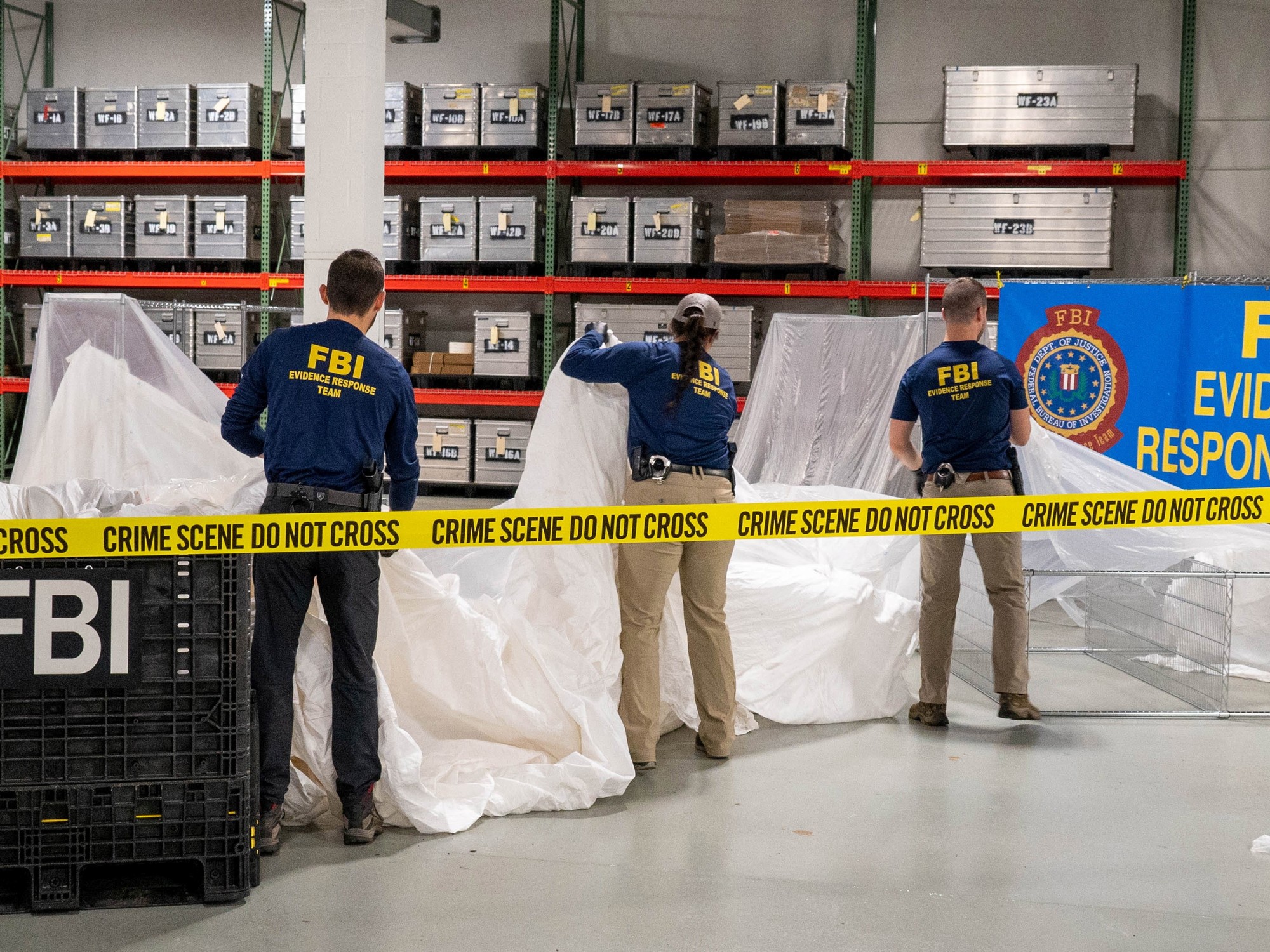
Recently, the FBI has witnessed a wave of firings, demotions, and unexplained suspensions among its ranks. This shake-up, largely orchestrated by Patel and his deputy, Dan Bongino, has instilled fear and uncertainty within the agency, prompting concerns over the motivations behind these personnel decisions.
In a bid to curb leaks, Patel has mandated polygraph tests for employees. This move has further fueled anxiety among agents, many of whom worry about their job security, especially if they have previously worked on investigations that have drawn criticism from Trump supporters.
Bongino has indicated that new teams focused on reform will soon be in place, promising a review of past investigations related to high-profile issues such as the 2022 Supreme Court leak and incidents surrounding the January 6 Capitol attack. However, it’s noteworthy that some of these cases fell outside the FBI's jurisdiction, raising questions about the intent behind revisiting them.
Insiders, speaking anonymously, have expressed concerns that the ongoing purges and staffing changes are meant to deter agents from pursuing cases that could displease Trump or his supporters. The recent dissolution of the FBI's elite public corruption unit in Washington, known for investigating Trump’s attempts to overturn the 2020 election, suggests that inquiries into Trump-related matters may be off-limits.
Additionally, there are indications that investigations involving high-ranking Trump officials may be stymied. These include cases where sensitive military details were allegedly discussed via non-secure messaging platforms, raising national security concerns.
The current leadership's purging of experienced personnel poses a risk to the agency’s institutional knowledge, as critical roles are vacated by seasoned agents. Recent retirements, particularly those of officials overseeing national security surveillance, have further complicated the situation.
Patel's administration has also placed several officials on paid administrative leave, including those involved in inquiries related to Hunter Biden’s laptop—a topic of ongoing Republican scrutiny. These actions have raised eyebrows about the politicization of the FBI, with critics claiming they reflect an agenda to reshape the agency into a tool for political ends.
The fate of various high-ranking female agents has also been troubling, with many receiving ultimatums to either relocate or retire. Reports have surfaced of agents being reassigned to less significant roles under duress, effectively forcing them out of their positions.
As the FBI navigates this turbulent period, the implications of Patel and Bongino’s leadership on the agency's integrity and operational effectiveness remain to be seen. The widespread introduction of polygraph testing and the reshuffling of key personnel signal a potentially profound shift in how the FBI operates under the current administration.
Source: www.clarin.com