A Three-Day Adventure in Zambia's Lower Zambezi National Park
By Editor • August 25, 2026 • 2 min read
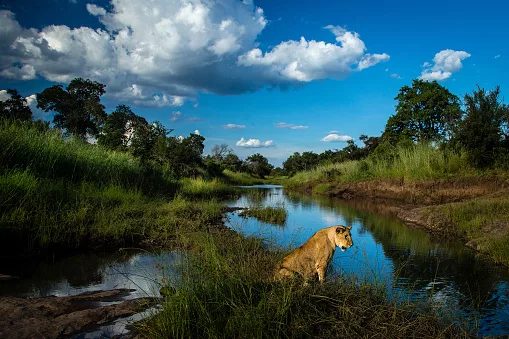
Lower Zambezi National Park in Zambia is a haven for wildlife enthusiasts, offering a unique blend of river and bush safari experiences. Spanning approximately 4,092 square kilometers, the park's diverse landscapes include riverine forests, floodplains, and open grasslands, which draw an array of wildlife, particularly in the dry season when animals congregate around the Zambezi River.
Visitors typically arrive from Lusaka, either by air to nearby airstrips or via road through Chirundu. Upon arrival, the best way to acclimate is with a leisurely afternoon beside the river, where the Zambezi's tranquil waters provide a stunning backdrop for wildlife viewing. As the day cools, a sunset cruise offers an ideal opportunity to witness elephants, hippos, and crocodiles in their natural habitat, reinforcing the river's vital role in sustaining these species.
On the second day, adventurers can embrace a canoe safari, an experience that allows for intimate encounters with the environment. Early mornings on the water offer a chance to observe the intricate details of the ecosystem, from birds and insects to larger mammals like elephants and buffalo. The guided canoe trips navigate the serene channels between islands, providing a quieter perspective on the park's rich wildlife.
The afternoon can be spent fishing, with the Zambezi renowned for its tigerfish and other species. Fishing is not just about the catch; it emphasizes the importance of sustainable practices and understanding the river as a living system. As the sun sets again, the river transforms, bringing heightened activity among the wildlife and offering a spectacular conclusion to the day's adventures.
The final day shifts focus from the river to the land, where guided walking safaris reveal the park’s diverse flora and fauna. On foot, guests can appreciate the smaller details of the ecosystem, such as animal tracks and plant life, while learning how various species interact with their environment. Walking through Lower Zambezi highlights the significance of the river in the ecological cycle, particularly during the dry season when wildlife depends on its resources.
The Zambezi River is not only a critical waterway for the park but also connects ecosystems across borders, linking Lower Zambezi with Zimbabwe’s Mana Pools National Park. This partnership emphasizes the importance of transboundary conservation efforts to protect the region's rich biodiversity.
A visit to Lower Zambezi National Park is about more than just spotting wildlife; it’s about connecting with the ecosystem as a whole. The majestic scenery, combined with the understanding of how the river sustains life within the park, makes this a rewarding and enriching experience for all who venture into its landscapes.
Source: www.getaway.co.za