Abdul El-Sayed Faces Controversy Over Hasan Piker's Remarks
By Editor • August 28, 2026 • 3 min read
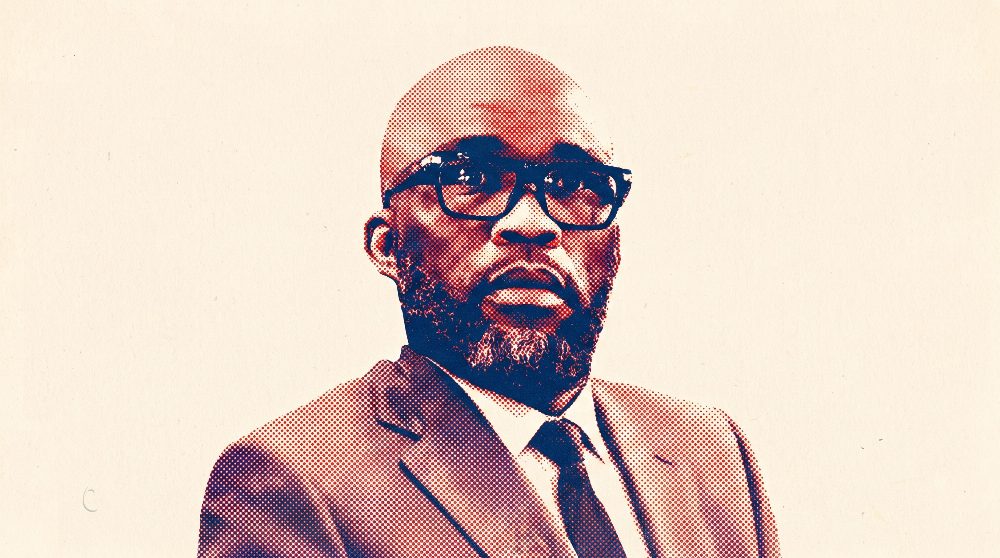
In a recent statement, Hasan Piker, the controversial Twitch streamer, issued a stark warning to Jewish Americans, suggesting that their strong identification with Israel could incite anti-Semitic violence against them. "If Jews in America keep putting this idea out there that they are singularly invested in Israel, eventually someone is going to come around and take action—not against the state of Israel, mind you, but against American Jews," he asserted. His remarks have drawn significant backlash, prompting several prominent Democrats, including Senator Elissa Slotkin and House Speaker Hakeem Jeffries, to denounce his comments as a thinly veiled anti-Semitic threat.
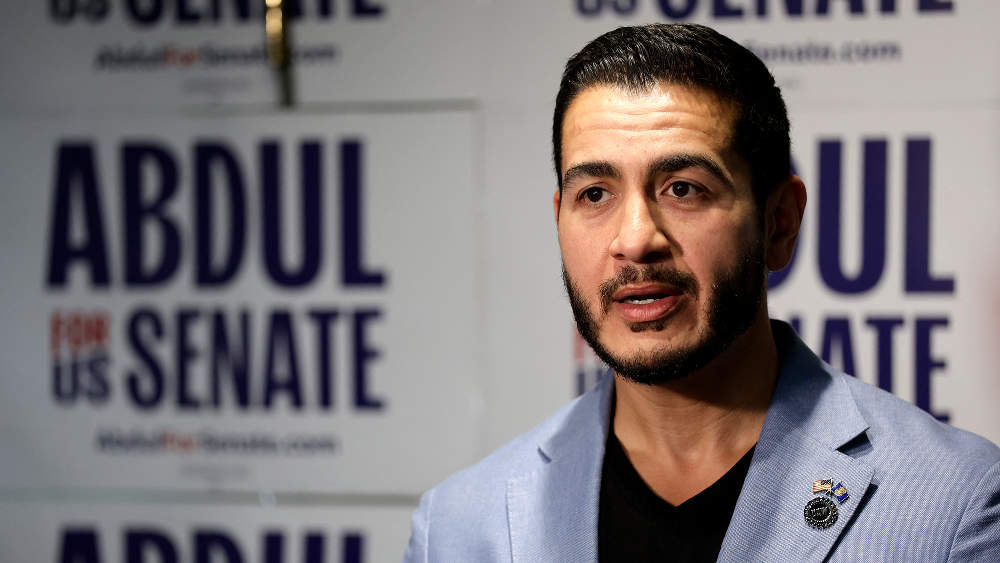
Democratic candidate Abdul El-Sayed, vying for a Senate seat in Michigan, took a more cautious approach in response to Piker's statements. While he condemned anti-Semitism and affirmed the right of all Americans to advocate for their beliefs, his statement stopped short of labeling Piker's comments as anti-Semitic. Instead, El-Sayed suggested that the focus on Piker was a distraction from the election. At a recent rally, he remarked, "The effort to make this race about a streamer in L.A. is actually kind of laughable," indicating a desire to shift the conversation back to his campaign.
The reactions from El-Sayed and other Democrats reflect a strategic decision to downplay Piker's influence as they navigate a close race that could determine control of the Senate. Representative Debbie Dingell emphasized that the focus should remain on El-Sayed's candidacy, dismissing further inquiries about Piker as irrelevant to the upcoming election.
However, Piker's connection to El-Sayed raises uncomfortable questions about the direction of the Democratic Party. While Piker's inflammatory remarks might be brushed off as the musings of an online personality, his association with El-Sayed complicates matters. With a history of controversial statements, including suggesting that "America deserved 9/11" and praising authoritarian figures like Mao Zedong, Piker's ideology has alarmed many, particularly within the Jewish community.
El-Sayed's willingness to campaign alongside Piker—who has become a notable surrogate for progressive candidates—highlights a growing rift within the Democratic Party. With the party facing the risk of losing its Senate seat in Michigan to Republican candidate Mike Rogers, who has shown unwavering support for Trump, Democrats are grappling with how to reconcile their values with the rising tide of left-wing anti-Semitism.
El-Sayed's platform, which intertwines populism with a critical stance on Zionism, poses a challenge for many traditional Democrats. His comments insinuating that any opposing views on Israel stem from financial motivations have further alienated some voters. Additionally, incidents of harassment and intimidation faced by Jewish Democrats in Michigan have raised alarms about the potential normalization of anti-Semitic rhetoric within the party.
As the election approaches, El-Sayed's campaign is entangled not just in a fight for a Senate seat, but also in a broader moral and political debate about the future of the Democratic Party. His ties to Piker and the implications of those ties raise significant concerns about the direction of the party and its stance on issues of anti-Semitism and identity politics.
Despite mounting pressure from his peers to distance himself from Piker, El-Sayed has remained defiant. He has compared Piker's situation to that of Joe Rogan, a controversial figure some Democrats have associated with, arguing that demands for him to renounce Piker are akin to a resurgence of "cancel culture." His reluctance to clarify his position has left many within the party questioning the implications of his potential victory and what it might mean for the Democratic Party's future.
Source: www.theatlantic.com
#Abdul El-Sayed #anti-Semitism #Democratic Party #Hasan Piker #Michigan Senate