Canada to Implement Retaliatory Tariffs Amid Deteriorating U.S. Trade Relations
By Editor • August 24, 2026 • 2 min read
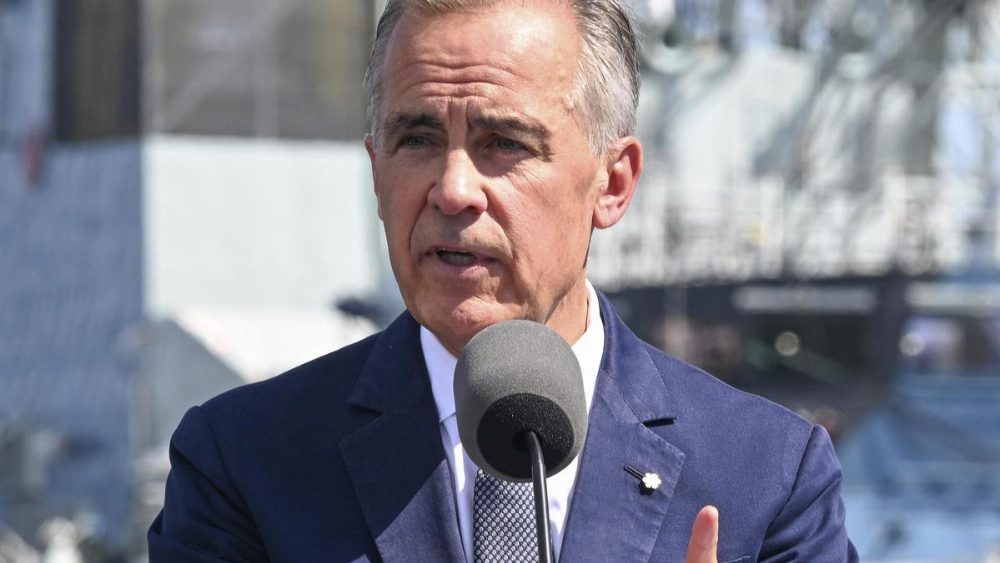
In a significant escalation of trade tensions, Canada has announced plans to impose retaliatory tariffs against the United States, set to be revealed on August 25, 2026. This decision comes in the wake of failed negotiations with the Trump administration, with both sides exchanging heated rhetoric.
Prime Minister Mark Carney, addressing the issue on August 24, indicated a shift in Canada's strategy, suggesting that instead of mirroring U.S. tariffs dollar for dollar, the country may opt for more targeted retaliatory measures designed to safeguard Canadian workers and industries.
The backdrop to this conflict includes President Donald Trump's recent threats of 50% tariffs on Canadian automobiles, auto parts, and steel, which he claims are necessary due to what he perceives as unfair trade practices. Trump asserted that Canada has been "ripping off" the U.S. with high tariffs on American goods, particularly agricultural products.
Carney criticized these U.S. trade demands as an attempt to undermine vital Canadian sectors, stating, "We learned during the negotiations that the Americans want to destroy our major industries, including autos, steel, and aluminium." He emphasized that such an attitude, which positions Canada as subordinate to U.S. interests, is unacceptable.
Relations between the two countries have reached a new low since Carney exited trade talks on August 21, prompting Trump to threaten tariffs affecting approximately $20 billion worth of Canadian exports. Carney expressed doubt regarding the U.S.'s reliability as a trading partner, noting that Canada is exploring more dependable partnerships globally.
In the midst of this escalating trade war, Ontario Premier Doug Ford has voiced strong support for Carney's stance, declaring that Canadians are prepared for economic hardship rather than capitulation to U.S. pressure. Ford stated, "We’re all in; we’re at a fever pitch; everyone’s in for an economic war." He also suggested that Ontario might consider drastic measures, including withholding electricity and critical minerals from the U.S. if the situation worsens.
Ford's comments reflect a growing consensus in Canada that the U.S. is not merely seeking a better trade deal, but rather aims to dismantle key Canadian industries. He cautioned that if Trump's tariffs take effect, it could severely impact the automotive sector, critical to Ontario's economy.
As the dispute intensifies, the potential ramifications for both nations loom large, particularly for the deeply intertwined automotive supply chain that spans the Canada-U.S. border. Major automakers, including Ford and General Motors, operate significant facilities in Ontario, and any tariffs could disrupt this complex production network.
U.S. Trade Representative Jamieson Greer weighed in, attributing Canada’s automotive industry success to historical agreements like the 1960s Auto Pact, which encouraged vehicle production in Canada. This perspective contrasts sharply with the Canadian viewpoint, which sees the current trade proposals as harmful to its industrial sovereignty.
Amidst this backdrop of escalating tensions, both leaders and citizens in Canada appear united in their resolve to confront the U.S. in this trade battle, signaling that the conflict is far from over.
Source: www.thehindu.com
#Canada #Donald Trump #Doug Ford #Mark Carney #tariffs #U.S. Trade