Ralph Bakshi's 1978 'The Lord of the Rings': A Bold Animated Journey
By Editor • August 15, 2026 • 3 min read
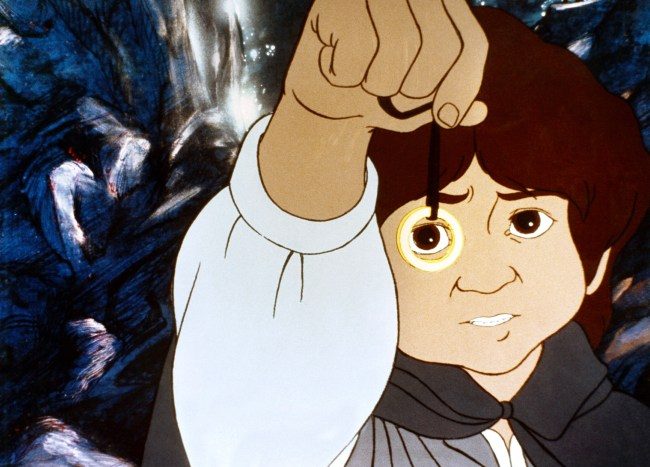
Ralph Bakshi's 1978 animated adaptation of J.R.R. Tolkien's 'The Lord of the Rings' stands as a striking testament to the director's audacious vision, even as it remains a somewhat unfinished cinematic endeavor. As part of IndieWire After Dark's midnight movie series, this installment pays homage to Bakshi's unique contributions to animation and cinema.
Bakshi, an innovator in the world of animation, had a profound impact on the genre, though not without facing numerous challenges. His career began at the age of 18 at Terrytoons, paving the way for a series of films that ranged from the commercially successful to the controversial. Following the success of 'Fritz the Cat' in 1972, Bakshi's works often straddled the line between mainstream acceptance and underground artistry, with films like 'Heavy Traffic' and 'Coonskin' gaining mixed receptions.
Despite the obstacles, Bakshi's influence on filmmakers is undeniable. Notable directors such as Peter Jackson and Quentin Tarantino have cited his works as pivotal in shaping their own cinematic journeys. Jackson, in particular, credited Bakshi's 'The Lord of the Rings' for introducing him to Tolkien's universe. This legacy of inspiration showcases Bakshi’s ability to transcend the limitations of his era, even as his films often lingered in obscurity.
When Bakshi learned that United Artists had scrapped a live-action adaptation of 'The Lord of the Rings,' he seized the opportunity to bring his vision to life. He initially planned a trilogy of animated films but ultimately settled on two parts to capture the expansive narrative. The result was a visually eclectic film that combined traditional animation, rotoscoping, and even live-action footage, reflecting Bakshi's commitment to creating an immersive experience.
However, the film's release was marred by a lack of clarity regarding its sequel. The studio's decision to drop 'Part One' from the title left many viewers unaware of Bakshi's intention to continue the story. Consequently, audiences were left hanging after the climactic Battle of Helm's Deep, and the anticipated follow-up never materialized. This unfortunate fate turned Bakshi's adaptation into one of cinema's most notable unfinished projects, lingering between Rankin/Bass's earlier animated 'The Hobbit' and their later 'The Return of the King.'
Despite this, Bakshi's film remains a significant cultural artifact. It showcases a darker, more complex Middle-earth that contrasts sharply with the innocence of Rankin/Bass's versions. While those earlier adaptations offered a child-friendly experience, Bakshi's approach introduced elements of danger and moral ambiguity, reflecting his vision of Tolkien's work as a serious narrative rather than merely a children's tale.
As Bakshi himself noted, he aimed to create a version of 'The Lord of the Rings' that eschewed songs designed merely for commercial appeal, striving instead for authenticity and depth. This fierce dedication to his artistic principles, despite the compromises he faced, has solidified his position as a unique voice in animation.
In retrospect, Bakshi's 'The Lord of the Rings' may not have achieved the mainstream success of later adaptations, but its legacy is profound. It invites viewers into a fantastical realm marked by Bakshi's distinctive style and narrative ambition, making it a vital part of the animated canon.
Source: www.indiewire.com
#animation #cult classic #Ralph Bakshi #The Lord of the Rings #Tolkien