Disney and ABC Challenge FCC Over Free Speech Rights
By Editor • August 19, 2026 • 2 min read
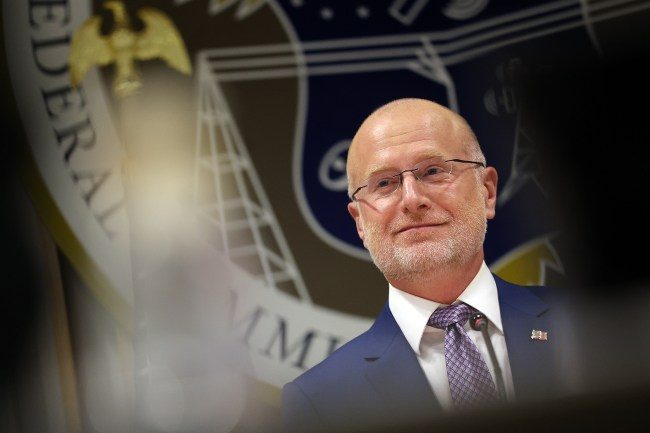
In a bold move that underscores tensions between Hollywood and the federal government, Disney and ABC have filed a lawsuit against the Federal Communications Commission (FCC). The lawsuit, initiated on Tuesday, accuses the FCC of infringing on ABC's First Amendment rights due to what the network describes as retaliatory actions stemming from the agency's disapproval of its programming.
The suit primarily targets FCC Chairman Brendan Carr, who has recently suggested an early renewal process for ABC's broadcast licenses connected to its eight affiliate stations. The potential revocation of these licenses poses a significant threat to ABC's operations, as losing them could result in local stations being forced off the air.
ABC's complaint highlights that the FCC's actions are an attempt to suppress its editorial voice. The lawsuit reads, “With the threat of non-renewal or revocation of its Stations’ broadcast licenses on the line, ABC cannot ignore the consequences of any decision that might anger the Administration or the FCC Chairman.” It further warns that such intimidation tactics could send a chilling message to all media companies, implying that they must conform to governmental expectations or face severe repercussions.
Legal expert Ray Seilie from Kinsella Holley Iser Kump Steinsapir (KHIKS) views Disney's lawsuit as a calculated risk. He argues that a favorable ruling could relieve Disney from FCC scrutiny while simultaneously framing the company as a champion of free speech. Conversely, if the lawsuit fails, Disney may still have grounds to take further legal action against the FCC, prolonging the conflict.
The roots of this legal battle can be traced back to a controversial incident involving comedian Jimmy Kimmel, whose joke about a political figure led to backlash from the Trump administration. Following this, President Trump publicly criticized ABC for its programming decisions, including the network's refusal to air one of his primetime addresses.
In its defense, the FCC claims its scrutiny of Disney's practices relates to allegations of illegal diversity, equity, and inclusion (DEI) discrimination. However, ABC's lawsuit characterizes this investigation as a mere facade designed to undermine the network's broadcasting capabilities.
Commissioner Anna M. Gomez, the sole Democrat on the FCC, has publicly supported Disney's lawsuit, calling it a courageous stand against perceived government censorship. She expressed hope that this legal challenge might mark a turning point against the administration's alleged overreach and disregard for constitutional rights.
Historically, broadcasters have often taken legal action against the FCC regarding free speech issues, with mixed outcomes. Disney's current lawsuit may echo past battles over broadcasting rights, but it also aims to set a new precedent regarding the protection of editorial independence in the face of political pressure.
As the legal proceedings unfold, the implications reach beyond Disney and ABC, potentially influencing how federal agencies interact with media outlets in the future. The outcome could either reaffirm the FCC's regulatory authority or challenge the boundaries of governmental influence over public discourse.
Source: www.indiewire.com