Ebola Outbreak in DRC: A Battle Against Misinformation and Mistrust
By Editor • August 28, 2026 • 2 min read
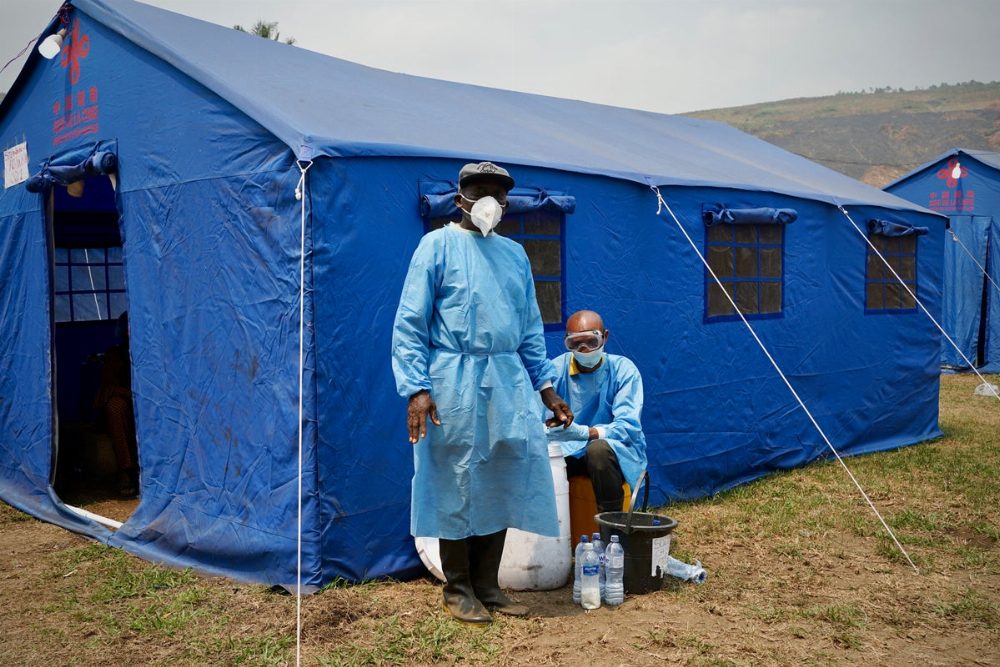
As the Ebola outbreak in the Democratic Republic of Congo (DRC) surpasses 2,500 fatalities, the fight against the virus is intertwined with a more insidious enemy: misinformation and a profound lack of trust. Red Cross volunteers are on the front lines, reaching over 100,000 people, but their efforts are hampered by fear and skepticism within the communities they serve.
Trust is crucial in managing a health crisis, yet many individuals are hesitant to seek medical treatment or adhere to public health directives due to rampant misinformation. This mistrust is palpable; reports indicate that some community members refuse to accept the existence of Ebola, flee treatment facilities, and reject safe burial practices. Such actions not only jeopardize their own health but also compromise the safety of their families and neighbors.
Tragically, this climate of mistrust has resulted in violence against health workers, including attacks on those conducting safe burials. With 12 Red Cross colleagues injured and ambulances damaged, the repercussions of distrust are evident. The culture of fear surrounding the handling of deceased individuals further complicates the situation, as mourning rituals clash with the necessary health precautions.
Past experiences from the 2018 outbreak inform current strategies, as Red Cross volunteers deploy community-driven initiatives, including outreach programs and radio discussions. By adapting their approach based on community feedback, they have begun using transparent body bags to allow families to see their deceased loved ones, fostering a sense of trust and facilitating the grieving process.
The DRC's Red Cross volunteers face immense risks, having already lost three colleagues to Ebola. Their dedication emphasizes the importance of local engagement in crisis resolution. However, dwindling aid funds have strained their efforts, limiting the healthcare system's ability to respond effectively and further eroding trust in authorities.
To combat this crisis, collaboration is essential. Governments and technology companies must prioritize the dissemination of reliable information, while humanitarian organizations need to engage with communities to address harmful narratives. Building trust is a long-term investment, requiring sincerity and patience, but it is vital for saving lives in the ongoing battle against Ebola.
Source: www.independent.co.uk