Electric Air Taxis Take Flight: Industry Consolidation and New Ventures
By Editor • August 16, 2026 • 2 min read
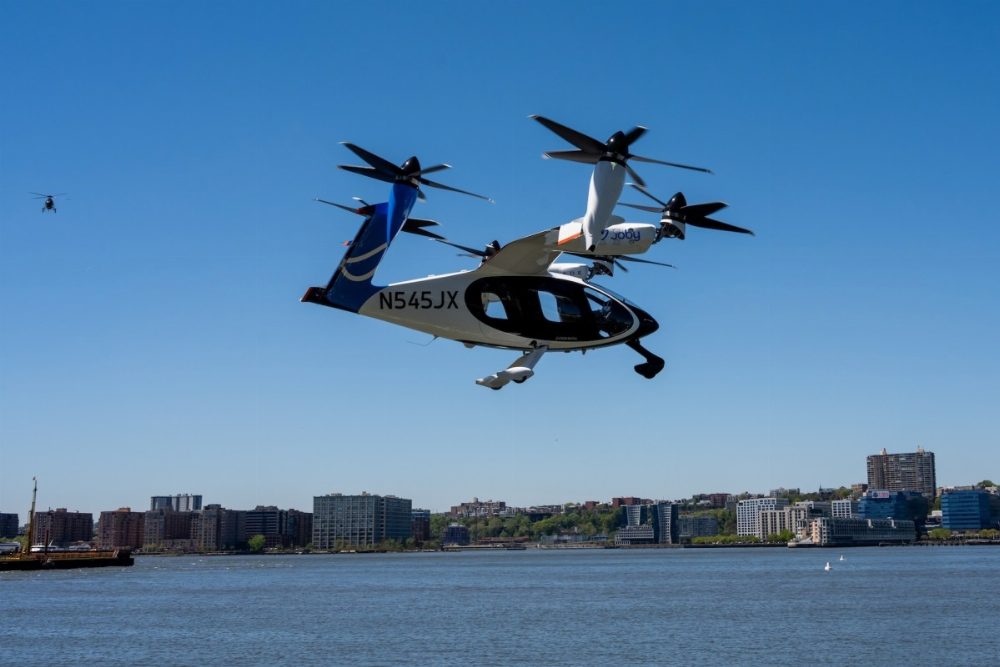
The electric vertical takeoff and landing (eVTOL) sector is buzzing with activity, as two significant deals highlight the industry's rapid evolution. Archer Aviation has made headlines by acquiring Wisk Aero, a former competitor, in a surprising turn of events that underscores the consolidation trend within the industry.
This acquisition marks a dramatic shift for both companies. Boeing, which owned Wisk Aero, sold the company along with two subsidiaries, SkyGrid and Insitu, to Archer. In return, Boeing secured a 16.5% stake in Archer, illustrating a strategic partnership forged from past rivalries. Notably, the deal comes after Wisk had previously sued Archer for allegedly stealing proprietary information, a lawsuit that was settled after two years of legal battles.
Wisk's journey has been tumultuous. Initially launched as Kitty Hawk, the venture was backed by tech giants like Google co-founder Larry Page. Following its shutdown in September 2022, the remnants of Kitty Hawk evolved into Wisk Aero, focusing on the creation of air taxis.
In a more conventional move, Joby Aviation announced its acquisition of Resonant Sciences for $500 million, marking its entry into the defense sector. Joby, which has been gradually diversifying its portfolio, aims to leverage Resonant's expertise in radio frequency and sensor systems to establish a new division, Joby Defense. This move aligns with Joby’s ongoing mission to develop urban air taxis while tapping into lucrative defense contracts.
Meanwhile, Uber, traditionally focused on autonomous vehicle partnerships, took a different route by divesting its entire stake in Serve Robotics, a company specializing in autonomous delivery robots. This unexpected sell-off caught Serve Robotics off guard, as they learned about it only through Uber's regulatory filing. Despite the separation, the two companies maintain a business partnership that supports Serve's robots within Uber Eats until their contract expires in 2027.
Other notable developments in the electric mobility landscape include Yulu's successful Series C funding round, which raised $93 million to expand its operations. Additionally, Aurora Innovation and Kodiak AI received permits to test their self-driving trucks on California roads, further advancing autonomous vehicle technology.
On the operational front, Avride has reached a milestone of over 100,000 autonomous rides via the Uber app in Dallas, although a human safety operator is still present in the vehicles. This achievement reflects the growing acceptance and integration of autonomous technologies in everyday transportation.
In a separate incident, Delta Air Lines is investigating a cybersecurity breach involving a fake Wi-Fi network set up by a passenger during a flight, prompting pilots to alert air traffic control. This highlights the ongoing challenges airlines face in ensuring passenger safety and security.
Lastly, Waymo is expanding its operations in California after receiving approval for a commercial ride-hailing permit, allowing its robotaxis to operate in a broader area, including potential expansions into Sacramento and San Diego.
Source: techcrunch.com
#Archer Aviation #electric air taxis #eVTOL #Joby Aviation #Wisk Aero