FTC and 22 States Take Legal Action Against Amazon Over Alleged Ad Price Manipulation
By Editor • August 31, 2026 • 1 min read
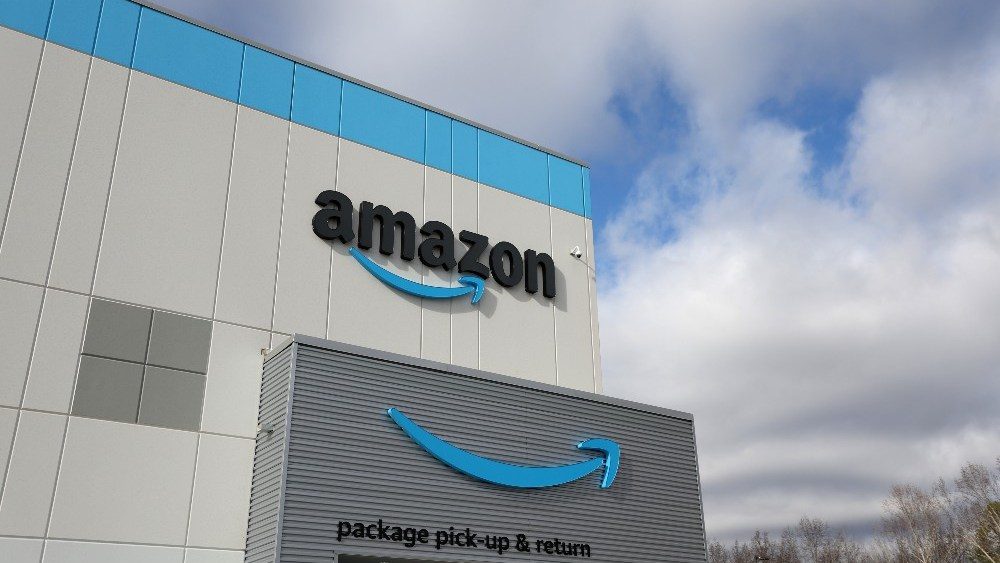
The Federal Trade Commission (FTC), along with 22 states, has launched a lawsuit against Amazon, accusing the retail giant of secretly inflating advertising costs for sellers on its platform. This legal action, filed in a Seattle federal court, claims that Amazon has engaged in deceptive practices that have financially impacted over a million businesses that utilize its advertising services.
According to the FTC, Amazon has substantially increased advertising prices over a seven-year period, generating excess revenue potentially amounting to tens of billions of dollars. FTC Chairman Andrew N. Ferguson emphasized the profound consequences of such actions, stating, "When one of the world’s largest online retailers engages in unfair and deceptive conduct, the impact can be staggering."
The lawsuit highlights how more than 50,000 small and medium-sized businesses were misled by Amazon's advertising practices, particularly in auction formats for Sponsored Product and Display Ads. The complaint asserts that Amazon misrepresented its auction system, claiming to employ a “second price” auction model, where the winning bidder pays just one cent above the next highest bid. However, the FTC alleges that nearly 80 percent of the time, winners are charged their own full bids, effectively turning the system into a first-price auction instead.
Internal Amazon documents referenced in the lawsuit reveal that the company made undisclosed changes to its auction rules in 2019, introducing a so-called “soft reserve price” that inflated costs without informing advertisers. Moreover, the complaint cites an internal memo suggesting Amazon created fictitious auction participants to artificially raise ad prices. This strategy, as noted in correspondence from Amazon executives, was described as an “incredibly effective way” to boost revenue.
As a result, advertising costs have surged, particularly during peak shopping seasons like Prime Day and Black Friday, raising concerns about the trust between Amazon and its advertisers.
Source: wwd.com