Geography's Role in Shaping Urban Life Across African Cities
By Editor • August 26, 2026 • 2 min read
African cities are not merely defined by their urban structures; their landscapes play a vital role in shaping everyday life. From rivers and lakes to hills and wetlands, the geographical features of these cities influence their development, culture, and daily activities.
Take Jinja, Uganda, for instance. This vibrant city, nestled beside Lake Victoria and the Nile River, thrives on its water-based identity. Jinja is renowned for its adventure tourism, with activities like rafting and bungee jumping drawing thrill-seekers from afar. However, the significance of water in Jinja extends beyond recreation; it has historically served as a crucial transportation route and a source of hydroelectric power, making it an essential part of the city’s economic landscape.
Similarly, Kisumu in Kenya exemplifies how a city can be intricately woven into its aquatic environment. The northeastern shore of Lake Victoria transforms Kisumu into a bustling hub for fishing, transport, and entertainment. The waterfront is not merely a scenic spot; it is a dynamic space that supports local livelihoods while providing a backdrop for relaxation and leisure activities.
Moving to Kigali, Rwanda’s capital, the city’s topography is characterized by its hills and wetlands. This unique landscape shapes urban infrastructure and daily movement, with steep roads and lush valleys creating a distinctive urban experience. Kigali has also prioritized wetland restoration, recognizing these areas as critical for flood management and ecological health. Such initiatives not only enhance the city’s green spaces but also promote outdoor recreation opportunities for residents.
In Ethiopia, Addis Ababa is defined by its location in the highlands, beneath the Entoto Mountains. The city has integrated this natural setting into its urban life, with parks and public spaces that encourage outdoor activities. Recent developments, such as the restoration of riverside areas, further blend nature with urban living, showcasing how the landscape can enhance the quality of life for city dwellers.
Eswatini's capital, Mbabane, boasts a dramatic mountain backdrop that shapes its character. The city's layout follows the contours of the surrounding Mdzimba Mountains, creating a green and varied environment. This connection to nature is evident in the city’s climate and outdoor appeal, making it a unique destination that merges urban and natural experiences.
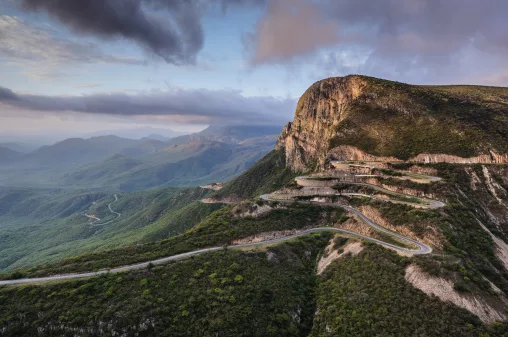
Finally, Lubango in Angola presents a striking highland cityscape at 1,700 meters above sea level. Bordered by dramatic escarpments, Lubango's geography affects everything from its cooler climate to its agricultural practices. The nearby Tundavala Rift is a testament to the region's geological beauty, adding to the city’s allure and cultural significance.
Across these cities, landscapes are not mere backdrops; they are integral to their identity and functionality. From economic activities to recreational spaces, the interplay between geography and urban life in Africa reveals a rich tapestry of experiences that define these vibrant locales.
Source: www.getaway.co.za