Healthcare Workers Mobilize Against Workplace Violence Amid Staffing Crises
By Editor • August 20, 2026 • 3 min read
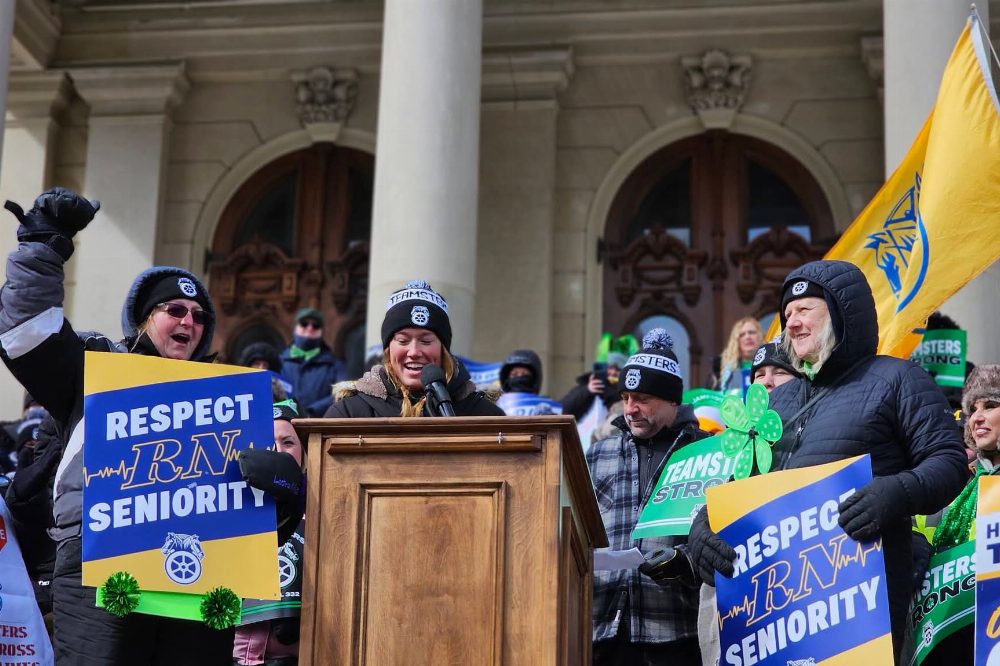
The healthcare industry is facing an alarming trend of violence against its workers, leading to widespread strikes across the United States. As healthcare professionals grapple with the dual challenges of safety and staffing shortages, the situation has escalated into a national crisis.
Crystal Dhooghe, a nurse at Henry Ford Genesys Hospital in Michigan, has witnessed firsthand the troubling rise in violence against medical staff. "I’ve seen nurses get shoved, pushed, scratched. The biggest one is bitten," Dhooghe recounted, highlighting the unsettling experiences of her colleagues. Strikes have emerged in states like Louisiana, New York, Pennsylvania, Rhode Island, and Michigan, with many workers, including Dhooghe, taking to the picket lines since Labor Day last year.
Despite the risks, Dhooghe continues to work, relying on strike benefits and additional shifts at other hospitals. However, she notes that the violence is pervasive across the healthcare system. "It’s the same everywhere I go," she lamented.
In response to the growing outcry, Henry Ford Health has acknowledged the issue, referring to it as a "national epidemic." Their spokesperson, Dana Jay, emphasized the organization’s commitment to safety through measures such as metal detectors and trained armed security. However, Jay contends that the ongoing strike is primarily an economic issue rather than one centered on safety.
The statistics paint a stark picture: hospital workers are seven times more likely to suffer injuries from violent incidents compared to the general workforce, according to the Bureau of Labor Statistics. This alarming reality has intensified the demands from healthcare workers for better pay and adequate staffing, creating friction with hospital administrations that are under pressure to manage costs.
Rachel Odes, a nursing professor at the University of Wisconsin-Madison, describes emergency rooms as "a powder keg," underscoring the unpredictability of violent outbursts from patients. These incidents, often referred to as a "code gray," can occur suddenly, particularly in environments where staff are overstretched and inadequately prepared.
Andrew Kimball-Mirzaie, a mental health worker at Butler Hospital in Rhode Island, shared his own traumatic experience when a patient assaulted him. After suffering a concussion and a broken nose during the incident, he joined over 700 unionized workers in a three-month strike that resulted in wage increases and enhanced support for those injured on the job. However, even after these victories, safety concerns persist, exemplified by a recent incident where a patient in the ER injured multiple staff members.
The American Hospital Association has been advocating for stricter penalties for assaults on healthcare workers, pushing for federal legislation that would make such attacks punishable by up to 10 years in prison. While 45 states have enacted similar laws, experts question their effectiveness in reducing workplace violence.
Calls for "safe staffing" ratios continue to resonate among striking healthcare workers, with many advocating for better training and adequate staffing levels instead of solely focusing on punitive measures against patients. Although the Joint Commission has introduced new standards requiring hospitals to meet staffing and training benchmarks, a federal mandate on nurse staffing ratios has yet to be established.
In contrast, states like California have implemented nurse staffing ratios linked to improved patient outcomes. Nevertheless, the American Hospital Association remains opposed, arguing that such regulations could exacerbate staffing shortages and limit patient care. As healthcare workers push for change, the debate over how best to ensure safety and adequate care continues to unfold.
Source: kffhealthnews.org
#healthcare #hospital strikes #nurses #staffing shortages #workplace violence