Inside the Courtroom: Women Drawn to the Lindsay Clancy Trial
By Editor • August 31, 2026 • 3 min read

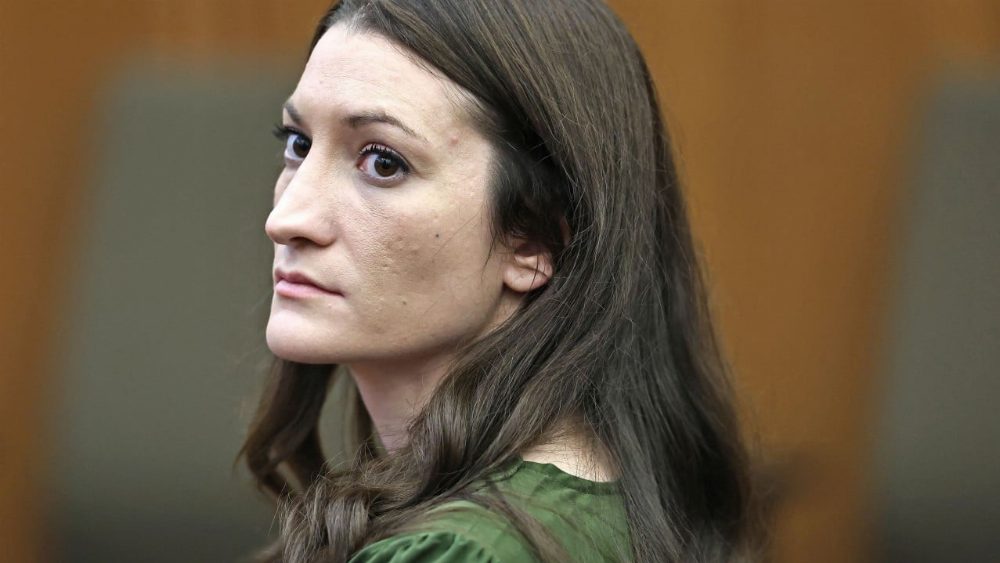
In a Plymouth courtroom, a compelling scene unfolded as women flocked to witness the trial of Lindsay Clancy, a former nurse charged with the tragic deaths of her three young children. Onlookers filled the benches, their eyes fixated on Clancy, who was brought in on a wheelchair after a harrowing suicide attempt that left her paralyzed.
The atmosphere was charged with emotion as women scribbled notes, seeking to unravel the complex motivations behind Clancy's actions. "WHY," one attendee, Marta Quijano, wrote, echoing the collective confusion and horror surrounding the case. Clancy admitted to strangling her children before attempting to take her own life in January 2023, a moment that many in the courtroom found unfathomable.
The trial has sparked a national conversation, reminiscent of other high-profile cases where mothers have faced the ultimate scrutiny. From Susan Smith's drowning of her children to Andrea Yates' tragic struggles with mental health, America's fascination with these cases reveals a deeper societal narrative about motherhood, mental illness, and accountability. Each woman in the courtroom carried her own story, drawn by a mix of empathy and a desire to understand a tragedy that felt disturbingly close to home.
As the jury of nine women and three men prepared to deliberate on Clancy's fate—whether she was criminally responsible or not guilty by reason of insanity—prosecutors painted a picture of a woman whose premeditated actions stemmed from a controlling personality and despair over her worsening mental health. Meanwhile, the defense argued that Clancy was a mother who sought help for her intense struggles with depression, anxiety, and insomnia.
Witness testimonies revealed Clancy's extensive efforts to seek treatment, having seen her psychiatrist fourteen times and experimented with multiple medications. Yet, she slipped into postpartum psychosis, a condition that can cause severe hallucinations and delusions, which she claimed led her to hear a voice instructing her to harm her children. The complexities of her mental health struggles struck a chord with many in the audience.
As the trial progressed, the number of women attending swelled, with some traveling significant distances just to be present. They weren’t just spectators; they were there to connect with a story that resonated on a personal level. The courtroom swelled with voices sharing their own experiences, reflections on motherhood, and the dark corners of mental health. One woman, Dottie Kiley, shared her own battle with suicidal thoughts, illustrating how easily anyone could find themselves in distressing situations.
During breaks in the trial, women engaged in conversations about their own struggles, with shared stories of anxiety and depression surfacing amidst the courtroom’s proceedings. "She could be any one of us," one attendee reflected, emphasizing the universal nature of Clancy's plight.
The prosecution's case hinged on the assertion that Clancy made a conscious decision to kill her children to spare them from a life without her—a theory known as 'altruistic filicide.' As the trial neared its conclusion, the women present continued to seek answers, grappling with the horror of the situation while reflecting on their own mental health journeys.
The trial has not only captivated those within the courtroom but has also ignited discussions beyond the confines of the legal system. As the verdict looms, the women waiting outside and inside the courthouse represent a collective yearning for understanding, compassion, and ultimately, justice in a case that has shaken the fabric of community and motherhood.
Source: www.theatlantic.com
#courtroom #Lindsay Clancy #mental health #motherhood #trial