Migration Policy in Turmoil: Coalition, Labor, and One Nation Clash
By Editor • August 27, 2026 • 2 min read
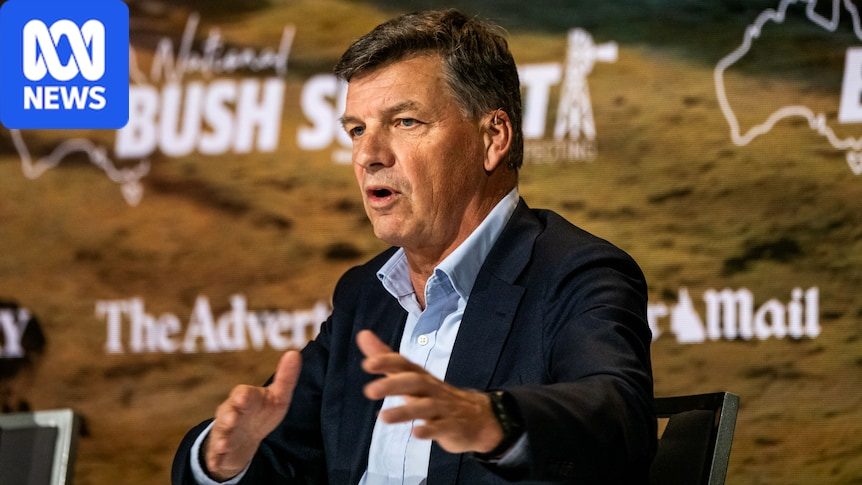
The Australian political landscape is currently embroiled in a heated debate over migration policy, as the Coalition, Labor, and One Nation grapple with differing views on how to manage the country's humanitarian visa program. Senior Coalition figures are divided on whether to reduce the number of humanitarian visas, leading to confusion and contention within the party.
Angus Taylor, a prominent member of the Coalition, has signaled a potential shift, suggesting that cuts to the humanitarian visa program could be on the table to manage immigration rates. Taylor remarked, "charity starts at home," indicating a prioritization of domestic housing needs over international obligations. This stance contrasts sharply with comments from Shadow Housing Minister Andrew Bragg, who previously stated that refugees would not be targeted in any migration policy adjustments.
The Coalition's internal strife mirrors the broader turmoil within the political sphere, as both Labor and One Nation also navigate their positions on migration. Prime Minister Anthony Albanese recently intervened to maintain the humanitarian visa intake at 20,000 places, reversing a plan that would have seen it reduced to 13,750. This decision has frustrated some members of the Labor party, who feel the government is compromising too much on asylum seeker policies.
Adding to the complexity, One Nation leader Pauline Hanson has been clarifying her party's migration strategy after a junior MP's comments suggested that their plans would lead to migration levels comparable to those proposed by Labor. While Hanson asserts that One Nation aims for a net migration target of 130,000, she acknowledged that actual figures may exceed this due to uncounted Pacific worker visas.
As the debate unfolds, critics have raised alarms about the potential impacts of any migration cuts on various sectors. Business groups warn that reducing skilled migration could worsen existing labor shortages, while farmers emphasize the importance of retaining working holiday-maker and Pacific Australia Labour Mobility visas to sustain their workforce. Universities have also expressed concerns that cutting international student visas would jeopardize the sector and diminish the supply of skilled workers.
Despite the conflicting narratives, all three parties appear committed to some form of migration reduction, though none have laid out a clear plan. The Coalition is expected to announce a more comprehensive migration policy closer to the next election, while One Nation has indicated a desire to cut student and temporary graduate visas without specifying how extensive those cuts will be.
In the backdrop of this political drama, the Australian public remains keenly aware of migration as a critical issue, influencing voter sentiment and party popularity. As the government, opposition, and One Nation continue to navigate this contentious territory, the future of Australia's migration policy hangs in the balance.
Source: www.abc.net.au
#Coalition #humanitarian visas #Labor #migration #One Nation