Navigating Carnival Collaborations: A Guide for Brands
By Editor • August 26, 2026 • 3 min read
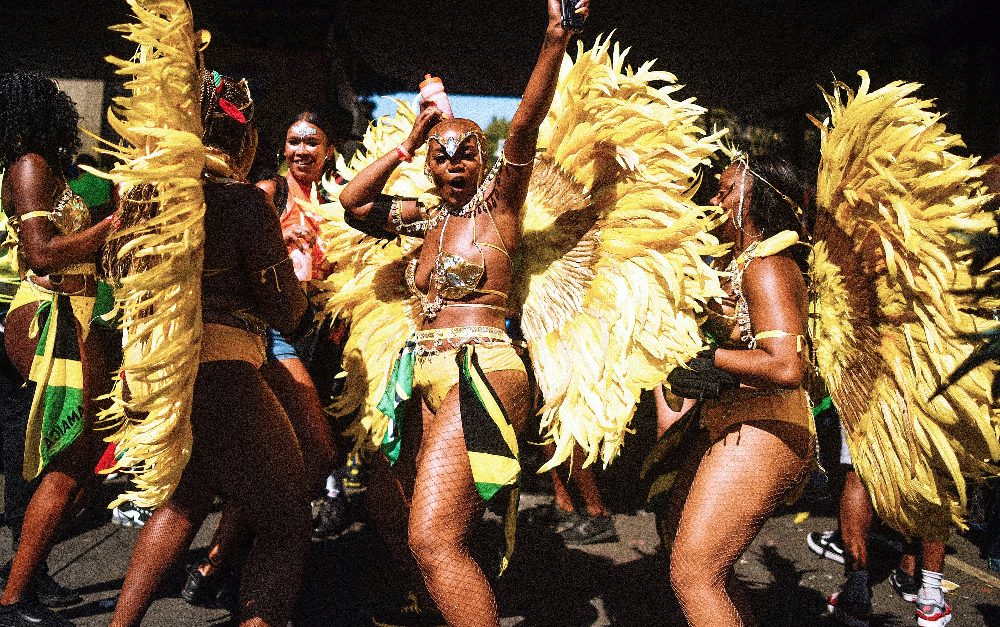
As the Notting Hill Carnival approaches on August 30-31, the vibrant streets of West London will soon be filled with revelers, sound systems, and the unmistakable energy that defines this cultural celebration. However, amidst the festivities, brand logos will pop up, sparking a crucial conversation about the appropriateness and impact of corporate involvement in such events.
Similar inquiries arise with global celebrations like the Fête de La Musique, which has evolved from its Parisian roots since 1982, and the iconic Rio Carnival. Each of these festivals connects deeply with the Black diaspora, demanding that brands engage with respect and awareness, prioritizing cultural authenticity over mere marketing.
The economic implications of the Notting Hill Carnival are significant, with a reported direct impact exceeding £396 million annually, according to research commissioned by The Voice. The Mayor of London recently allocated an additional £4.66 million to ensure the carnival can accommodate the growing crowds, which have swelled to between one and two million attendees in recent years. The 2025 carnival featured an impressive lineup, including 36 sound systems and 48 mas bands, attracting notable brands like Adidas, Puma, and Converse.
This year, leading up to the 2026 carnival, Caymanian-Jamaican designer Jawara Alleyne is set to launch a playlist and capsule collection inspired by Carnival’s vibrant spirit. Alleyne emphasizes that his work is not just about drawing inspiration from Carnival, but rather acknowledging how it has shaped his perspective and style.
For brands looking to make a meaningful impact, the key lies in their approach. Hari Blanch Bennett, a creative strategy expert at Kantar, notes that successful brands position themselves as supporters of cultural events. Puma’s collaboration in 2025 with historic sound systems showcased this strategy, featuring performances and community workshops in preparation for the festivities.
However, experts caution against overt commercialization that can alienate the very communities these events celebrate. Sophie Borelly from On Road highlights that brands need to prioritize genuine contributions over mere visibility. She stresses the importance of helping to broaden access to cultural experiences, particularly for younger audiences, rather than just enhancing their own brand image.
Brands like Converse, which have collaborated with Alleyne, exemplify how to integrate authentically into the Carnival landscape. Alleyne mentions that working with Converse allows for a seamless partnership where the focus is on supporting community efforts rather than pushing corporate agendas.
As brands navigate this delicate terrain, the importance of authenticity cannot be overstated. Angelo Baque, founder of Awake NY, points out that Gen Z consumers are particularly adept at detecting insincerity. Awake NY’s upcoming presence at Carnival, in partnership with Jordan, is designed to be more than just brand exposure; it includes funding for local sound systems and distributing free T-shirts to ensure genuine cultural integration.
Finally, measuring success in these engagements goes beyond digital metrics. William Dickson from NTS Radio emphasizes the value of real-life interactions as the paramount metric for assessing brand initiatives during events like Fête de La Musique, highlighting a shift towards community-centric marketing strategies that resonate with audiences.
Source: www.vogue.com
#Awake NY #brand collaboration #cultural engagement #Fête de La Musique #Notting Hill Carnival #PUMA