Navigating Tensions: Who Really Controls the Strait of Hormuz?
By Editor • August 20, 2026 • 3 min read
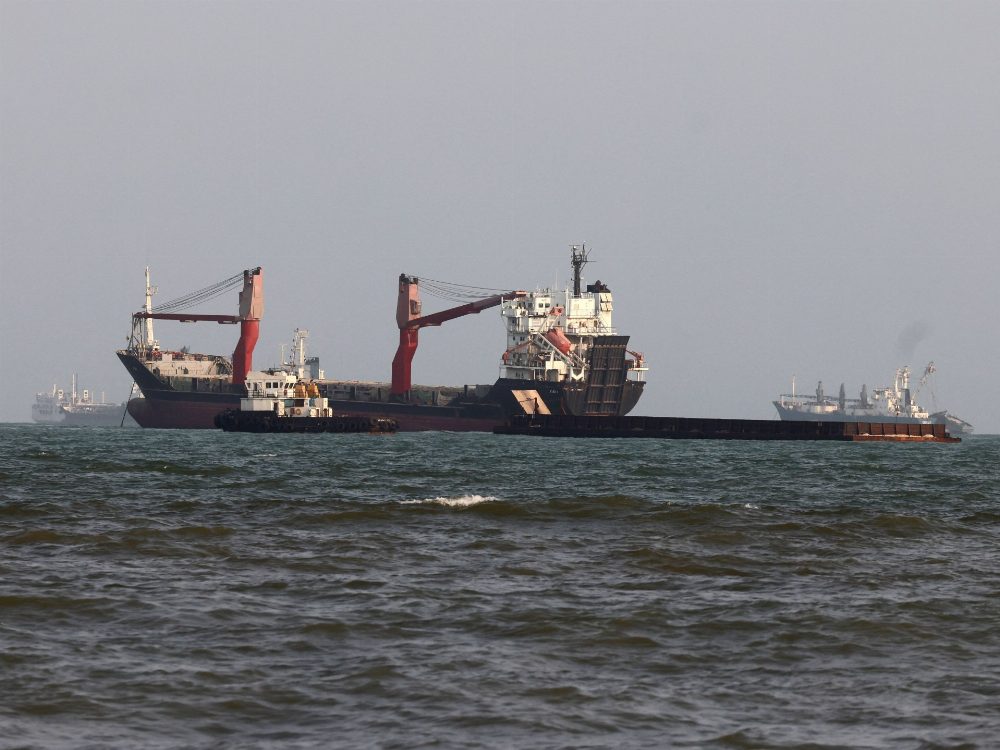
The ongoing tensions between the US and Iran have transformed the dynamics of maritime navigation through the strategically vital Strait of Hormuz. While President Donald Trump maintains that the US military controls this key waterway, recent data reveals a more complex reality.
Amid conflicting statements from both nations, the Strait of Hormuz has evolved into a contested space divided into two primary routes: the northern Iranian route, favored by Tehran, and the southern Omani route, preferred by Washington. The situation has led to a significant increase in the number of vessels opting for obscure or 'dark' routes, complicating any clear understanding of who truly governs the strait.
Between August 1 and August 19, maritime intelligence firm Kpler reported that 236 ships traversed the Strait of Hormuz, with a significant portion—over 60 percent—taking unclassified paths. Specifically, 112 of these vessels were involved in carrying crude oil, liquefied petroleum gas (LPG), and liquefied natural gas (LNG), with only a small fraction publicly adhering to the Omani route.
According to Kpler, 83 ships openly used the Iranian route, while a mere three vessels opted for the Omani lane. The majority, 148 ships, went dark or followed undetermined paths, signaling a growing trend among operators to evade detection amid rising military threats from both Iran and the US. This tactic involves turning off the Automatic Identification System (AIS) transponders, which has raised concerns about maritime safety and transparency.
As tensions escalated, both nations have resorted to military action against vessels they accuse of breaching navigation rules. The United Arab Emirates recently accused Iran of attacking an ADNOC-owned tanker, while the US has fired upon ships it claims are violating its naval blockade. The stakes are high for shipping operators, who must weigh the risks of military engagement against the need for commercial transit.
Experts suggest that the current situation has led to innovative strategies among shipping companies. For example, some vessels are reportedly conducting ship-to-ship transfers mid-route while their transponders are turned off. This allows them to bypass Iranian missile threats by utilizing the Omani route, only to transfer cargo to another ship that can safely complete the journey.
Interestingly, despite the looming threat of US military intervention, the data indicates that operators are still willing to navigate through the Iranian route. Approximately 21 vessels openly chose this path, which rises to 35 percent when including all types of vessels in transit. In stark contrast, only four ships in total chose to navigate the route prescribed by Oman.
Analysts conclude that the fear of potential repercussions from Tehran appears to outweigh the threats posed by the US. "Iran is not losing control in the current status quo," noted energy policy researcher Marc Ayoub, highlighting that Iran’s capacity to influence maritime traffic remains significant.
While the US aims to assert dominance over the strait, the behaviors of commercial vessels suggest a reluctance to fully comply with Washington's directives. As the conflict continues, the future of maritime navigation through the Strait of Hormuz hangs in a precarious balance, with the potential to disrupt global oil markets significantly.
Source: www.aljazeera.com
#Iran #maritime traffic #shipping routes #Strait of Hormuz #US Navy