Navigating the Digital Disconnect: A Deep Dive into the Scrolling Backlash
By Editor • August 28, 2026 • 3 min read
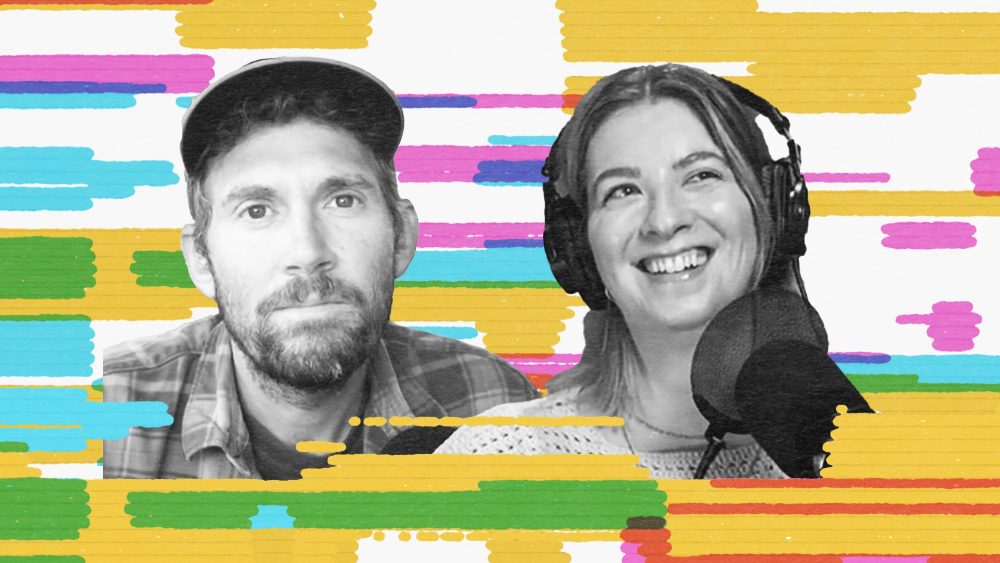
In an age dominated by smartphones and social media, many individuals are grappling with a profound sense of disillusionment towards technology. This sentiment has sparked a growing movement aimed at reassessing how we interact with our devices. Julie Beck, a staff writer for The Atlantic, has explored this phenomenon through her recent podcast series, 'How to Touch Grass,' where she delves into the changing dynamics of our relationship with technology.
During a conversation with Charlie Warzel on his podcast, 'Galaxy Brain,' Beck shared her insights about the overwhelming nature of constant connectivity. She likened the experience of mindless scrolling to a form of alien abduction, where time seems to vanish, leaving a feeling of confusion and discontent. Warzel echoed these sentiments, describing the emotional toll of such digital consumption as a catalyst for self-loathing and a feeling of life being squandered.
As Beck and Warzel discussed, there appears to be a palpable 'scrolling backlash' among users who are fatigued by algorithm-driven content. This backlash manifests in various ways, from concert-goers being encouraged to put away their phones to concerns regarding the reading abilities of younger generations. The pervasive influence of big tech companies has contributed to a collective sense of losing control over personal attention and agency, prompting a desire to reconnect with the physical world.
Beck noted that the term 'touch grass' encapsulates this desire to step back and engage with the real world rather than remain tethered to screens. Initially considering a title like 'How to Log Off,' the podcast aims to explore how individuals are currently renegotiating their device usage and the cultural shifts surrounding technology. Beck's personal experiences also reflect this struggle; she recounted her habitual cycle of downloading and deleting TikTok as a reflection of her ongoing battle with digital distraction.
While smartphones and social media have been part of our lives for quite some time, Beck suggests that a combination of factors is now prompting users to reassess their engagement with technology. The novelty of these platforms has worn off, leading to a wave of self-reflection among users about the impact of their online habits. Lawsuits against platforms like Instagram and growing concerns about mental health are also driving conversations about the consequences of social media on younger generations.
Moreover, the emergence of artificial intelligence has further complicated the landscape, with some individuals replacing real-life interactions with AI companions. This has triggered a counter-movement emphasizing the importance of genuine social connections and physical presence. As we navigate this complex digital terrain, it becomes essential to rediscover the value of direct human interaction and the natural world.
In one episode of 'How to Touch Grass,' nostalgia plays a significant role in understanding our current digital landscape. Beck and Warzel ponder whether there’s something uniquely damaging occurring to our brains in this moment. They contemplate how the cultural climate has shifted, marking a departure from simply enjoying the novelty of digital engagement to critically examining its ramifications.
Ultimately, the podcast series seeks to illuminate the broader cultural trends shaping our technological interactions. By examining the collective yearning for a healthier balance between online and offline living, Beck and her team aim to provide valuable insights into how we might reclaim control over our attention and well-being in an increasingly digital world.
Source: www.theatlantic.com
#digital detox #mental health #podcast #social media #technology