Nepal's Mountains: A Blend of Beauty and Danger Amidst Recent Floods
By Editor • August 28, 2026 • 1 min read
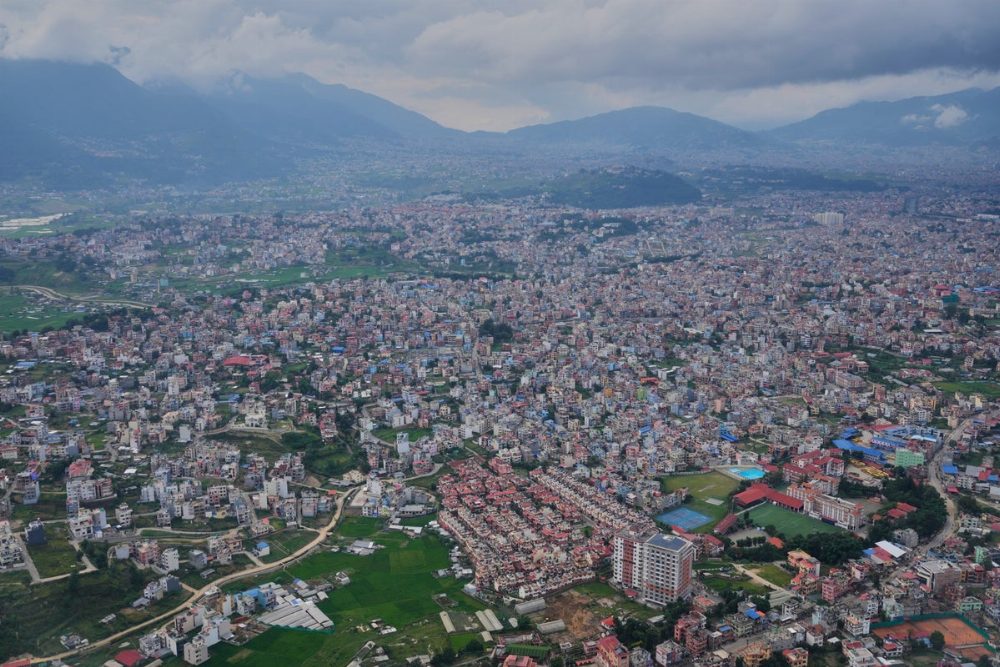
The majestic mountain range along the Nepal-China border is no stranger to peril, as highlighted by the recent flash floods triggered by a glacier collapse. This disaster has claimed hundreds of lives and caused extensive damage to the region.
However, the allure of these heights remains strong. The mountains are not only home to millions with deep-seated ties to the land but also attract trekkers from over 30 countries. Many are drawn to the heights for trekking adventures or to visit sacred sites.
For centuries, people have traversed these mountainous paths, often as traders on routes like the historic Great Silk Road. Ethnic groups, particularly the Sherpas, have developed remarkable mountaineering skills, aiding explorers from around the world in their climbs since the mid-20th century. Notably, Tenzing Norgay and Edmund Hillary made history in 1953 by becoming the first climbers to reach Mount Everest's summit.
The surge in tourism has transformed Nepal's economy, although it raises concerns over environmental impact and infrastructure. Popular trekking sites like Mount Everest and the Annapurna conservation area have seen record numbers of climbers, including an astonishing 274 summiting Everest in a single day this past May.
Rajendra Lama of the Nepal Mountaineering Association notes the resulting improvements in infrastructure, including better roads and accommodations. Yet, he emphasizes the need to balance tourism with preserving the region's natural beauty.
Despite the challenges, visitors continue to cherish Nepal's breathtaking landscapes and vibrant culture. Photographer Ariel Estulin, a frequent visitor, reflects on his experiences in remote areas, underscoring the enduring wildness of the country. In the wake of recent floods, Lama expresses hope for recovery, recalling the resilience shown after the devastating 2015 earthquake.
Source: www.independent.co.uk