New Trail Unveiled Around Uluru: A Journey Beyond Climbing
By Editor • August 27, 2026 • 2 min read
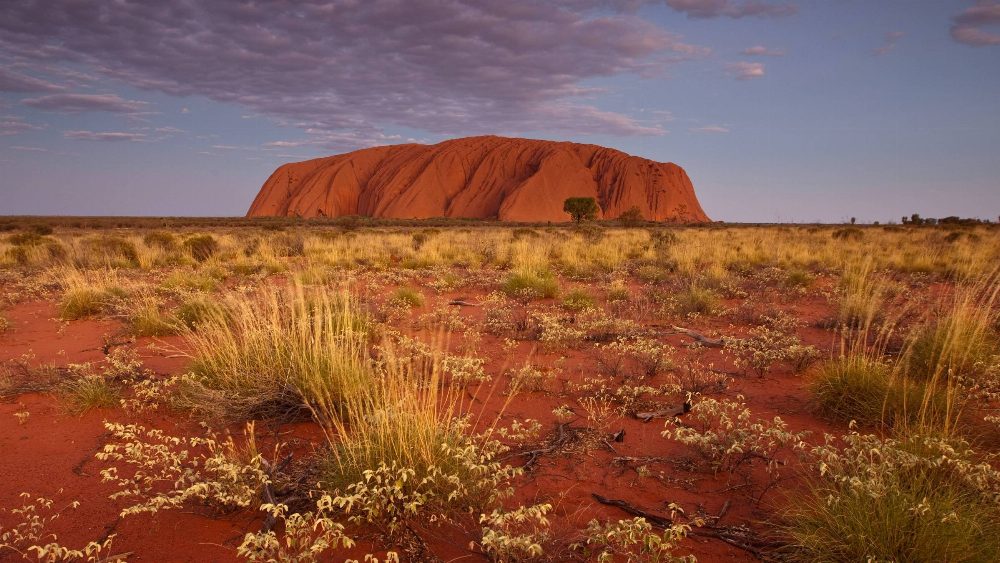
The Outback awakens in a stunning display of colors as dawn breaks, illuminating Uluru, the world's largest freestanding monolith. This majestic site, located in Australia's Northern Territory, has long been a focal point for visitors, many of whom sought to climb the sacred rock, disregarding its cultural significance to the local Anangu people. However, in 2019, climbing was officially banned, marking a shift towards greater respect for Aboriginal heritage.
In response to this change, Brett Godfrey, co-owner of the Tasmanian Walking Company, envisioned a new way for visitors to connect with Uluru. His idea culminated in the creation of the Uluru Kakararra Trail, a nearly 40-mile pathway that intertwines Uluru and the nearby Kata Tjuta hills. This initiative was guided by a 13-member Anangu steering committee, which ensured that the trail was designed with Aboriginal values and cultural protocols in mind.
The journey to build this sustainable trail was neither quick nor simple. Godfrey approached the Anangu in 2015, initially hoping to complete the project in three years. However, it took nearly a decade and extensive collaboration with various stakeholders, including the Uluru-Kata Tjuta Board of Management, Parks Australia, and the Central Land Council, to gain approval and establish the trail. The final result is a 24-mile addition to the existing trails around Kata Tjuta and Uluru, which collectively form the Uluru Kakararra Trail. The name itself, meaning 'going east' in the local languages, reflects the cultural significance embedded in the project.
Launched as part of the Great Walks of Australia initiative, the $18 million trail serves as an act of reconciliation, offering a respectful alternative to climbing Uluru. Godfrey noted that many Australians are unaware of the spiritual importance of this region, as 87% live near coastal areas. The trail, which is accessible only through Tasmanian Walking Company’s four-night Signature Walk, is expected to attract around 2,000 travelers each season.
During a recent inaugural hike, participants, including myself, embarked on a journey through the Valley of the Winds, a sacred site within Kata Tjuta. Guided by Joe Hammond, we learned about the significance of the land and the stories it holds, with photography prohibited in areas deemed sacred. This mindful approach encourages visitors to engage with the landscape spiritually rather than just visually.
The trail's construction revealed artifacts that underscore the deep-rooted connection of the Anangu to this land, with evidence of human habitation dating back over 30,000 years. Each step along the trail is a reminder of the ongoing relationship between the Aboriginal people and their Country, emphasizing the trail's role in fostering understanding and respect.
As I trekked towards our camp, equipped with luxurious accommodations not seen in the park for decades, I reflected on the humble beginnings of this project and the journey towards re-establishing a respectful connection with the land. The Uluru Kakararra Trail not only provides a new path for exploration but also signifies a broader movement towards recognizing and honoring the cultural narratives of Indigenous Australians.
Source: www.outsideonline.com
#Anangu #Cultural Heritage #Kata Tjuta #Uluru #walking trail