Personalized Cancer Vaccine by Merck and Moderna: An Algorithmic Revolution
By Editor • August 27, 2026 • 1 min read
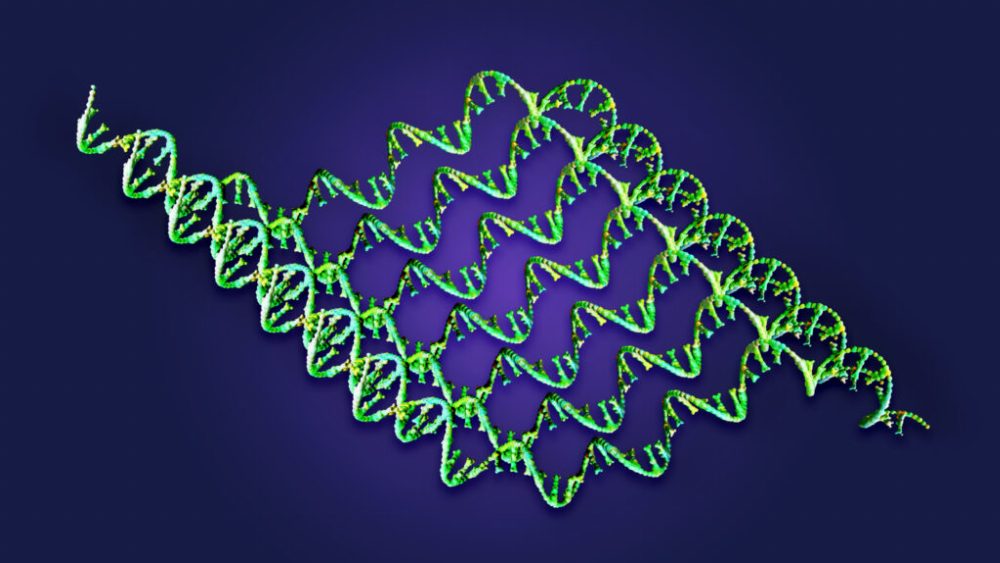
In a groundbreaking approach to cancer treatment, Merck and Moderna are on the verge of developing a personalized vaccine that could redefine cancer therapy. This innovative vaccine is set to be the first approved drug where its genetic framework is crafted by an algorithm. Utilizing advanced software, the treatment meticulously analyzes a patient’s tumor mutations to select 34 neoantigens that are then encoded into a tailored mRNA vaccine.
Despite the excitement surrounding this advancement, some investors remain skeptical. They question the necessity of such personalization, suggesting that the mRNA technology itself may enhance tumor responsiveness to existing therapies like Keytruda. "I have no idea," remarked Alex Rubinsteyn, a cancer vaccine expert, regarding the proprietary nature of the algorithm, highlighting the uncertainty that still looms over its efficacy.
Meanwhile, geopolitical tensions are shifting the landscape of biotech investments. A proposed bipartisan bill, the Biotech Investment National Security Act (BINSA), aims to restrict U.S. ties with Chinese biotech firms, potentially favoring Europe. Executives from Optimapharm suggest that this could lead to a strategic pivot, whereby drugs developed in China might be routed through European sponsors, referred to as "Eurowashing." This shift could alter profit distributions and clinical development activities across the continent.
In a notable advancement for pancreatic cancer treatment, Revolution Medicines recently received FDA approval for Rasonque, a drug targeting genetic drivers of the disease. This marked a significant milestone, nearly doubling median survival rates in patients compared to traditional chemotherapy.
Source: www.statnews.com