Pilgrim’s Rest: A Glimpse into South Africa's Gold Mining Legacy
By Editor • August 27, 2026 • 3 min read
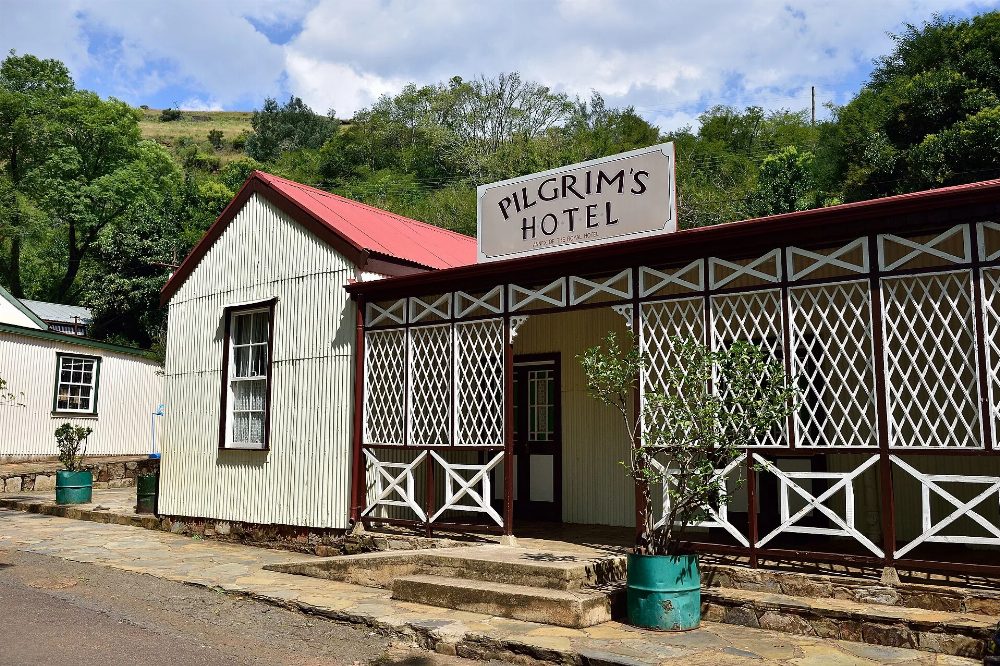
Nestled in the scenic mountains of Mpumalanga, Pilgrim’s Rest stands as a testament to South Africa's gold rush era, a place where time seems to have paused. Unlike conventional heritage sites that are often frozen in well-curated exhibits, this former mining town retains an authentic charm, with its corrugated-iron buildings and historical remnants echoing the dreams of fortune seekers from decades past.
The story of Pilgrim’s Rest kicked off in 1873 when Alec “Wheelbarrow” Patterson discovered gold in Pilgrim’s Creek, prompting a rush that would transform this secluded area. By the end of that year, around 1,500 prospectors had descended upon the valley, laying claim to about 4,000 gold claims. The initial mining activities were primarily alluvial, with fortune-hunters sifting through river sediment using simple tools like sluice boxes. By the end of the first seven years, it is estimated that approximately R2 million worth of gold had been extracted from the land.
However, the boom was not to last. As easily accessible gold dwindled, larger companies implemented advanced mining techniques, leading to the establishment of more permanent structures and community life, which continues to define Pilgrim’s Rest today. This evolution is what makes the town captivating; it is a living museum, showcasing not just a gold rush but the community that arose around it.
But Pilgrim's Rest is more than just a tale of gold. During the Anglo-Boer War, it became a surprising hub for minting emergency currency. The local gold was fashioned into Veldpond coins, crafted under trying wartime conditions, with a total of 986 coins struck. This fascinating twist adds depth to Pilgrim's Rest’s narrative, illustrating the multifaceted history tied to the area.
Entering the twentieth century, mechanized mining altered the landscape yet again, with the last mine closing its doors in the early 1970s. In 1986, Pilgrim's Rest was declared a National Monument, ensuring the preservation of its historic character. Today, the town is a provincial heritage site, inviting visitors to walk its serene streets at a leisurely pace.
Exploring Pilgrim’s Rest on foot is encouraged to fully appreciate its charm. Key locations include the Diggings Site Museum, which provides insights into the gold rush era, and the Historic Cemetery, imbued with local legends. The Alanglade House Museum offers a glimpse into the domestic life of later mining periods, enriching the historical experience.
For those eager to connect with Pilgrim’s Rest's mining heritage, gold panning is an interactive way to engage with its past. Alternatively, the Prospector’s Hiking Trail weaves through the picturesque landscape while recounting the stories of those who once roamed the hills in search of fortune.
Moreover, Pilgrim’s Rest is ideally situated along the Panorama Route, making it a strategic stop for travelers exploring Mpumalanga’s breathtaking scenery. From the town, visitors can embark on a journey through stunning attractions like God’s Window, Bourke’s Luck Potholes, and the expansive Blyde River Canyon, blending natural beauty with historical context.
What sets Pilgrim’s Rest apart is its unrefined authenticity. Rather than a polished tourist destination, it offers a raw glimpse into the past, where the echoes of ambition and hardship linger. As the town navigates pressures for revitalization, tourism remains a crucial lifeline, fostering both economic sustainability and community engagement. A visit to Pilgrim’s Rest is not just a trip into history; it’s an invitation to experience a corner of South Africa where the stories of those who sought fortune still resonate.
Source: www.getaway.co.za
#gold rush #heritage tourism #Mpumalanga #Pilgrim's Rest #South Africa