Rapid Decline in SNAP Enrollment Linked to New Regulations Under Trump's Legislation
By Editor • August 21, 2026 • 3 min read
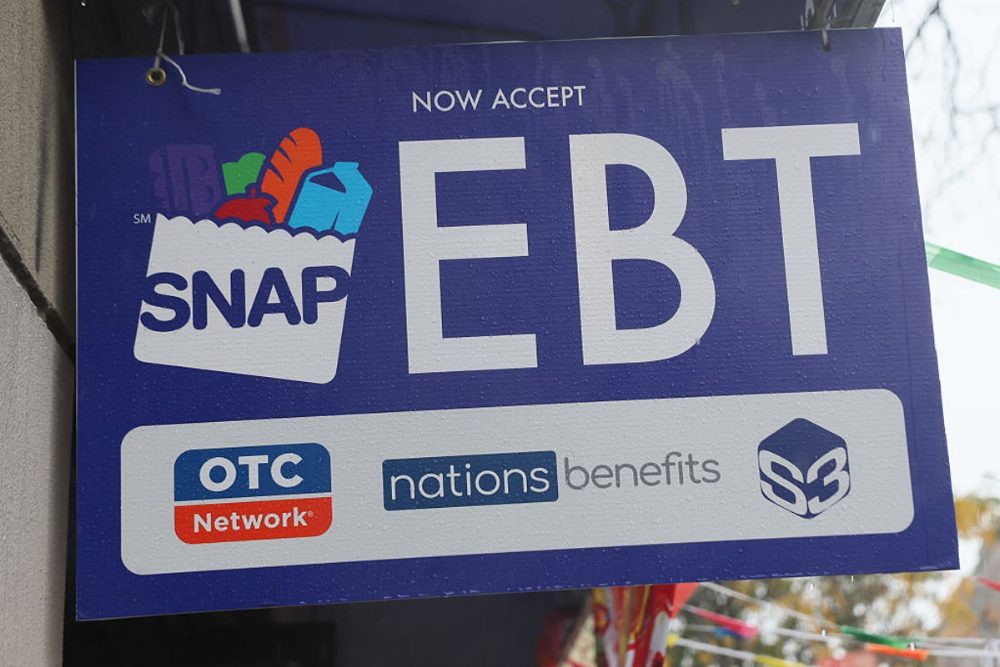
The number of individuals enrolled in the Supplemental Nutrition Assistance Program (SNAP) has plummeted by over 13% in just one year, a decline that has surprised many advocates and experts. Recent updates to the program, stemming from President Donald Trump's so-called 'big beautiful bill,' have introduced stricter work requirements and administrative hurdles that have left many eligible families without crucial food assistance.
As of May, enrollment numbers fell from 42.2 million to 36.6 million, reflecting a steep decline that extends beyond government predictions. Arizona has been hit hardest, witnessing a staggering 55% drop, which translates to over 400,000 residents losing access to benefits. This reduction has been attributed to challenges in implementing new federal requirements, including increased verification and documentation demands.
Tia Fields, a social safety net analyst at Invest in Louisiana, emphasized that much of the enrollment drop can be traced back to administrative issues rather than non-compliance with work rules. "A lot of it is administrative paperwork," she noted, highlighting that many eligible families have fallen through the cracks due to increased red tape.
Supporters of welfare reform argue that the shrinking SNAP rolls may indicate that some beneficiaries are earning enough to no longer qualify, which they see as a positive outcome. Rachel Sheffield from the Heritage Foundation commented, "If there are people that are leaving the welfare rolls because they’re working and they’re moving forward, that would be a step forward." However, the reality for many is far less optimistic.
Enrollment declines have been particularly pronounced in states like Georgia, Louisiana, Nevada, and Florida, where local officials attribute the drops to enhanced efforts to promote economic self-sufficiency. For instance, Florida has seen a 22% reduction in SNAP enrollment, partly due to fears among legal immigrants regarding the implications of seeking government assistance amid heightened immigration scrutiny.
As the new mandates take effect, adults aged 55 to 64, and those with children aged 14 to 17, are now required to fulfill work or educational commitments to retain their benefits, a significant change from previous exemptions. Critics worry that these changes may lead states to deny applications entirely to avoid potential errors in benefit distribution, especially since states will face penalties if their error rates exceed 6% starting October 2027.
Individuals like LaDiamond Lopez in Phoenix have faced the harsh realities of these reforms. After her benefits were cut, Lopez struggled to gather the necessary documentation while ensuring her young children had enough to eat. She described her experience as a source of constant anxiety, saying, "It’s a panic" as she navigates the bureaucratic requirements to regain her benefits.
The implications of declining SNAP enrollment extend beyond individual households; advocates warn that children who lose access to these benefits may also miss out on free school lunches and other vital resources. Carolyn Vega of Share Our Strength expressed concern over the inability of food banks and other organizations to fill the gap left by shrinking SNAP rolls, stating, "We know that no other organization or program can replicate the scale and success of SNAP." As enrollment continues to fall, the urgency to address these gaps in food security becomes increasingly critical.
Source: www.independent.co.uk