Reshooting: A Commonality in Cinema or a Red Flag for Upcoming Films?
By Editor • August 31, 2026 • 2 min read
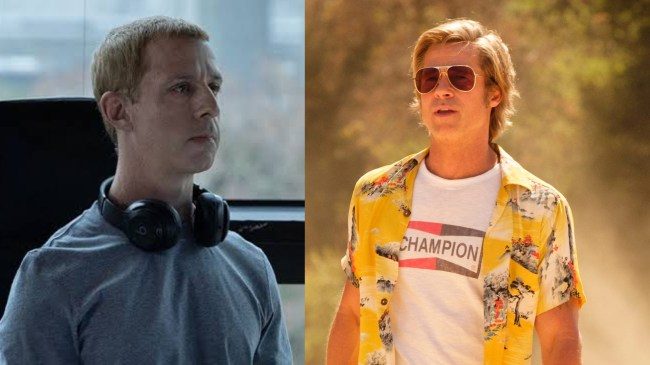
The film industry is buzzing with speculation as reshoots for upcoming titles like "The Social Reckoning" and "Artificial" raise eyebrows among audiences and critics alike. The recent teaser for "The Social Reckoning" has ignited fears that the sequel to the critically acclaimed "The Social Network" may not live up to expectations. Many believe that screenwriter Aaron Sorkin's vision, now divorced from director David Fincher's guiding hand, could result in a more sentimental narrative, straying far from the gripping cynicism of its predecessor.
The announcement of reshoots for the film, which occurred just weeks before its anticipated debut at the Venice Film Festival, only fueled these anxieties. When star Mickey Madison was spotted in Vancouver for additional filming, it seemed to confirm suspicions that the production was struggling. However, experts argue that this logic is flawed. Reshoots are a common aspect of the filmmaking process, often aimed at enhancing the final product rather than signaling imminent disaster. The recent reports indicate that the reshoots for "The Social Reckoning" were minimal, taking only two to three days to complete a few pickup shots and one scene revision to clarify the complex narrative structure.
Critics of the industry often point to such reshoots as signs of deeper issues, but this may stem from a growing trend where details about a film's production are selectively leaked and misconstrued to fit existing narratives about a project. A similar situation occurred with Luca Guadagnino's film "Artificial," which has been labeled as having undergone "all sorts of disasters" during its production. Despite budget overruns and extensive reshoots, experts question whether these factors genuinely predict a film's quality. In this case, it seems that the real story revolves around Amazon's decision to part ways with the film after a strategic partnership with OpenAI.
Making a film is an inherently challenging process, and disruptions are common, often resulting from the complexity of coordinating numerous stakeholders involved in the project. The stresses of production can lead to conflicts and creative disagreements, which rarely reflect the final product's quality. Anecdotes from various productions illustrate how the narrative surrounding a film's creation can skew perceptions of its outcome. For example, reports of challenging conditions on the set of "Euphoria" contrasted sharply with the praise for Martin Scorsese’s work on "Boardwalk Empire," highlighting how storytelling can shape our understanding of directors and their processes.
Such narratives stem from our ingrained perceptions of filmmaking, often influenced by historical figures like Alfred Hitchcock, who is mythologized for his meticulous control over his films. However, modern filmmaking is rarely so straightforward, as Steven Soderbergh’s new interactive app, "Production 02074," reveals through the tumultuous production of "Jaws." Soderbergh’s work emphasizes that even legendary directors face unforeseen challenges, underscoring the complexities of the filmmaking process.
Source: www.indiewire.com
#Aaron Sorkin #Artificial #David Fincher #Luca Guadagnino #The Social Reckoning