Reviving Stale Bread: The Art of Panzanella Salad
By Editor • August 17, 2026 • 3 min read
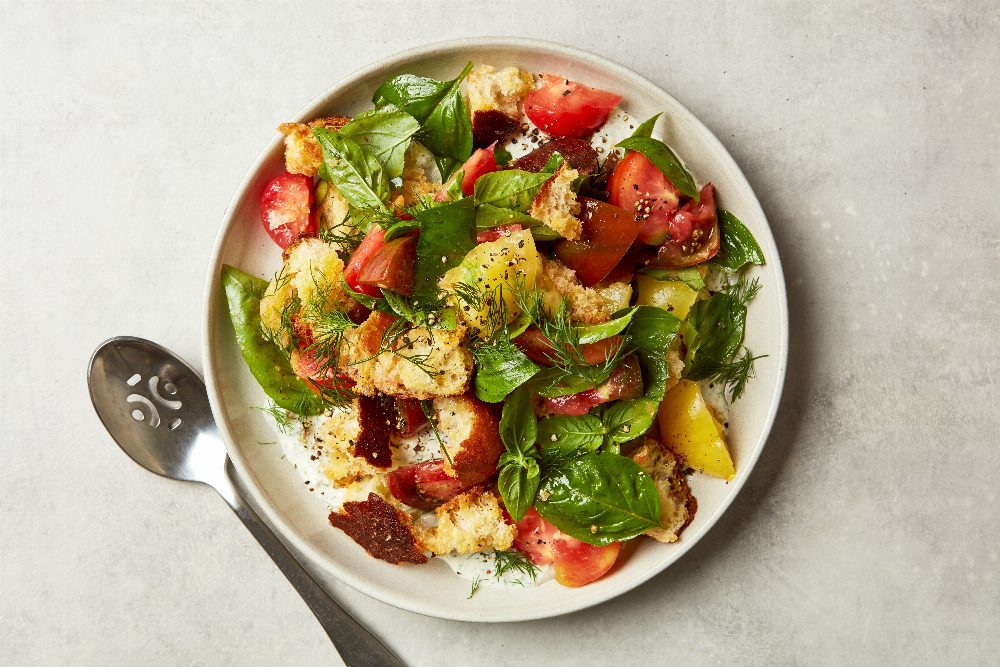
Panzanella, an iconic Tuscan dish, transforms stale bread into a delectable salad that’s both satisfying and resourceful. Instead of discarding that hard loaf sitting on your counter, consider the flavors and textures that can be coaxed from it. With a combination of ripe tomatoes, refreshing vegetables, and a zesty vinaigrette, this dish turns what might seem like waste into a culinary delight.
The essence of panzanella lies not in its ingredients but in its structure. It’s not merely a salad topped with croutons; the bread itself takes center stage, absorbing the juices and flavors of the accompanying ingredients. While peak-summer tomatoes are the classic choice, the recipe allows for a variety of additions, including cucumbers, stone fruits, roasted peppers, and more, giving cooks the freedom to play with textures and flavors.
At its heart, panzanella embodies the principles of “cucina povera,” or peasant cuisine, highlighting the clever use of stale bread. The fundamental formula is simple: sturdy bread combined with flavorful liquids, fats, and acids, complemented by contrasting textures. Whether it’s crunchy, creamy, or salty elements, each component enhances the salad’s depth without overshadowing the bread.
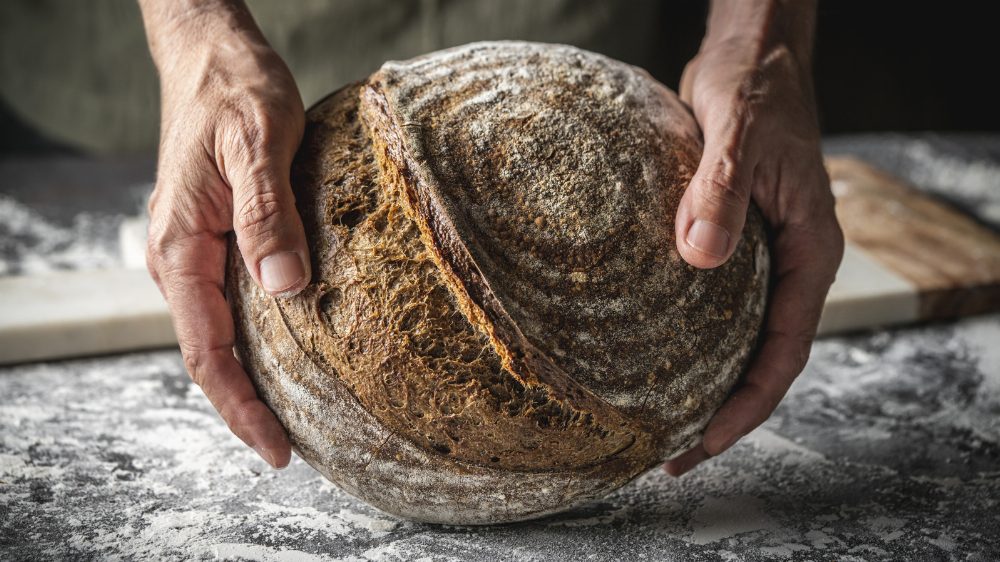
When selecting bread, opt for varieties that can withstand the dressing without disintegrating. Country bread, sourdough, ciabatta, or baguettes are excellent choices. Fresh bread can also be utilized by drying it out in the oven, grilling, or frying until it’s crisp but not overly browned. This technique ensures the bread retains its structure while effectively soaking up the delicious juices from the salad.
Tomatoes are a staple in traditional panzanella, providing a burst of sweetness and acidity. However, feel free to experiment with alternatives like cucumbers, peaches, or citrus, which can also deliver the necessary moisture. Salting particularly juicy ingredients before assembly allows excess water to drain, concentrating their flavors and enhancing the dressing.
Your vinaigrette should be robust, as the bread requires a punchier seasoning than typical salad greens. Red wine vinegar and high-quality olive oil form a great base, but don’t hesitate to incorporate other flavors based on the ingredients you choose. For instance, stone fruits can benefit from a hint of pickle brine, while spring vegetables pair well with lemon or buttermilk.
Once the bread is prepared, selecting the right additions is crucial. Fresh herbs such as basil, mint, or parsley can brighten the dish, while other ingredients like cheese, beans, or meats can elevate it to a complete meal. Cheeses like feta or mozzarella can enhance the flavor, making each bite satisfying and rich.
Avoiding the all-too-common soggy panzanella is essential for a successful dish. This often occurs due to overly soft bread or excess liquid. To prevent this, add the dressing gradually, allowing the bread to absorb it without becoming mushy. Taste testing is key; ensure that the bread is tender but retains enough structure to provide a satisfying bite.
The beauty of panzanella lies in its flexibility. Once you grasp the mechanics of the dish, you can create a salad that not only showcases that neglected loaf but also celebrates the vibrant flavors of your kitchen. Embrace the challenge of transforming stale bread into a delightful meal, turning what could have been waste into a deliciously inventive dish.
Source: www.bonappetit.com
#bread salad #cucina povera #Italian cuisine #Panzanella #Tuscan salad