Roy Cooper: The Steady Hand in North Carolina Politics
By Editor • August 27, 2026 • 3 min read
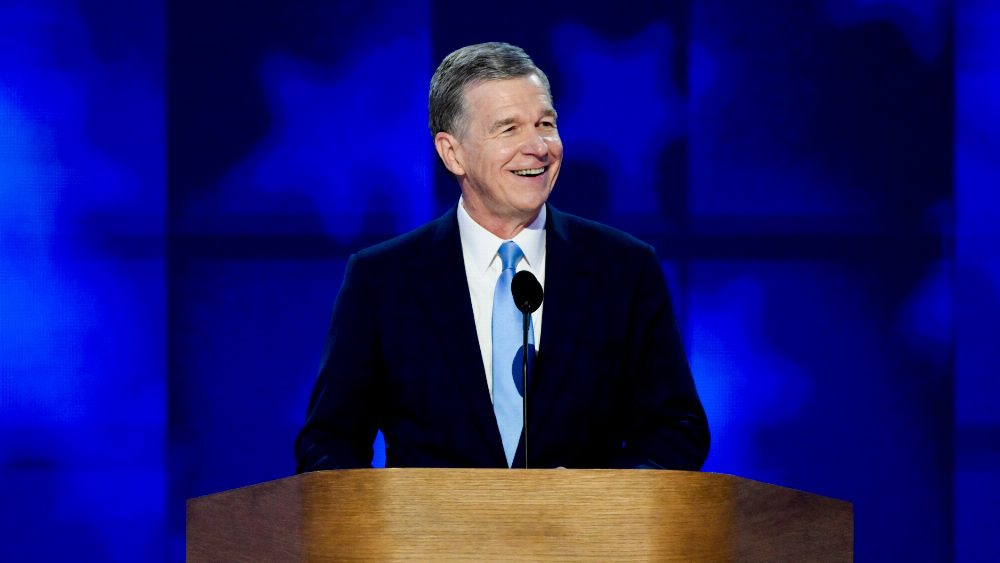
In the ever-evolving landscape of American politics, North Carolina's Governor Roy Cooper stands out as a model of stability. As the state gears up for the 2026 U.S. Senate race, Cooper has emerged as a strong Democratic contender, drawing attention for his calm and measured approach in a climate rife with political drama.
Originally regarded as a long shot in a state won by Donald Trump in three consecutive elections, Cooper's campaign is now being viewed as the frontrunner, thanks in part to his opponent, first-time candidate Michael Whatley. Despite initial predictions of a high-stakes, billion-dollar race, the contest has settled into a quieter atmosphere, with Cooper's steady strategy resonating with voters.
Cooper's team remains cautious, acknowledging the tight margins expected in the race. "This is going to be a two-to-three-point race at the end of the day," said Morgan Jackson, Cooper’s strategist. His political journey has been marked by long-standing relationships with North Carolinians, dating back to his entry into statewide office during the Bill Clinton era. This familiarity has stymied Republican efforts to redefine him.
Described by some as 'boring' in a complimentary sense, Cooper's approach contrasts sharply with the more controversial figures within the party. He avoids the sensationalism that characterizes many contemporary political figures and has cultivated an image of a reliable, approachable leader. Chris Cooper, a political scientist, humorously likens him to Mister Rogers, albeit with a more calculating edge.
Despite his calm demeanor, Cooper is known for his political savvy. His tenure as governor has included strategic maneuvers to promote his agenda, such as his successful push for Medicaid expansion in 2023 after years of resistance from Republican lawmakers. His use of veto powers has been notable, with a historical record of frequent vetoing that has positioned him as a formidable opponent in the legislature.
As the political landscape shifts, Cooper has leveraged the challenges posed by a Republican-controlled general assembly to strengthen his own position. His ability to avoid intra-party conflicts has allowed him to maintain broad appeal without being pigeonholed as either a liberal or a moderate. This strategic navigation could prove vital as he faces Whatley, who is struggling to rally support.
Yet, challenges remain for Cooper. Some conservatives believe the media has given him an easier path, often focusing on the campaign strategies of his opponents rather than his own. The narrative surrounding Cooper's likability could be a double-edged sword, as opponents like Whatley look to redefine the race in light of national issues rather than personal attributes.
Political observers remember the 1984 race when Jim Hunt's popularity was challenged by Jesse Helms, emphasizing that a well-liked candidate can still lose if the right narrative is pushed. Jackson, however, remains optimistic, asserting that voters view Cooper as a genuine figure. This authenticity, he believes, is difficult for other Democrats to replicate.
As the 2026 Senate race approaches, Cooper’s strategy appears to be a lesson in patience and perseverance. His steady hand in North Carolina politics might very well be the blueprint for Democrats seeking to navigate a complex political landscape filled with noise and distraction.
Source: www.theatlantic.com
#Democrats #Michael Whatley #North Carolina #Roy Cooper #Senate Race