Silenced by Censorship: The Struggles of Tibet Amidst a Catastrophic Flood
By Editor • August 28, 2026 • 2 min read
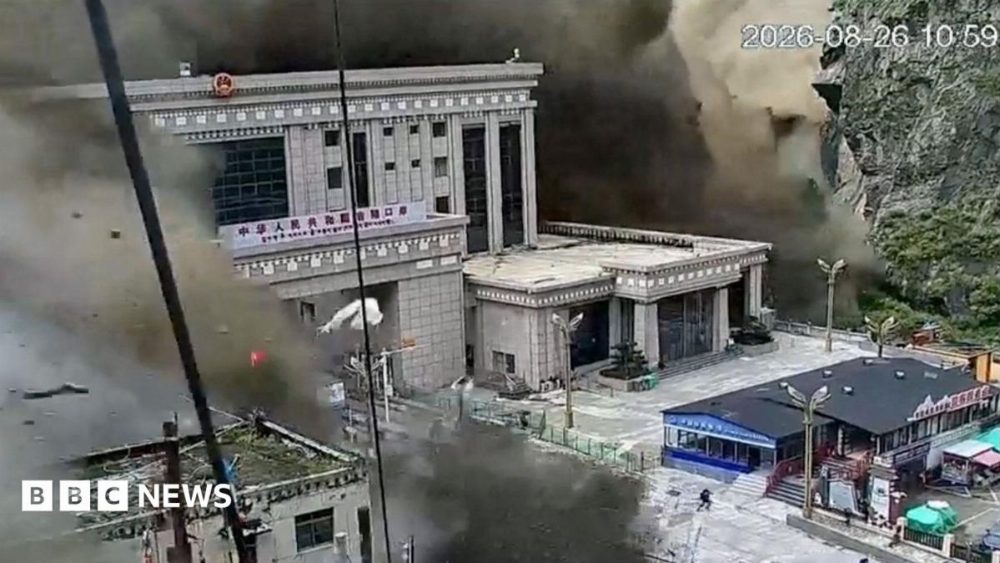
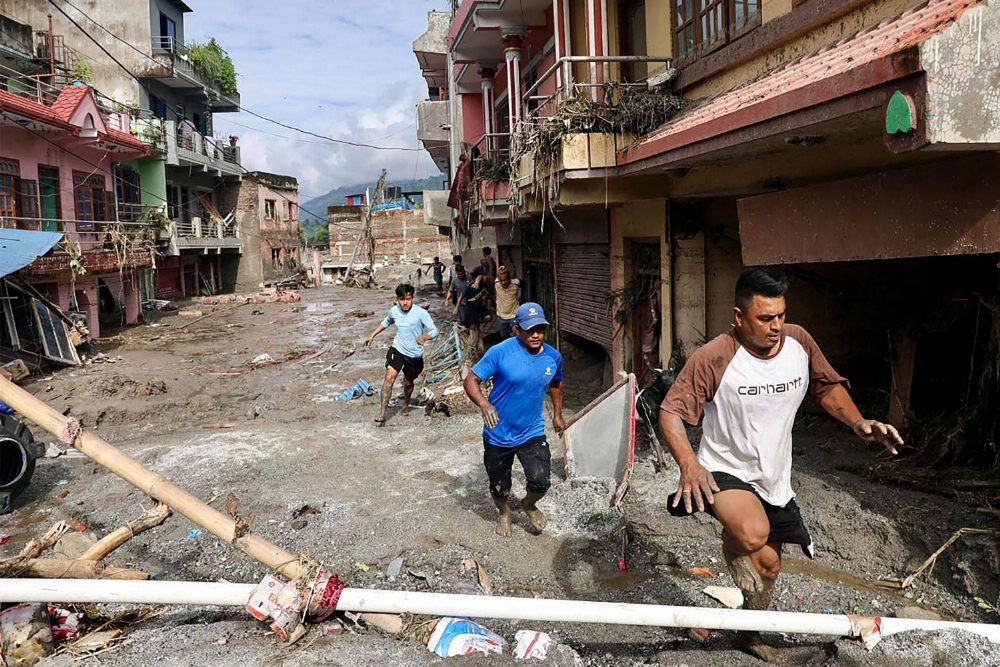
As devastating floods wreak havoc in Tibet, the world has witnessed dramatic footage of the disaster, yet the Chinese government remains tight-lipped. A torrent of water surged through Gyirong Port, a crucial border crossing with Nepal, leaving destruction in its wake as hundreds sought safety. Social media buzzed with harrowing images, but only a single still-frame has been aired by state-run media, highlighting the stark contrast between global news coverage and China's heavily censored narrative.
Since the floods began on Wednesday, reports indicate that hundreds of lives have been lost, with many more still unaccounted for. In response, Beijing mobilized a large-scale rescue operation, deploying hundreds of emergency workers to assist those in need. President Xi Jinping even convened an emergency meeting to strategize the response. However, the scant details emerging from state outlets are disconcerting; there are no survivor accounts or user-generated content to paint a fuller picture of the catastrophe.
The situation is particularly dire given the historical context of Tibetan resistance to Chinese rule. The region has long been a focus of Beijing's censorship, especially when it comes to events that could incite public unrest. The Communist Party's tight grip on information is evident in their reluctance to disclose details about the flood's impact or the response efforts. Instead, the state media has been preoccupied with highlighting Xi's political initiatives, such as the launch of his new book, even as global attention remains fixated on the unfolding disaster.
Despite the lack of information, the Chinese government is not oblivious to the implications of such a tragedy. Premier Li Qiang's quick visit to the affected region demonstrates a desire to maintain control and project an image of responsiveness. However, the Party's fear of discontent looms large. With memories of past uprisings still fresh, the government is cautious about how the flood might be perceived by the Tibetan community, which has historically been resistant to Chinese authority.
In an effort to quell any potential backlash, local party offices have urged members to engage in disaster relief while also providing psychological support to residents. This directive emphasizes the importance of maintaining social order and public confidence, with clear warnings for those who fail to comply. In such an environment, speaking to foreign journalists or sharing information online can lead to severe repercussions for Tibetans.
As the international community calls for transparency, organizations like the International Campaign for Tibet have criticized Beijing for suppressing evidence of the disaster's impact. They urge the Chinese authorities to share comprehensive information about casualties and damage. Meanwhile, the plight of Tibetans remains obscured, as the government’s narrative continues to dominate, leaving families in despair over the unknown fate of their loved ones.
Source: www.bbc.co.uk