South Africa's Talent Drain: The Cost of Misplaced Priorities
By Editor • August 30, 2026 • 3 min read
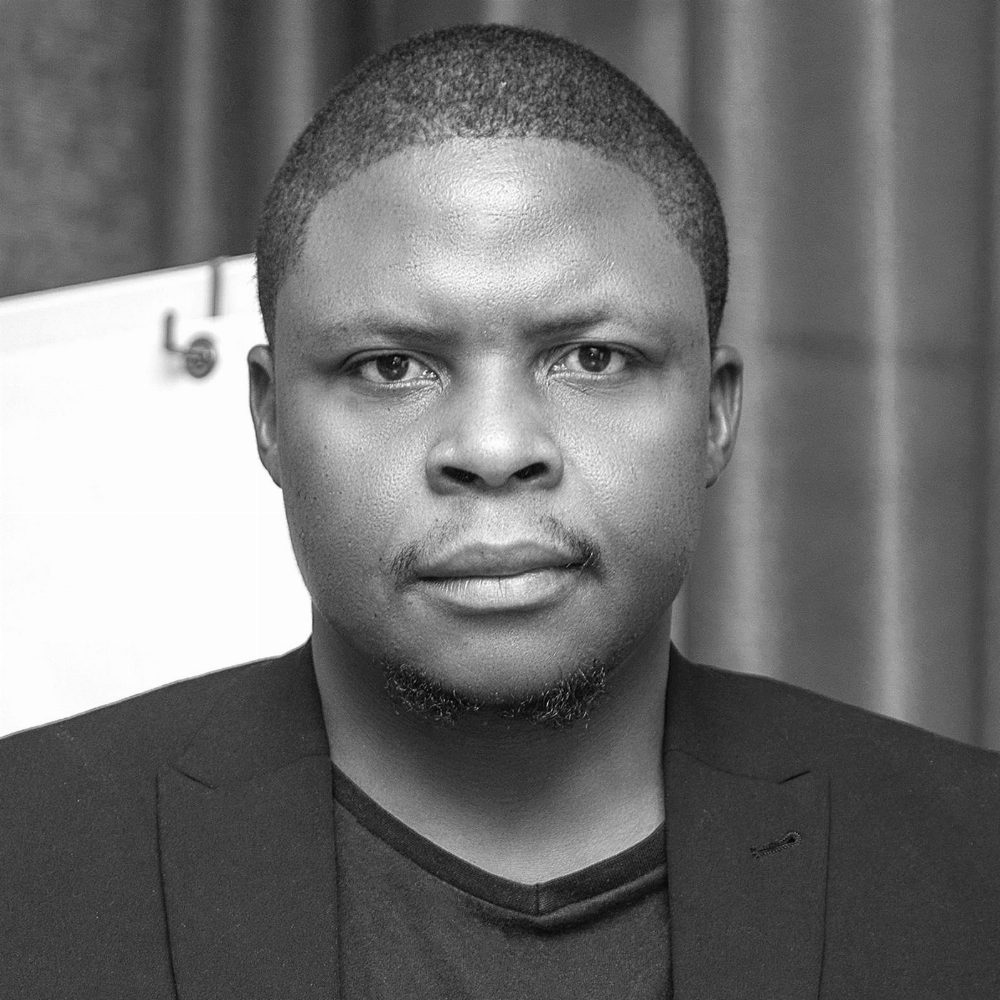
South Africa stands at a critical juncture, grappling with a significant waste of talent that hinders progress and undermines its institutions. This issue, articulated by Themba Dlamini, a chartered accountant and author, highlights a systemic failure to recognize and nurture potential across the nation.
Dlamini's reflections on his youth provide a poignant illustration of this problem. He recalls his experiences at his brother Bongumusa's shop in Elandskop, where he observed the inefficiency brought about by Mandla, the cashier, who was unable to process transactions as swiftly as Dlamini could in his mind. This scenario symbolizes a broader national issue: South Africa is bogged down in inefficiency, failing to leverage the capabilities of its most talented individuals.
According to the recent audit outcomes presented by the Auditor-General, only 15% of municipalities in South Africa achieved a clean audit, administrating a mere 8% of municipal expenditure. The alarming statistic reveals that municipalities squandered R1.6 billion on consultants to prepare financial statements, a task their own finance staff should have been capable of managing. This misallocation of resources echoes Dlamini’s childhood experiences, where the wrong hands were at the till.
The late Kimi Makwetu, a former Auditor-General, aptly named this issue in his 2018/19 report: “Not much to go around, yet not the right hands at the till.” Dlamini argues that the country’s inefficiency mirrors the experiences at his brother’s shop, where a capable young boy was sidelined by outdated norms.
It’s essential to clarify that Dlamini is not suggesting that intelligence is distributed unevenly by birth; rather, he emphasizes that human potential is present in every community but often goes unrecognized. The failure to nurture this potential, particularly in the educational system, has dire consequences. The Department of Basic Education's statistics show that many learners achieve low marks, with a national pass rate often celebrated, despite underlying deficiencies in educational quality.
The 2023 Trends in International Mathematics and Science Study revealed a shocking statistic: only 2% of Grade 9 learners in South Africa reached the advanced benchmark in mathematics. This highlights a systemic inability to translate potential into performance. Gifted children in rural areas often remain unidentified and unsupported, while those in affluent schools receive the attention and resources they need to thrive.
Teachers’ progression is based on tenure rather than student success, which perpetuates a cycle of mediocrity. The Constitution mandates that public appointments should be based on ability and fairness, yet in practice, political loyalty often trumps competence. Consequently, talented individuals are left disillusioned, realizing that advancement is more about connections than merit.
Dlamini advocates for a shift in how the nation identifies and nurtures talent. Early identification and development of aptitude, particularly in under-resourced schools, is crucial. This includes implementing enrichment programs and creating accelerated pathways for students in townships and rural areas, rather than merely relying on competitions that predominantly serve privileged communities.
Recognizing exceptional teaching and enforcing constitutional mandates regarding public appointments are vital steps toward cultivating South Africa’s talent. Historical institutions like Lovedale and Fort Hare exemplify the success that can be achieved when African ability is recognized and developed. The time has come for South Africa to recommit to finding and fostering its talent, ensuring that the potential of its youth is not squandered.
Source: www.dailymaverick.co.za
#Auditor-General #education #municipalities #South Africa #talent development