The Curious Case of Wealthy Socialists: A Look Inside the DSA
By Editor • August 22, 2026 • 3 min read
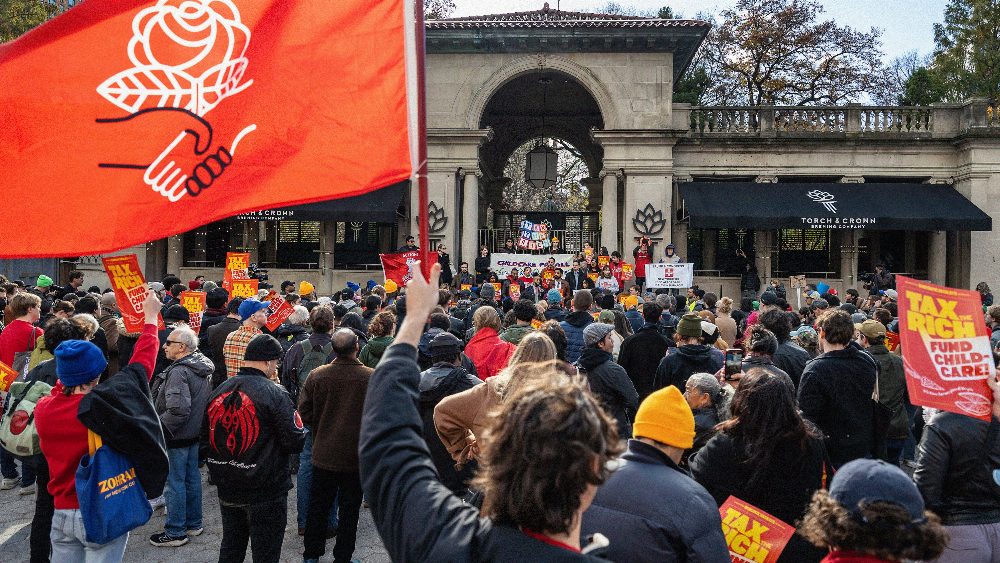
The recent scrutiny of Gustavo Gordillo, a prominent member of the New York City Democratic Socialists of America (DSA), highlights the paradox of affluent individuals advocating for socialism. Critics have lambasted Gordillo, a 38-year-old former Yale student who resides in a $1.5 million Brooklyn townhouse gifted by his father. This criticism intensified when details emerged about his exit from an electrician apprenticeship, prompting accusations of hypocrisy for someone who speaks against wealth and property ownership.
Gordillo is not alone in facing such scrutiny. Other leftist figures, like Graham Platner, who had a privileged upbringing with connections in the design world, and Zohran Mamdani, whose background includes Hollywood ties, have similarly been labeled as elite socialists. These critiques have gained traction as DSA candidates have increasingly succeeded in Democratic primaries, leading some commentators to describe this trend as driven by affluent, educated youth.
According to the DSA's recent membership survey, a staggering 77% of its members are white, and over 80% of those aged 25 and older hold at least a bachelor's degree. This demographic reality suggests that the current leftist movement is largely powered by disillusioned, college-educated individuals, often referred to as "Subaru socialists" by New Yorker writer Jay Caspian Kang. These individuals enjoy a comfortable lifestyle but may not yet own homes or feel financially secure.
The irony of wealthy socialists like Gordillo advocating for radical change invites both laughter and contemplation. It raises a compelling question: Why are so many individuals from privileged backgrounds attracted to a political ideology that challenges the very systems that have benefited them? In their 1977 essay, Barbara and John Ehrenreich introduced the concept of the "professional managerial class" (PMC), detailing how this group, often working in fields that support capitalist structures, has historically upheld the economic system.
However, recent trends indicate a shift among the PMC. A CBS News/YouGov poll revealed that Democrats—a group increasingly associated with the PMC—are now more favorable towards socialism (58%) than capitalism (32%). The support for socialism among college-educated Democrats reaches 71%, marking a significant change in political attitudes compared to previous decades when educated voters leaned Republican.
This shift reflects a broader disillusionment within the PMC regarding capitalism. Many of today’s professionals, who traditionally championed capitalist values, are now questioning the system. This discontent is often borne from personal experiences within their industries, leading them to seek alternative political solutions.
The DSA's demographic breakdown indicates a high concentration of members in traditional PMC professions, including education, healthcare, and social work. For these individuals, grappling with the challenges of the current economic climate—such as student debt, wage stagnation, and corporate influence—fuels a desire for systemic reform rather than mere hypocrisy.
While some may engage with socialism due to social circles or a sense of ennui, many are motivated by a genuine moral conviction shaped by their experiences. Gordillo articulated this perspective, stating that his varied economic experiences have shown him how luck can dictate financial stability, a reality he deems unjust.
In contrast to the tendency to critique wealthy socialists for their backgrounds, a more constructive approach could involve embracing transparency. Leaders like Mamdani, who confidently acknowledge their privilege, may resonate more with the movement's goals than those who attempt to conceal their status.
Source: www.theatlantic.com
#Democratic Socialists of America #Gustavo Gordillo #professional managerial class #socialism #wealthy socialists