The Grim Reality of Women’s Rights Under Taliban Rule in Afghanistan
By Editor • August 14, 2026 • 2 min read
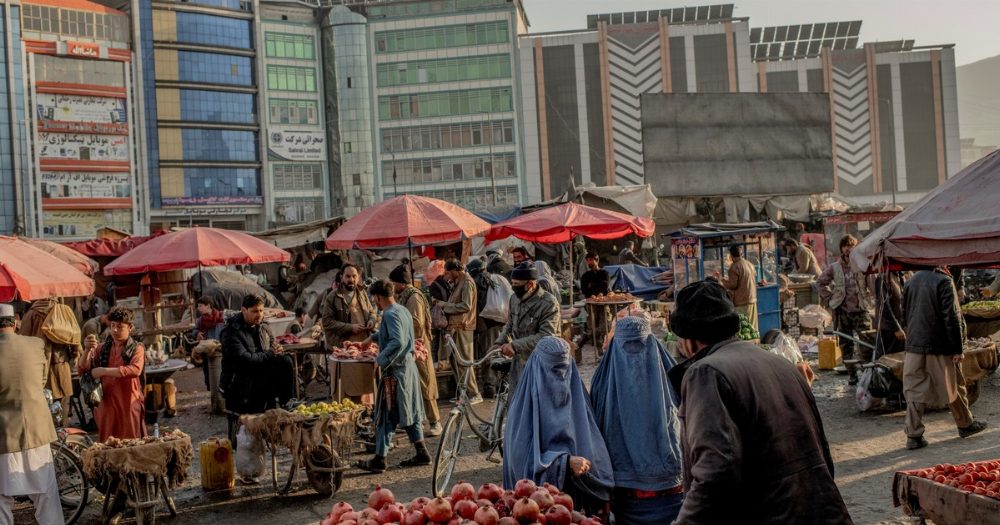
Five years have passed since the Taliban regained control of Afghanistan, bringing a stark regression in women's rights reminiscent of the late 1990s. Under their stringent regime, women and girls have faced widespread exclusion from public life, with experts warning that these restrictions may have long-lasting consequences for the nation.
According to a recent report from UN Women, over 160 decrees have been issued against women and girls, prohibiting them from accessing secondary and higher education, limiting employment opportunities, and enforcing strict regulations on their movement and attire. This systematic dismantling of rights is unprecedented in the modern era.
The report highlights alarming statistics from surveys conducted with approximately 5,000 Afghan men and women in both urban and rural areas. While both genders expressed dissatisfaction with their lives since August 2021, the report noted that 65% of women feel their lives are worse now compared to their expectations, a sentiment echoed by 55% of men. Women particularly cited the loss of educational access for themselves and their children as a significant contributor to their distress.
Moreover, the oppressive environment has led to increased societal pressure on women to conform to Taliban norms, with nearly 40% of surveyed women reporting heightened pressure to alter their behavior due to fear of denunciation by their communities. A staggering 90% of women indicated they require male permission to leave their homes, contrasting sharply with over 95% of men who reported daily outings.
Belquis Ahmadi, a human rights lawyer and former expert at the U.S. Institute of Peace, pointed out that the Taliban have extended their control into the private lives of citizens, turning patriarchal norms into legal obligations. This has led to a critical crisis for women's rights, as Afghanistan stands alone in formally prohibiting education for girls beyond primary school.
The enduring consequences of these restrictions are dire. As girls remain excluded from educational institutions, the cycle of oppression continues, leaving them without role models and diminishing their recovery prospects. UNESCO cautioned that with each passing generation of uneducated girls, Afghanistan’s future grows increasingly bleak.
“Each Taliban decree carries a human story—a university student stashing away her books, a teacher forced out of her beloved profession, a judge hiding from the regime, a doctor barred from treating patients, a businesswoman shutting down her enterprise, or a young girl questioning why she can no longer learn while her brother attends school,” UNESCO stated in a recent plea for the restoration of educational rights for Afghan girls and women.
Ahmadi emphasized the urgent need for the international community to advocate for those silenced by the Taliban’s regime. “The greatest danger facing Afghanistan today is not just the systematic erasure of 20 million women and girls from public life; it is the world's gradual acceptance of this reality,” she warned.
Source: www.clarin.com