The Evolving Role of Astronauts in a New Space Era
By Editor • August 18, 2026 • 3 min read
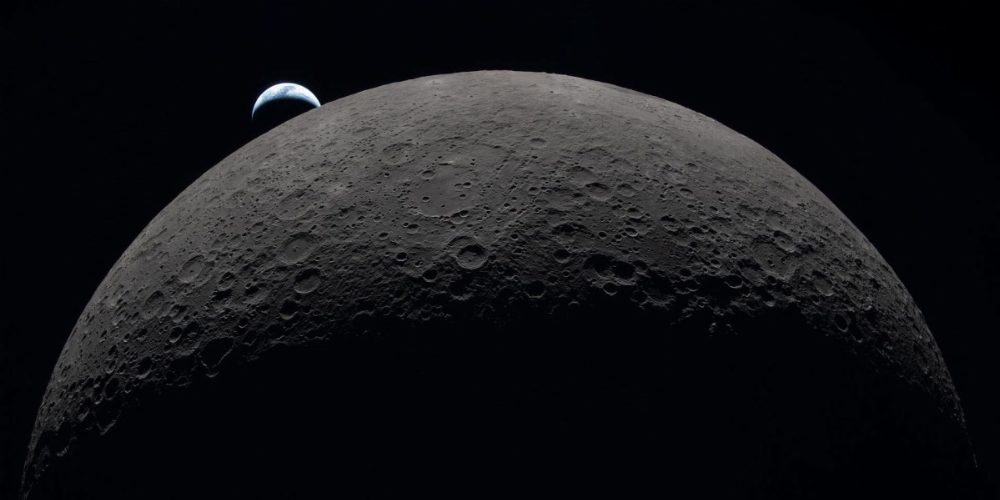
NASA's Artemis II mission has set a remarkable milestone in human space exploration, marking the farthest distance from Earth ever achieved by astronauts—over 4,000 miles beyond the previous record established during Apollo 13 in 1972. As the crew orbited the moon earlier this year, they not only made history but also ignited widespread public enthusiasm, drawing tens of millions of viewers and inspiring a wave of what has been dubbed 'moon joy.'
This mission is part of a broader Artemis program, which aims to create a sustainable human presence on the lunar south pole in the 2030s, in collaboration with international and commercial partners. In parallel, China and Russia are planning their own lunar bases, while private companies like Blue Origin and SpaceX are eyeing the burgeoning space tourism market, with aspirations to take civilians to the moon and possibly Mars.
Yet, amidst this ambitious landscape of space exploration, fundamental questions remain: What is the true purpose of sending humans into space? Critics argue that human spaceflight is fraught with dangers and costs, raising the possibility that robotic missions could achieve similar scientific and commercial goals more efficiently.
Throughout history, justifications for manned space missions have included geopolitical prestige, scientific curiosity, and even spiritual fulfillment. A new wave of literature suggests that these motivations are ultimately rooted in an innate human desire to explore and expand our horizons. Deana L. Weibel, a space anthropologist, emphasizes this primal compulsion, asserting that our drive to explore is akin to ancient pilgrimages, pushing us to confront challenges in search of profound revelations.
In his memoir, 'A Heart for Space,' astronaut Eiman Jahangir describes his journey to space as a culmination of a lifelong dream, while former NASA astronaut Leroy Chiao highlights the fundamental human need to discover what lies beyond our world. 'We go into space because we want to explore,' Weibel states, encapsulating the essence of human spaceflight.
However, as humanity reaches for the stars, the challenges we face are inherently human. The moon and Mars will transform from distant, romanticized dreams into practical work environments—sites of commerce, military strategy, tourism, and heritage. How we navigate these realities will shape our future in space.
The current space race differs from the Cold War era, where human spaceflight served as a demonstration of technological superiority between the U.S. and the Soviet Union. Now, NASA frames the competition as a new race with China, with potential access to resources like lunar water at stake. While international space law prohibits ownership of lunar land, both the U.S. and China are planning bases to support extended human operations on the moon.
As the contours of a human spaceflight economy begin to form, the role of private entities is becoming increasingly prominent. SpaceX, under Elon Musk's vision, aims to launch millions of civilians into orbit and establish a permanent settlement on Mars, while Blue Origin has already taken over 80 civilians on suborbital flights, including celebrities.
Jahangir’s path to space exemplifies the lengths individuals will go to reach the stars. Despite not qualifying for NASA, he achieved his dream through a raffle for a Blue Origin flight, highlighting the blend of determination and opportunity that defines this new era of space exploration.
Source: www.technologyreview.com
#Artemis II #Human Spaceflight #NASA #space exploration #space tourism