The Misguided Marketing of 'The Uprising': Why Robin Hood Has No Place in the Peasants' Revolt
By Editor • August 28, 2026 • 3 min read
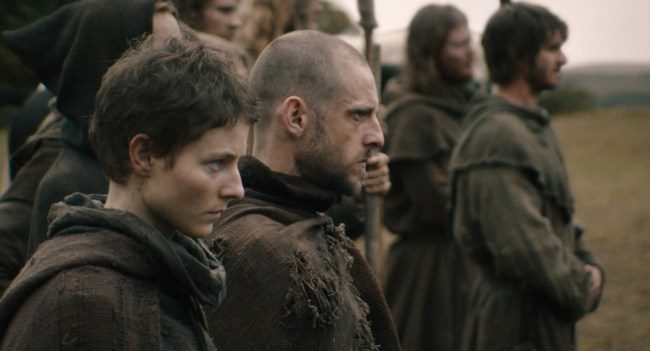
The upcoming film, "The Uprising," directed by Paul Greengrass, centers on the tumultuous Peasants' Revolt of 1381 in England. However, its marketing strategy has drawn criticism for suggesting a connection to the legendary figure Robin Hood, which is historically inaccurate.
On August 27, the film's US marketing team released promotional materials that included phrases like "The Rise of Robin Hood," igniting backlash from historians and enthusiasts alike. The next day, these taglines were swiftly removed, as they misrepresented the historical context of the revolt.
Robin Hood, as a character, is often conflated with themes of social justice, but he was not involved in the Peasants' Revolt. The first recorded mentions of Robin Hood appear shortly before 1381, and he was more of a folk archetype reflecting the people's desire for justice against the wealthy, rather than a participant in the revolt itself. This conflation undermines the significance of the actual historical figures and events surrounding the uprising.
The Peasants' Revolt, led by figures like Wat Tyler and John Ball, was a significant moment in English history. It arose from the struggles of the peasantry against oppressive taxation and social inequality in the wake of the Black Death and ongoing wars. With Tyler at the helm, the revolt aimed to confront the ruling elite, and it briefly succeeded in capturing London. The story of this uprising is rich with drama and tragedy, making it compelling enough without the addition of fictional characters.
Wat Tyler, a soldier returning from war, is said to have sparked the revolt after a personal tragedy involving a tax collector. His actions resonated with the frustrations of the common people, leading to widespread mobilization. John Ball, a radical preacher, advocated for equality and criticized the nobility, famously questioning the need for social hierarchy. His ideas were revolutionary for the time, emphasizing that all people should share in the fruits of labor.
King Richard II, who was just fourteen at the time of the revolt, infamously quashed the uprising and expressed disdain for the peasants, declaring that they would remain in bondage. His harsh words reveal the fears of the aristocracy regarding social upheaval and the lengths they would go to maintain control.
While the film "The Uprising" retains its focus on the Peasants' Revolt, the marketing misstep has overshadowed its historical significance. It suggests a misunderstanding of the revolt's true nature and the real historical figures involved. The uprising is a story of ordinary people fighting against oppression, a theme that resonates today and deserves to be told authentically.
Historians like Dr. Eleanor Janega emphasize that the Peasants' Revolt is not a romantic tale but a tragic account of failed aspirations for equality. The revolt's legacy serves as a reminder of the need for systemic change and the often harsh response from those in power.
As audiences prepare to witness "The Uprising," it’s crucial to appreciate the actual events and characters that shaped this pivotal moment in history rather than relying on fictional associations that dilute its impact.
Source: www.indiewire.com
#John Ball #King Richard II #Paul Greengrass #Peasants' Revolt #Robin Hood #Wat Tyler