The Rise of Hand Soap as a Luxury Status Symbol
By Editor • August 20, 2026 • 3 min read
In an era where even the most mundane household items are becoming markers of prestige, hand soap has emerged as an unexpected luxury status symbol. Recently, a friend introduced me to the concept of 'Low-y'—a term he coined after discovering a $90 hand soap with a fragrance reminiscent of fresh tomato leaves during a fancy event's restroom visit. He was captivated enough to purchase the Loewe Tomato Leaves hand soap, highlighting how everyday products can signal wealth and taste.
Traditionally, hand soap has been viewed as a basic necessity, often overlooked in favor of more glamorous household items. However, savvy marketers recognized its omnipresence in daily life and began positioning luxury brands like Dries Van Noten and Santa Maria Novella as essential bathroom accessories designed to evoke envy. As social media amplifies the desire for status symbols, the act of displaying a chic soap bottle has transformed into a new form of name-dropping.
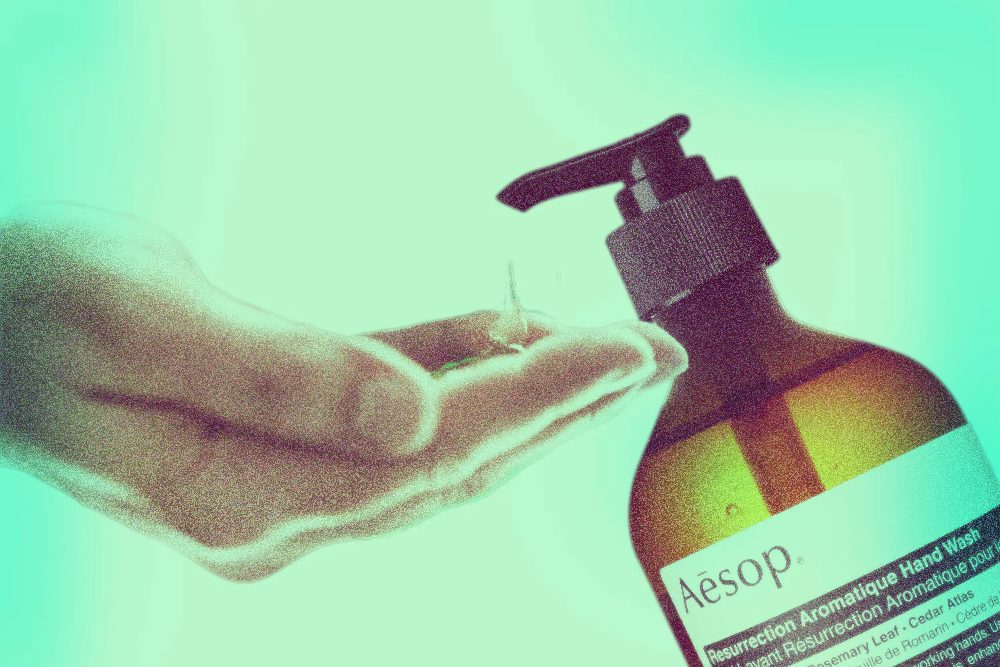
Brand popularity in the soap category tends to ebb and flow. A decade ago, Byredo’s hand soap was the go-to for stylish bathrooms, while Aesop’s Resurrection Aromatique soap gained fame as a fixture in upscale restaurants. The pandemic prompted a surge in interest for tomato-scented soaps, largely due to Loewe’s foray into beauty and Flamingo Estate’s trendy gardener vibe. This cultural shift towards 'status hand soap' has resulted in a spectrum of products that communicate both taste and affluence.
Despite their luxurious scents and appealing packaging, the notion of spending a small fortune on soap might seem extravagant to many. For those of us who prefer to splurge occasionally, the idea of lavishing $1.10 per hand wash feels extravagant, particularly for a product that is ultimately washed away. While some may find joy in collecting these high-end soaps, the overt branding raises questions about the value of such purchases.
Interestingly, the notion of owning luxury soap often clashes with personal financial habits. I recall a date’s Aesop soap in his Williamsburg loft, which felt out of place considering he had chosen to split the bill just hours earlier. Such moments underscore the irony of indulging in high-end home goods while espousing frugality elsewhere.
As I explore the market for luxury hand soaps, Loewe’s tomato-scented offering currently stands unchallenged, signaling a shift in consumer behavior towards more thoughtful purchases. The competition for premium sink space is intensifying, with brands like Grown Alchemist and Le Labo redefining luxury in gyms and spas. Now, anyone can curate a selection of elite soaps at home, not just those with privileged access to upscale venues.
Popular choices among discerning shoppers include Malin+Goetz’s Dark Rum soap and Compagnie De Provence’s Liquid Marseille Soap, both of which balance aesthetics and functionality. Emerging brands like Ortegia Sicily and Astier De Villate are also gaining traction, appealing to those seeking understated luxury.
Interestingly, the fascination with tomato-themed soaps has inspired a shift towards the unexpected in the realm of hand washing. Travel enthusiasts are now embracing soap tourism, collecting unique soaps from various destinations as a new version of the candle souvenir trend. With the rise of luxurious hand soap, it’s clear that consumers are eager to elevate even the simplest of rituals.
While pondering the significance of hand soap as a status symbol might seem trivial, it reflects broader societal trends where personal expression extends into every corner of our homes. Gone are the days of using generic, colorful soap bottles; today’s consumers are drawn to the sensory and aesthetic potential of their daily essentials.
Source: www.highsnobiety.com