The Rise of Teahouses: A New Cultural Phenomenon in the U.S.
By Editor • August 20, 2026 • 3 min read
Across the United States, a quiet revolution is brewing as teahouses emerge as favored alternatives to the traditional coffee shop. These establishments are not merely places to grab a quick drink; they are designed to promote relaxation and meaningful social interactions. One notable example is Tea at Shiloh in Los Angeles, which invites patrons to reserve spots for late-night tea sessions from 7 to 11 p.m. Here, visitors can indulge in unlimited herbal brews crafted daily by staff, all while enjoying live jazz in a cozy, plush environment.
Founded by former music industry professional Shiloh Enoki, Tea at Shiloh aims to create a space where patrons can unwind and engage in deep conversations rather than being tethered to their devices. Enoki explains, "Tea is like, I’m gonna sit here for hours and I’m gonna have a deep conversation with the person sitting across from me, and that’s so rare in our culture." The teahouse experience is designed to encourage guests to embrace the moment, offering games and art supplies to keep hands busy and minds engaged.
While the U.S. has historically lagged in tea consumption compared to other countries, a noticeable shift is underway. Tea imports are climbing, with millennials leading the charge as they gravitate toward matcha and specialty teas. New tea-centric businesses are popping up, introducing tea as a versatile ingredient in food and cocktails, thus broadening the definition of tea culture.
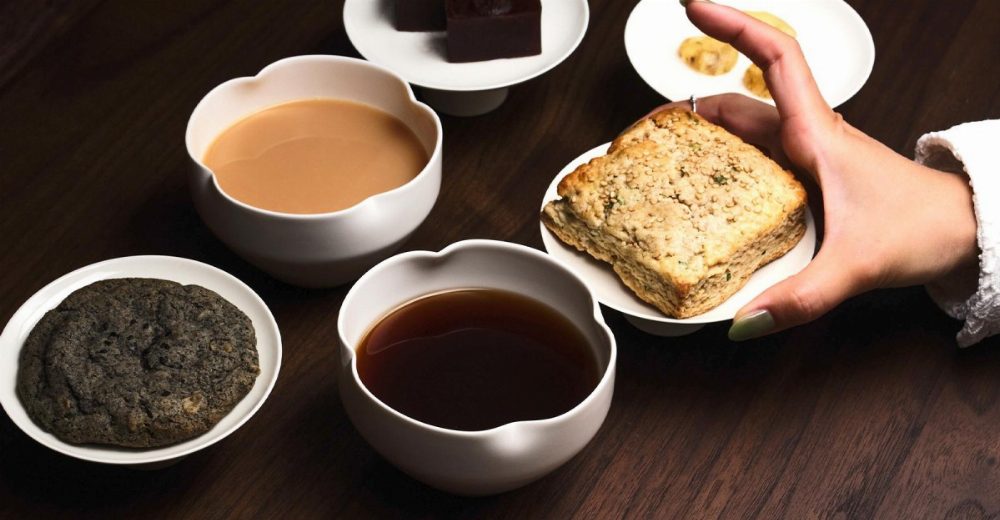
In Chicago, the recently opened Han Cha embodies this evolving tea experience, providing a British high tea format that showcases nine different teas from local supplier Spirit. Guests can savor flavors like Taiwanese black tea paired with English cheddar or Thai white tea accompanied by curry pimento cheese sandwiches. Co-founder Heiji Black draws inspiration from her childhood experiences in Korean teahouses, emphasizing the importance of slowing down and savoring the moment.
Soft Hours, a Manhattan teahouse opened by artist Juno Shen, further reflects this trend. Shen's establishment takes a unique approach by focusing on a curated selection of traditional Chinese teas, without the distractions of modern tea trends like matcha or boba. Shen notes, "I think we’re reaching a point where people are asking, What else is there?" Her vision is to introduce patrons to the diverse world of tea, steering away from surface-level trends.
Meanwhile, in Kansas City, Tian Tea House aims to highlight a broader spectrum of Asian tea culture. Co-owner Saranya Hubbard, who grew up in Thailand, emphasizes that while matcha is popular, her teahouse also offers lesser-known varieties, such as hibiscus-infused Thai tea. By night, the venue transforms into a cocktail bar where tea meets mixology, showcasing the versatility of this ancient beverage.
Moreover, the expansion of the Chinese chain Heytea across the U.S. signifies tea's growing cultural importance. Known for its innovative cheese tea, Heytea has opened over 40 locations since debuting in New York City in 2023, serving a variety of trendy beverages that blend traditional tea with modern flavors. The recent launch of its Teabar offshoot offers an immersive tea experience, featuring dine-in pots and unique concoctions like jasmine milk tea with a "matcha cloud." These developments reflect a broader movement toward tea as a sophisticated and diverse category, appealing to a younger demographic.
As teahouses continue to flourish, they are reshaping the way Americans perceive and enjoy tea, inviting a slower, more intentional lifestyle into their daily routines. The rise of these establishments signals that tea culture in the U.S. is not just evolving but thriving, creating spaces where connection and mindfulness take center stage.
Source: www.eater.com
#Chicago #Heytea #Los Angeles #matcha #tea culture #teahouses