Trump's Bold Move to Rename Lake Ontario Sparks Outrage and Laughter
By Editor • August 28, 2026 • 3 min read
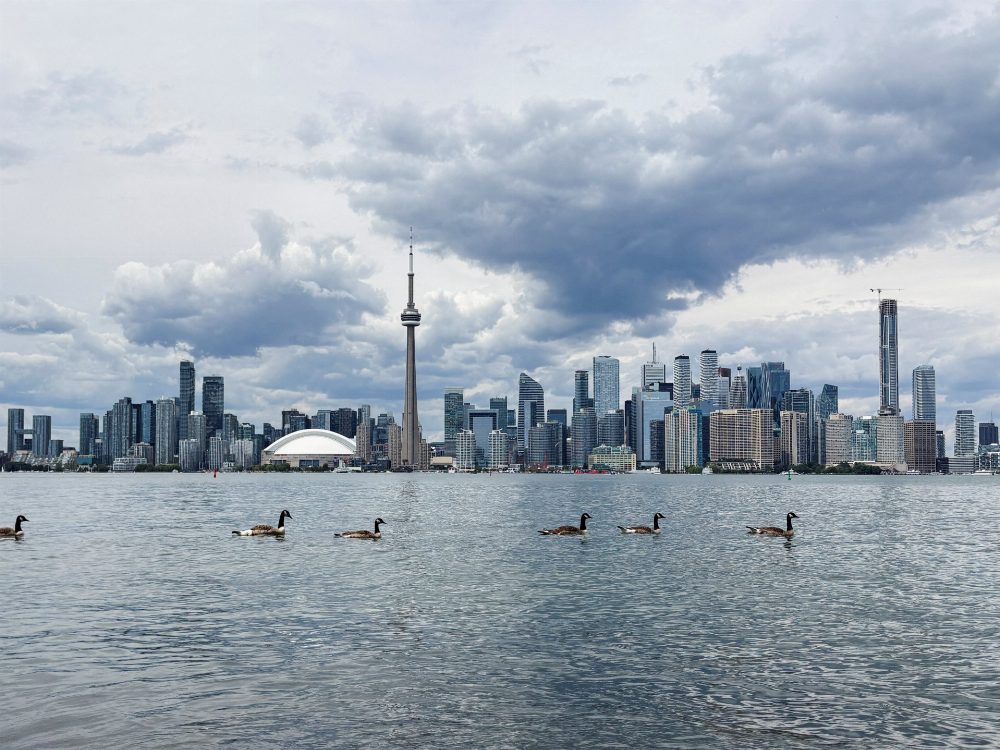
In a surprising twist that has left many bewildered, President Donald Trump announced his intention to rename Lake Ontario as 'Lake America' during a recent press briefing at the White House. This declaration comes amid rising tensions in trade relations between the United States and Canada.
Trump's executive order, which he claims is effective immediately, has drawn both laughter and criticism from Canadian officials and experts alike. Lake Ontario, which forms part of the border between Canada and the United States, has a name steeped in history, deriving from the Huron Indigenous term meaning 'lake of shining waters.'
Derek Alderman, a geography professor at the University of Tennessee, criticized Trump's move as an attempt to erase Indigenous cultural significance from the map, asserting that this reflects a broader 'America-first' ideology. "The name Ontario is a witness to a native presence that existed before the establishment of the United States and Canada," Alderman stated.
Trump's rationale for the name change is rooted in his belief that Canada has not treated the U.S. fairly in trade dealings. He remarked, "They haven’t treated us well. The Canadian officials have treated us very badly. They’re nasty people." This controversial statement comes as the two nations grapple with economic disputes, including recently imposed tariffs on Canadian goods.
Canadian Prime Minister Mark Carney quickly dismissed Trump's renaming order, emphasizing that the name Lake Ontario is over 400 years old and integral to Canadian heritage. He tweeted, "Canadians also know that naming reality means calling it Lake Ontario – then, now and always." Ontario Premier Doug Ford echoed this sentiment, asserting, "It’s Lake Ontario to Canadians and the rest of the world. Now and forever." Even politicians from other provinces, such as Nova Scotia's Tim Houston, chimed in, calling the situation "real foolishness."
While Trump may have the legal authority to propose such a name change, resistance is evident even within the United States. New York Governor Kathy Hochul has publicly rejected the idea, stating, "New York won’t be calling it that." This sentiment reflects a broader skepticism about the feasibility and acceptance of Trump's unilateral naming approach.
Experts highlight that, despite the executive order, there is no authoritative global body that enforces geographical naming conventions, particularly for bodies of water shared between nations. The U.S. Board on Geographic Names oversees domestic nomenclature, but it discourages arbitrary changes unless there is a compelling reason.
Alderman points out that such unilateral actions can undermine diplomatic relations, suggesting that the controversial nature of the name change could complicate future negotiations between the U.S. and Canada. On the international level, the naming of bodies of water often leads to disputes, as seen in other regions where countries have conflicting claims, such as the Sea of Japan and the South China Sea.
In conclusion, while Trump’s proclamation might be seen as a whimsical declaration, it raises serious questions about cultural respect, historical significance, and international diplomacy. As it stands, Canada is resolute in its stance, maintaining that Lake Ontario will remain just that: Lake Ontario.
Source: www.aljazeera.com
#Canada #Donald Trump #geography #Lake Ontario #trade tensions