Trump’s Ongoing Assault on Press Freedom
By Editor • August 31, 2026 • 3 min read
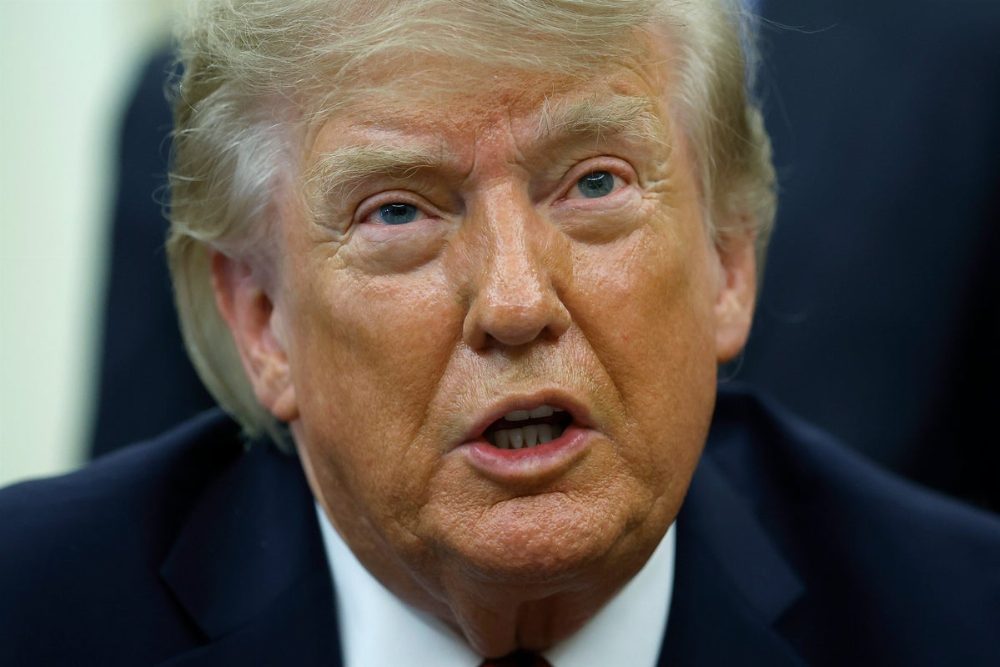
Donald Trump's disdain for free speech and the media is becoming increasingly evident, particularly in the way he reacts to criticism and unfavorable news coverage. This past weekend, he took to Truth Social, aiming his ire at the Federal Communications Commission (FCC) over what he termed 'fake polls' disseminated by the media.
In a series of posts, Trump specifically targeted Kristen Welker, a host on Meet the Press, for her commentary on his mixed results with endorsed candidates. His vitriol included a hefty dose of misogyny and a call for punitive action against Welker, stating, 'How can anyone be allowed to say this, working for freely given Public Airwaves?' He threatened to report her to the FCC for her alleged inaccuracies, despite the reporting being factually sound.
The root of Trump's frustration lies in his consistently low approval ratings, which seem to be pushing Republicans towards a potential loss in the upcoming elections. While Trump-backed candidates have had some success, his recent endorsements have not been as universally favorable, leading to his desperate attempts to silence voices that reflect this reality.
Trump's call for intervention by the FCC is not only legally unfounded but also poses a threat to the First Amendment. The FCC’s mandate does not extend to regulating print media, and the agency has previously stated that interfering would infringe upon journalistic independence. Nevertheless, Trump continues to use the FCC as a political weapon, encouraged by its chair, Brendan Carr, who has been known to advocate for using regulatory powers in a partisan manner.
In addition to regulatory pressure, Trump has resorted to a barrage of lawsuits against various media outlets, including ABC, CBS, and The New York Times. While some cases have resulted in settlements, others remain ongoing, serving primarily as intimidation tactics aimed at discouraging honest reporting. Notably, Trump's legal maneuvers have extended to journalists like Bob Woodward and institutions like the Pulitzer Prize Board.
This trend of media suppression is also evident within the Trump administration itself. As G20 finance ministers convene in Asheville, North Carolina, the Treasury Department barred specific reporters from prominent outlets like The New York Times and Bloomberg News from attending. This exclusion raises concerns about the administration's commitment to transparency and accountability.
At the Pentagon, the situation appears equally grim. Reports indicate that military leaders have advised Secretary of Defense Pete Hegseth that extending military operations in Iran is unsustainable. The Pentagon's defensive posture regarding these discussions highlights a broader trend of limiting press access and stifling dissent within military ranks.
Moreover, the Pentagon has sought to transform Stars and Stripes, a long-standing military publication, into a platform for government propaganda, limiting its ability to report on unflattering truths. This strategy not only undermines the integrity of military journalism but also reflects a broader assault on press freedom.
Despite these efforts to suppress dissent, traditional media outlets continue to uphold their responsibility to deliver accurate reporting. This ongoing struggle between the Trump administration and the media serves as a stark reminder that targeting the press is not just un-American, but ultimately counterproductive.
Source: www.theatlantic.com