Tulbagh's Fruit Canning Factory Closure Puts Thousands at Risk
By Editor • August 19, 2026 • 2 min read
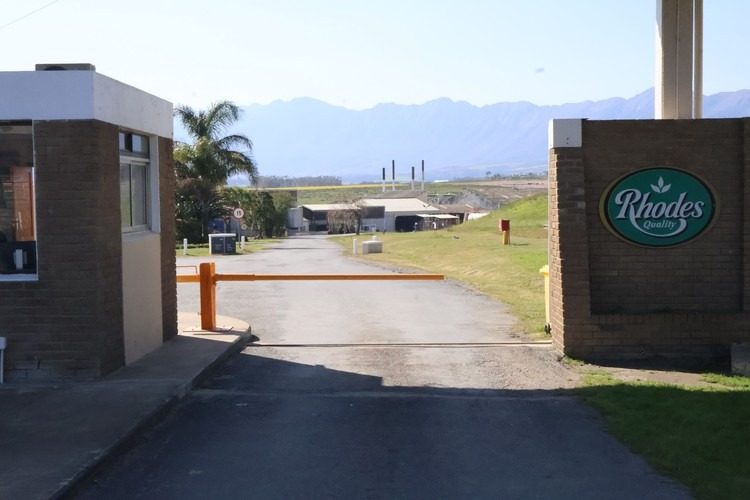
The impending closure of Tulbagh's fruit canning factory, a cornerstone of the local economy for over 70 years, has sparked fears of significant job losses and a potential unraveling of the community's way of life. With the factory's operations, which date back to 1954, providing seasonal employment to thousands, the decision by Premier Group to shut down the facility has left many in the Western Cape town anxious about their futures.
Employing more than 3,500 people, mainly on seasonal or fixed-term contracts, the factory has been a vital source of income for local workers and farmers. The announcement of its closure comes just months before the peak fruit season begins in November, heightening concerns among those who depend on the plant for their livelihoods. Premier Group, which acquired the factory from Rhodes Food Group in March, cited a lack of sustainability due to declining global demand as the reason for the closure.
Workers like Siya Ndzongana, who has been with the factory since 2010, are feeling the impact personally. Ndzongana's family has deep ties to the factory, and he has watched as his own job and those of his relatives have been put in jeopardy. “The whole town has connections with that factory,” he lamented, emphasizing the loss of a critical employment source for young locals seeking to enter the workforce. Seasonal work at the factory has historically provided many young people their first job opportunities.
Local businesses are also bracing for economic fallout. The reduction in factory employment threatens the income of taxi operators, informal traders, and shops that cater to workers. “When the workers get their money, they get transported straight to the shops,” explained Dinene Coetzee, who has seen firsthand how the community relies on the factory’s workforce. As job security wanes, many families are already struggling to meet basic needs, turning to community soup kitchens for support.
The impact of the factory's closure extends beyond immediate job losses. The local economy is intertwined with the seasonal cycles of the factory, affecting everything from grocery sales to transportation services. With the factory's normal operational preparations failing to take place this year, the community is left in a precarious situation. Alungile Ntulo, a factory worker from the Eastern Cape, expressed her concerns about the future, stating, “I will have to stay in Tulbagh and look for other jobs,” highlighting the limited options available.
As the community grapples with uncertainty, many are left to ponder what the future holds. With the factory's closure set to ripple through Tulbagh, residents fear for their financial stability and the overall health of their community. “The entire Tulbagh is going to suffer,” warned Ndzongana, who noted that the repercussions would affect not just factory employees but farmers and local businesses as well. As the town awaits the outcome, the question remains: what will become of Tulbagh without its historic fruit canning factory?
Source: www.dailymaverick.co.za
#community impact #factory closure #job loss #Premier Group #Tulbagh