Unlocking Hydrogen's Potential: New Insights from Ancient Mines
By Editor • August 17, 2026 • 2 min read
The quest for sustainable hydrogen sources has taken a fascinating turn as geochemists revisit ancient mines to explore their hidden resources. Barbara Sherwood Lollar, a prominent geochemist from the University of Toronto, and her team have been investigating the Kidd Creek mine in northern Ontario, where they discovered water that has remained underground for over a billion years. This ancient brine not only harbors living microbes but also produces hydrogen through natural geological processes.
In a recent analysis of data collected over a decade from 35 boreholes within the mine, Sherwood Lollar found that each borehole releases an average of eight kilograms of hydrogen annually. Extrapolating this data suggests that a staggering 140 metric tons of hydrogen flows out of Kidd Creek’s vents each year. While this quantity may not revolutionize the energy landscape, it represents a significant local energy source that could potentially power a portion of the mine's operations.
The global interest in hydrogen as a clean energy source is growing, yet its traditional production methods remain energy-intensive and environmentally damaging. The discovery of geologic hydrogen—the kind that naturally forms underground—could fundamentally change this narrative. As companies like the Australian startup HyTerra explore ancient oceanic rocks in the U.S. Midwest for hydrogen, researchers estimate that trillions of tons of hydrogen could be hidden within Earth’s crust.
Despite the excitement, progress has been slow, with no commercially viable hydrogen reservoirs reported yet. Laurent Truche, a geochemist at the University of Grenoble Alpes, notes that while the existence of natural hydrogen is becoming clearer, proving its economic viability remains a challenge. Projects funded by ARPA-E are investigating ways to stimulate hydrogen production by injecting water or heat into reactive rocks, aiming to enhance production rates significantly.
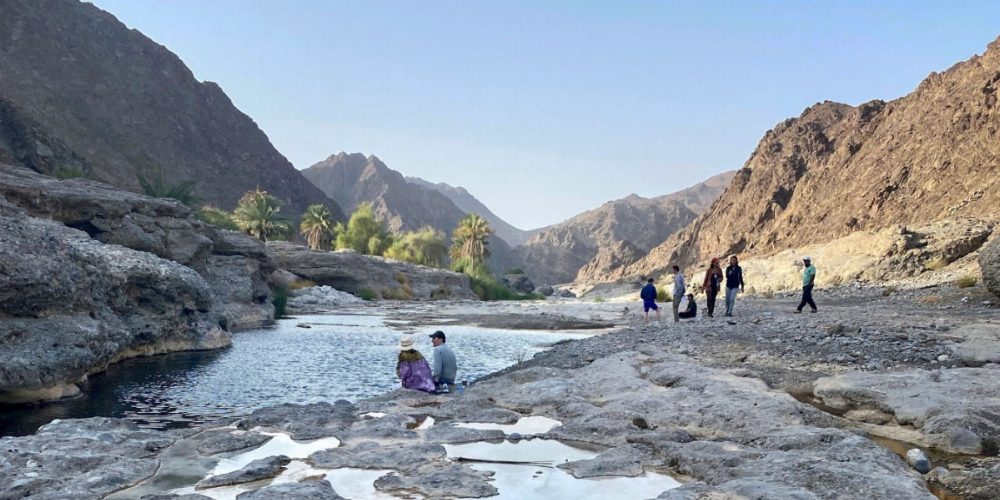
Recent experiments, such as one in Oman, showed promising results when injected water yielded gas that was 90% hydrogen. However, questions about the source of this gas linger, highlighting the complexities of harnessing geologic hydrogen. As exploration continues, the potential for tapping into this underground resource remains a tantalizing prospect for the future of clean energy.
Source: www.technologyreview.com
#Barbara Sherwood Lollar #geology #hydrogen #Kidd Creek #sustainable energy