Unlocking Savings: How to Join a Virtual Power Plant
By Editor • August 28, 2026 • 3 min read
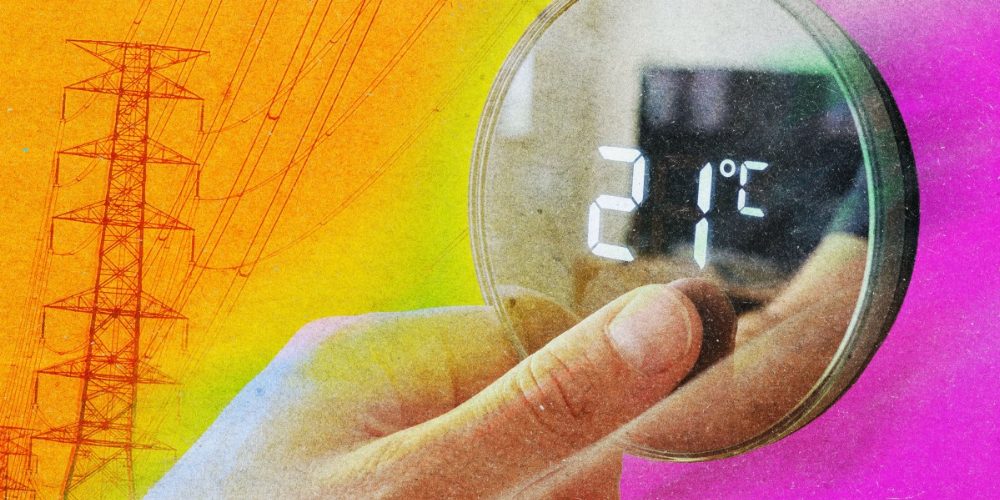
In an age where energy efficiency and smart technology converge, the concept of a virtual power plant (VPP) is becoming increasingly appealing. These systems harness everyday household devices—like smart thermostats, electric vehicle chargers, and home batteries—to create a network that utilities can manage to optimize energy use and reduce costs.
A VPP operates by coordinating these devices to draw less energy during peak demand times. For instance, your utility might adjust your thermostat settings or delay the charging of your electric vehicle (EV) to ease strain on the grid. This not only helps utilities manage their load but also offers homeowners financial incentives, including discounts on energy bills and potential bonuses for participation.
According to Seth Frader-Thompson, CEO of EnergyHub, participants in smart thermostat programs can expect initial bonuses ranging from $50 to $150, in addition to annual savings of $25 to $50. Those enrolled in programs involving home batteries or EVs could see even higher returns, sometimes amounting to hundreds or thousands of dollars annually. Frader-Thompson notes that while the impact per household might seem minor, when aggregated across millions of participants, the effect is substantial, akin to activating a power plant.
As of 2023, the landscape for VPPs is expanding rapidly, with over 500 programs active in the U.S. alone. Notably, major corporations like Google are investing in these technologies to support their energy needs. With around 4 million households already engaged in VPPs via smart thermostats, the trend is only expected to grow.
However, experts like Severin Borenstein from UC Berkeley caution that the implementation of these programs can be complex. Poorly designed systems may lead to utilities overcompensating participants for energy savings that would have occurred regardless, potentially raising costs for non-participants. Despite these challenges, Borenstein believes that well-executed VPPs can significantly benefit both utilities and consumers by deferring costly grid upgrades.
For those considering participation, the first step is to check if your utility provider has a VPP program that supports your devices. The terminology can vary; look for phrases like 'demand response' or 'peak rewards' on utility websites. Frader-Thompson advises consumers to also check device manufacturer apps, which often provide information on available VPPs.
Enrollment can be straightforward, often requiring just a few clicks through an app or a form submission. However, eligibility criteria can be quite specific, depending on the type of device and local utility policies. Regions with high concentrations of flexible devices and supportive regulations—such as California and Texas—tend to have the most robust VPP offerings.
Before signing up, potential participants should consider their level of flexibility. Some may find it easy to allow a utility to adjust device settings, especially if their devices are not heavily used. Others, particularly those with strict schedules or caregiving responsibilities, may find it difficult to allow utilities to control their energy use.
It’s also vital to review the opt-out options provided by VPP programs. Most allow participants to override changes made by the utility, ensuring that individuals can maintain control over their devices when necessary. Additionally, it’s important to understand how your data will be used, as programs may require access to information about your energy consumption patterns.
Ultimately, the decision to join a VPP should be based on a careful evaluation of the compensation offered and how it fits into your energy usage habits. Compensation can take various forms, from upfront bonuses to bill credits or discounts on EV charging. For those with significant investments in devices like EVs and home batteries, the potential for savings could be substantial.
Source: www.technologyreview.com
#electric vehicles #Energy Savings #Smart Technology #Utility Programs #Virtual Power Plant