Valparaíso's Funiculars: A Lifeline at Risk
By Editor • August 24, 2026 • 3 min read
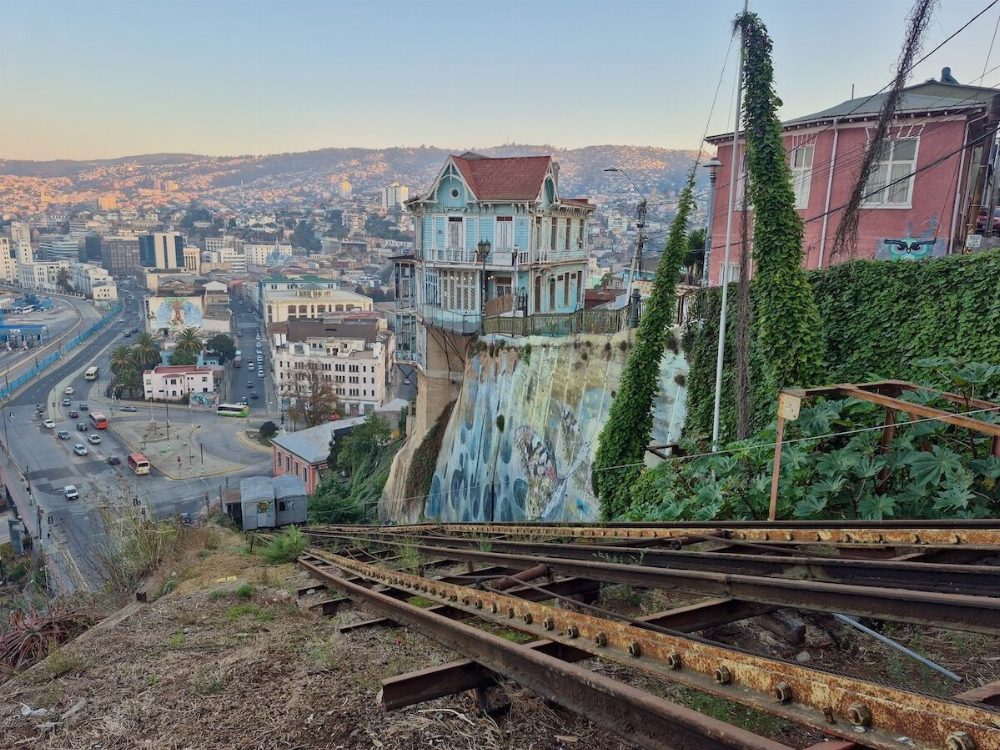
In the vibrant Chilean city of Valparaíso, the historic funicular railways, known locally as ascensores, have been integral to urban life since 1883. These steep, efficient transport systems not only connect the diverse hills of the city but also symbolize its artistic spirit. However, despite their significance, the future of these iconic railways hangs in the balance.
Pilar Espinoza Figueroa, president of Ascenval, the Association of Elevator Users in Valparaíso, emphasizes that these funiculars serve as more than just tourist attractions; they are vital for daily commuting, fostering community interactions, and supporting local economies. "The ascensores are essential for connecting hilly neighborhoods with the city’s commercial and educational hubs," she states, highlighting their role in reducing road traffic and preventing social isolation.
The origins of Valparaíso's funiculars trace back to the late 19th century when rapid port expansion created a need for efficient transport between the docks and the hillside homes of workers. Originally powered by steam or water, many of the over 30 funiculars that once operated in the city have transitioned to electric power. Yet, despite their historical significance, fewer than 10 of the 19 remaining funiculars are operational today, with many others falling into disrepair due to funding issues and lack of maintenance.
The decline of the ascensores began in the early 20th century, exacerbated by the opening of the Panama Canal and improvements in road infrastructure. Although Valparaíso's historic quarter was designated a UNESCO World Heritage site in 2003, this recognition has not translated into the restoration of the funiculars. Ascenval aims to bridge this gap, advocating for the preservation and revitalization of these essential transport systems.
Founded during the pandemic, Ascenval is a grassroots organization made up of community representatives committed to safeguarding the city’s funicular heritage. Ascenval’s board members, who include Figueroa and web developer Andrés Rodrigo Valenzuela Ormeño, actively lobby for restoration efforts, working closely with local authorities and public services to influence policy regarding the funiculars.
Ormeño, who has a personal connection to the ascensores, recalls using Ascensor El Peral during his childhood in Cerro Alegre. He notes the impact of limited transportation options on local communities, stating, "Mobility restrictions can harm local businesses and negatively affect mental health and community cohesion." Ascenval not only engages in advocacy but also organizes community events aimed at raising awareness about the funiculars’ plight.
With the goal of integrating tourism into the ascensores' future, Figueroa envisions community-based tourism that allows visitors to experience the rich local culture while respecting the residents. "Tourism can benefit Valparaíso, provided that visitors appreciate and care for the city," she says, stressing the need for a harmonious relationship between tourists and locals.
The operational ascensores, such as El Peral and Concepción, offer rides from 7:00 AM to 9:30 PM for a fee of 1,000 Chilean pesos (about 1 USD). While exploring Valparaíso, visitors are encouraged to discover the fascinating abandoned funiculars like Ascensor Polanco, which, although closed, showcases the city’s historical charm. The ascensores, serving both as public transport and tourist attractions, are a vital part of Valparaíso’s identity and must be preserved for future generations.
Source: matadornetwork.com
#ascensores #community #heritage #public transport #Valparaíso