Waymo's Robotaxis Face Resistance in Democratic States Amid Safety Concerns
By Editor • August 19, 2026 • 2 min read
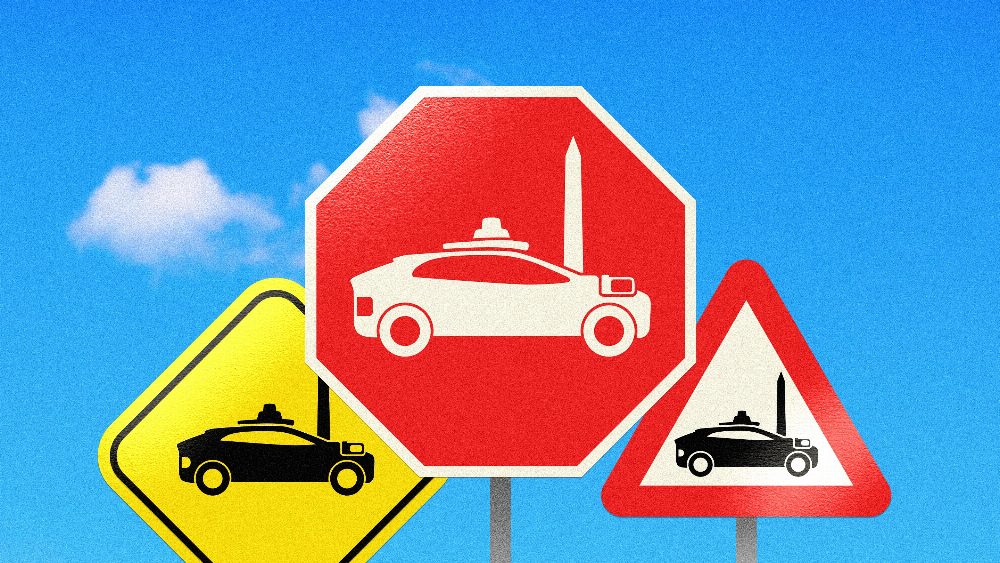
The advent of driverless technology is reshaping urban transport, yet its benefits remain unevenly distributed across the United States. Waymo, the leading name in self-driving robotaxis, operates in states such as California, Arizona, Florida, Georgia, Tennessee, and Texas, while blue states like Massachusetts and New York restrict these innovations. This disparity highlights a growing political struggle, where labor unions and anti-tech advocates in Democratic areas resist the entry of autonomous vehicles, citing safety issues and job losses.
In Washington, D.C., a push to allow Waymo vehicles to operate has sparked debate among residents. While some view the initiative as an opportunity for progress, others, like Bill Davis, president of the local Teamsters union, argue it primarily benefits affluent Silicon Valley entrepreneurs at the expense of middle-class drivers. The apprehension about self-driving cars often stems from fears of job displacement and concerns about road safety.
Despite such concerns, statistics suggest that Waymo vehicles could significantly reduce traffic fatalities and injuries. Currently, approximately 40,000 deaths occur annually due to car accidents in the U.S., with many more injuries reported daily. Research indicates that Waymo's vehicles are involved in far fewer serious accidents compared to their human counterparts, boasting a reported 68% decrease in police-reported crashes and an 81% reduction in injury-related incidents.
However, public perception remains clouded by negative anecdotes, such as a high-profile incident in Santa Monica where a Waymo vehicle struck a child. This incident, like others, feeds into the narrative that autonomous vehicles pose a danger. Yet, experts argue that such incidents are not representative of the overall safety profile of self-driving technology. A study by the Insurance Institute for Highway Safety compared Waymo's safety records with those of human drivers and found significant advantages for the robotaxis.
Waymo's safety claims are further validated by peer-reviewed research, even receiving endorsements from skeptics. One researcher stated that the reduction in accidents is unprecedented, likening it to the transformative impact of seat belts or airbags. However, the technology does have limitations, particularly in unpredictable scenarios where human judgment is crucial. Instances of Waymo vehicles freezing during power outages or encountering unexpected road closures raise questions about their reliability in emergencies.
Ultimately, the crux of the matter lies in the political and social implications of adopting this technology. The resistance from Democratic strongholds not only reflects a fear of change but also raises questions about the future of progressivism in America. As the debate over Waymo unfolds, it serves as a litmus test for whether progressive agendas can embrace technological advancements or whether they will continue to yield to the pressures of established interest groups.
Source: www.theatlantic.com