Yayoi Kusama: From Avant-Garde Pioneer to Commercial Juggernaut
By Editor • August 28, 2026 • 3 min read
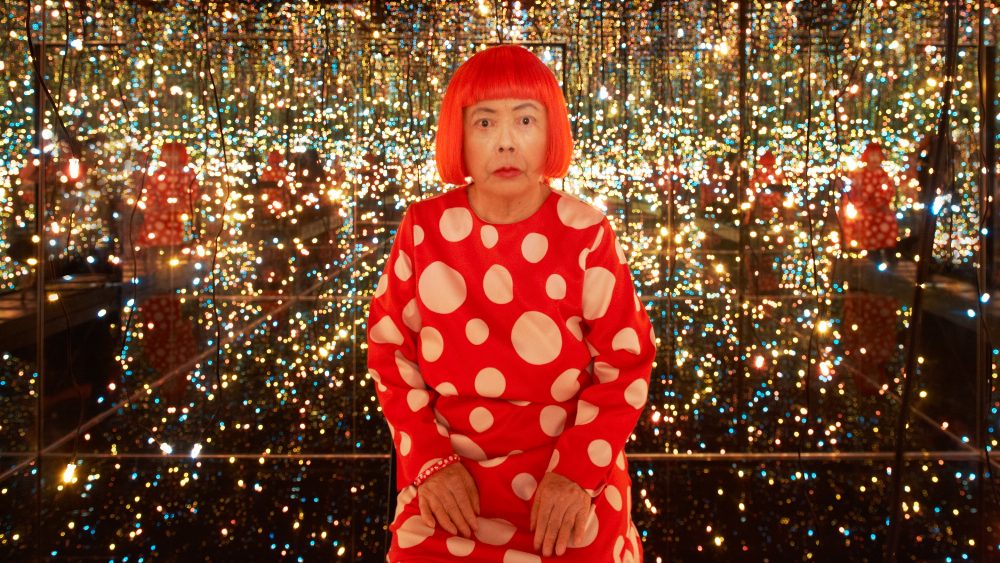
Yayoi Kusama’s journey from a radical artist to a globally recognized brand encapsulates the evolution of contemporary art itself. Her passing at the age of 97 marks not just the loss of a creative icon but also a poignant reflection on the state of the avant-garde, which she once epitomized.
Born in Japan, Kusama moved to New York in the late 1950s, where she quickly established herself as a pivotal figure in the realms of pop art and minimalism. Her early works, including the groundbreaking 'Infinity Nets,' showcased her unique approach to art that combined performance and painting. Kusama was not just creating art; she was engaging in a cultural dialogue, using her performances—where she painted dots on the bodies of her collaborators—as a form of protest against societal norms and the Vietnam War.
However, as her career progressed, Kusama transformed from a creative maverick into a highly commercialized entity. As her fame grew, so too did her commercial partnerships and global enterprise. Her large-scale installations and sculptures became crowd-pullers in galleries worldwide, smashing attendance records and fetching record prices at auctions. She became one of the top-selling contemporary artists, a far cry from her avant-garde roots.
Kusama's early works were charged with a countercultural energy, critiquing patriarchy and societal clichés. Her Accumulations series, featuring soft sculptures adorned with handsewn shapes, served as a humorous yet poignant commentary on male dominance in art. Yet, the vibrant energy of her earlier works seemed to dissipate as she became more entrenched in the commercial art world.
Her later years were marked by a successful resurgence that coincided with the rise of social media, turning her into an Instagram sensation. The public's fascination with her Infinity Mirror Rooms and whimsical spotted pumpkins redefined the art experience, making it accessible and engaging for a broader audience. This shift not only broadened her reach but also raised questions about the authenticity of her artistic expression amidst rampant commercialization.
Despite her commercial success, Kusama maintained a complex relationship with her mental health, which she openly discussed. Following a breakdown in the early 1970s, she became a resident of a psychiatric institution, where her experiences undoubtedly influenced her work. Kusama framed her struggles with mental illness as integral to her artistic expression, a narrative that resonated widely and perhaps enhanced her appeal. Her reflections on 'self-obliteration' resonated deeply, interpreted as both a personal journey and a universal desire to dissolve into something greater.
However, this narrative also paved the way for the commercialization of her art, culminating in high-profile collaborations with luxury brands like LVMH. This partnership marked a pivotal moment, propelling her work into the mainstream and transforming her art into a commodity stripped of its earlier avant-garde meaning. The once rebellious spirit of Kusama’s creations became intertwined with market principles, leading to a perception of her work as a product rather than a profound expression of artistic intent.
Today, Kusama’s legacy is a dual-edged sword. She is celebrated as one of the most influential artists of her time, yet her evolution from avant-garde pioneer to a commercial powerhouse raises critical questions about the nature of art in the contemporary landscape. As the art world grapples with these shifts, Kusama’s journey serves as both an inspiration and a cautionary tale about the balance between artistic integrity and commercial viability.
Source: www.theatlantic.com
#art #avant-garde #commercialization #performance art #Yayoi Kusama