A Look at the Transformation of Arby's Over the Years
By Editor • September 13, 2026 • 1 min read
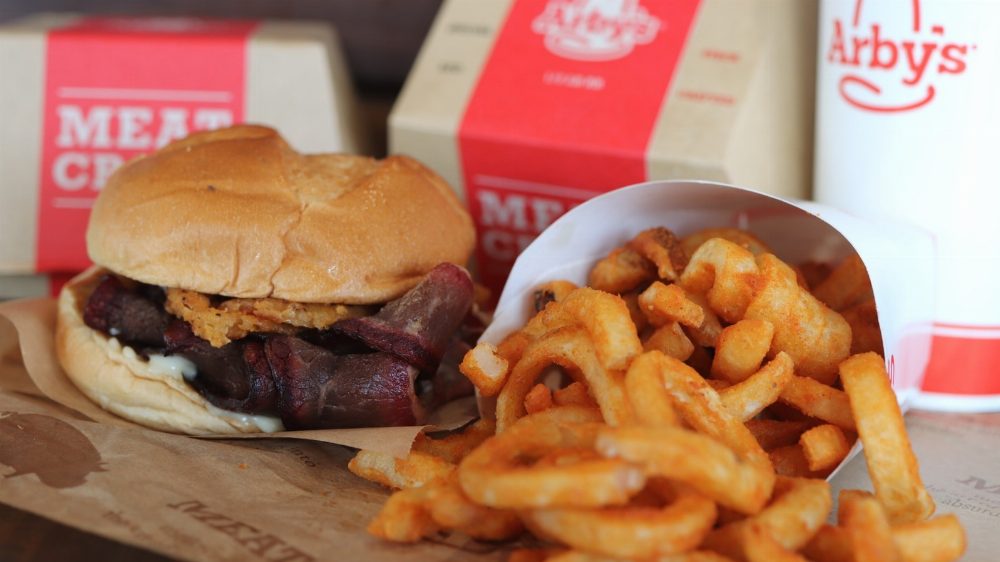
Arby’s, the fast-food chain known for its roast beef sandwiches, has undergone a significant transformation since its inception in 1964. While it may not have the same iconic status as competitors like McDonald's or Burger King, Arby’s has carved out a niche with its unique offerings and distinct brand identity.
From Upscale Beginnings
Founded by brothers Forrest and Leroy Raffel in Boardman, Ohio, Arby’s emerged in an era when fast-food giants were rapidly expanding across America. The Raffel brothers sought to differentiate their establishment by providing a more upscale fast-food experience. This ambitious vision was reflected not only in the menu—where a roast beef sandwich was priced at $0.69 compared to McDonald’s $0.15 hamburgers—but also in the restaurant's architecture, which featured sandstone walls and elegant curved ceilings with recessed lighting.
Whimsical Design Elements
In its early days, Arby’s was notable for its whimsical design elements. Many locations were crafted to resemble Conestoga covered wagons, evoking images of the Oregon Trail. These unique buildings were complemented by oversized neon signs shaped like cowboy hats, prominently proclaiming the deliciousness of their roast beef sandwiches. While these imaginative designs helped build brand recognition, they have largely vanished from the modern landscape of fast food.
The Modern Era of Arby's
Today, the majority of Arby’s locations have shifted to the more streamlined Inspire design, characterized by a compact, contemporary look featuring white brick exteriors and minimal signage. This transformation reflects a broader trend in the fast-food industry toward practicality and modern aesthetics. However, exceptions do exist, such as the world’s largest Arby’s located in Colonial Heights, Virginia, which maintains a unique presence amidst the chain's more standardized offerings.
Source: www.thetakeout.com