Australia's Climate Summit Faces Criticism Amid UN Warnings
By Editor • September 2, 2026 • 2 min read
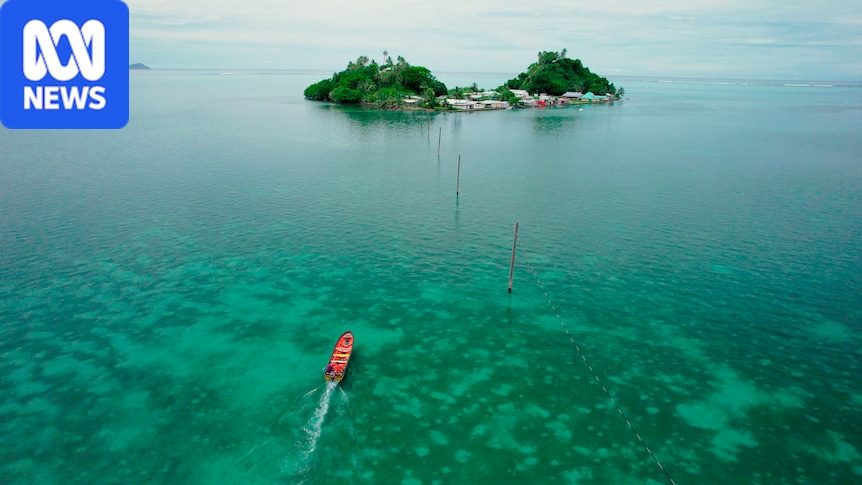
As Australia prepares for its upcoming pre-COP climate talks in Fiji and Tuvalu, the nation’s leaders are facing scrutiny over the event's anticipated attendance. This comes on the heels of a stark UN report indicating that the world is poised to exceed 1.5°C of warming within the next five years.
Prime Minister Anthony Albanese has responded to critics, asserting that the federal government had always expected a lower turnout for the pre-COP event compared to the main COP summit scheduled for November in Türkiye. The pre-COP will showcase the pressing climate risks facing Pacific Island nations, emphasizing Australia’s commitment to the region despite initial challenges in securing attendance from global leaders.
Fiji's Foreign Minister, Sakiasi Ditoka, provided the first public details about the confirmed attendees, including leaders from Antigua and Barbuda, Cabo Verde, Thailand, Maldives, and Timor-Leste, along with ministers from Germany, Mexico, and South Korea. Albanese noted the significance of holding the pre-COP in Fiji and Tuvalu, highlighting the need for respect towards Pacific leaders and their unique challenges posed by climate change.
Energy Minister Chris Bowen emphasized the event as a valuable opportunity for Pacific nations, even though the attending countries are not major polluters. He acknowledged Tuvalu's limited capacity to host an extensive gathering and underscored the importance of involving various leaders, including heads of multilateral development banks, at the pre-COP.
The UN report that has sparked this discussion warns that a 1.8°C rise in global temperatures is now the best-case scenario. The report reinforces the urgency of adhering to the Paris Agreement, which aims to keep temperature increases well below 2°C and strives to limit warming to 1.5°C. This target is critical, as crossing it could unleash significantly more severe climate impacts.
Despite the daunting projections, Climate Change Authority chair Matt Kean insists that every fraction of a degree matters in mitigating risks associated with climate change. He stressed the necessity for immediate action to limit global warming, citing potential economic and humanitarian consequences if emissions are not curtailed.
Vanuatu’s Climate Change Minister, Ralph Regenvanu, criticized Australia for not doing enough to reduce carbon emissions, particularly regarding ongoing fossil fuel exploration. He argued that Australia should halt future expansions in fossil fuel projects to effectively address climate challenges.
In defense, Prime Minister Albanese stated that Australia is held in high regard for its climate policies, emphasizing that the transition to renewable energy requires careful planning and implementation. He acknowledged that while the transition cannot happen overnight, it is essential for Australia to play its part in addressing climate change.
Source: www.abc.net.au
#Australia #climate change #COP summit #Pacific Islands #UN report