Decoding Coffee: Is It Friend or Foe for Your Gut Health?
By Editor • September 7, 2026 • 1 min read
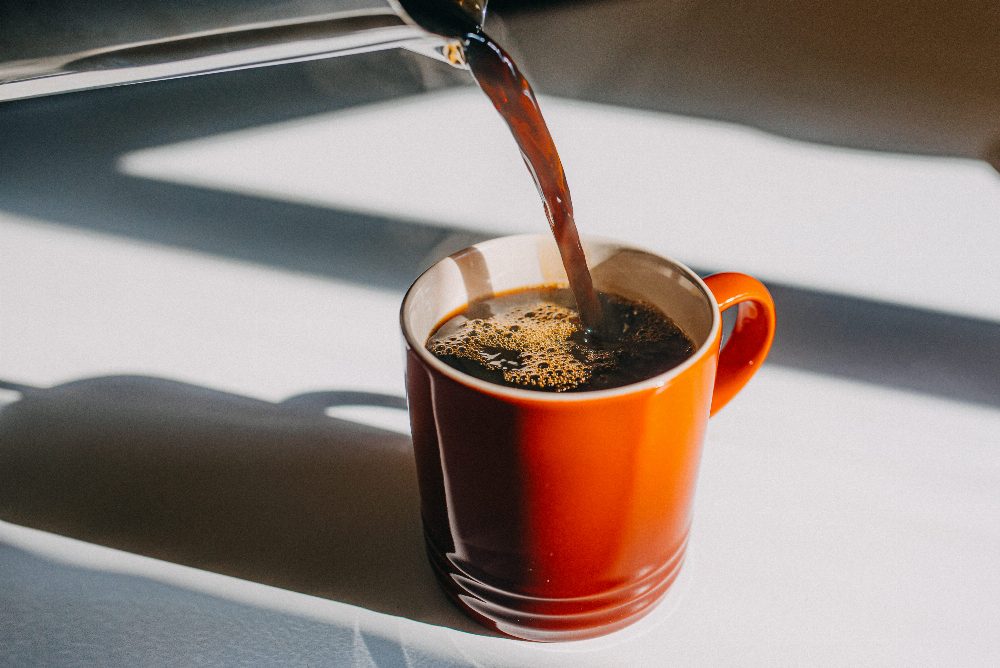
Coffee lovers often find themselves in a conundrum: Is their beloved morning brew helping or harming their digestive health? According to registered dietitian insights, the answer isn’t black and white. While coffee does offer some benefits for gut health, it also comes with potential downsides that individuals should be aware of.
Benefits of Coffee for Digestion
For many, the urge to rush to the restroom after a cup of coffee isn’t just a coincidence; it’s a real physiological response. Research indicates that coffee can enhance colonic motor activity, stimulating contractions that assist in digestion. Furthermore, coffee is packed with polyphenols and fiber-like compounds, which may serve as prebiotics, nourishing the beneficial bacteria in your gut. This could promote a diverse microbiome, a key indicator of good gut health.
Potential Drawbacks to Consider
However, coffee isn’t universally beneficial. Its acidity can relax the lower esophageal sphincter, leading to issues like heartburn or acid reflux, especially for individuals with gastroesophageal reflux disease (GERD). Additionally, some people with irritable bowel syndrome (IBS) may experience cramping or loose stools as a result of coffee’s stimulating effects.
Finding Your Coffee Balance
How you consume coffee can influence its impact on your gut. Pairing coffee with food might mitigate stomach discomfort, and experimenting with different types of coffee could lead to a more enjoyable experience. Reducing added sugars and heavy cream can also help maintain digestive comfort. Ultimately, moderation is key; staying within a limit of about 400 mg of caffeine daily—roughly two to three cups—is advisable for most adults. Listening to your body’s reactions to coffee is crucial, as what works for one person may not work for another.
Source: www.delish.com