Exploring Bears Ears: A Call to Action for Conservation and Community
By Editor • September 3, 2026 • 3 min read
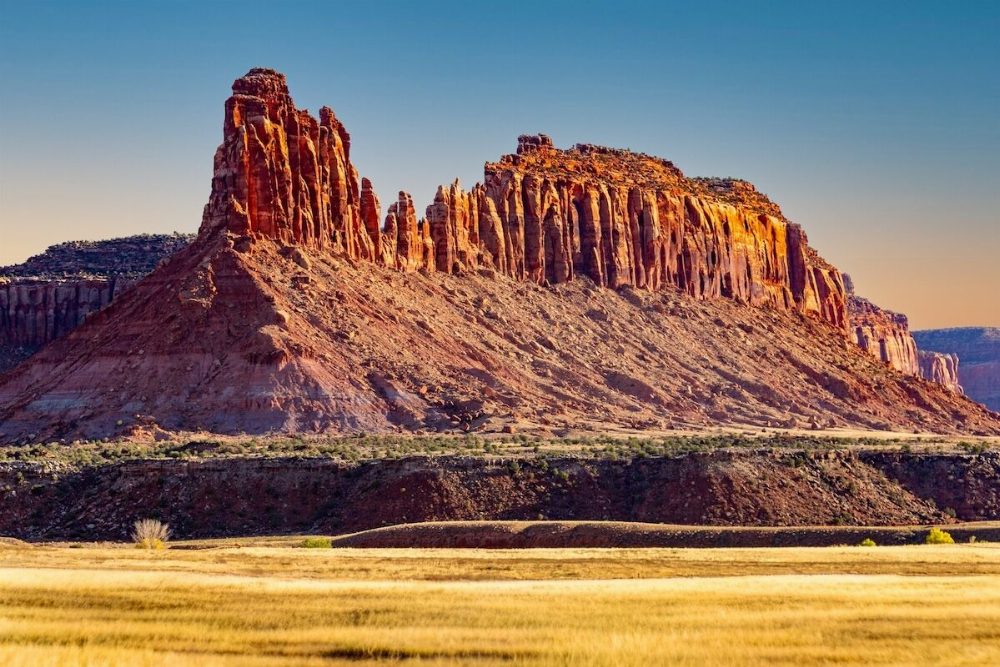
Moab, a vibrant hub for outdoor enthusiasts, attracts millions of visitors each year, with its stunning national parks and adventure activities. However, just an hour’s drive south, Monticello offers a quieter yet equally breathtaking experience, nestled beside the Bears Ears National Monument. Despite its natural beauty, San Juan County remains one of the poorest in the United States.
Ashley Korenblat, managing director of Public Land Solutions, emphasizes the importance of Bears Ears for the region's economy. She argues that increased tourism to the monument is crucial for fostering job growth and stabilizing the local economy, which has been heavily reliant on fluctuating extractive industries.
“Capturing just one-quarter of Moab's tourism potential could provide San Juan County with more jobs and increased financial output,” Korenblat stated. This fall presents an ideal opportunity for visitors to experience Bears Ears, especially as new challenges threaten its future.
On July 13, 2016, President Trump dramatically reduced the size of Bears Ears National Monument from approximately 1.36 million acres to just 121,096 acres, marking a 91% decrease in protected land. This decision also dissolved the Bears Ears Commission, which had included tribal representatives overseeing the monument with the Bureau of Land Management (BLM) and the U.S. Forest Service. The land no longer protected will soon be open to mineral leasing and mining claims, igniting legal battles over these proposed changes.
Korenblat, drawing from her experience as a former Wall Street trader and a leader in sustainable tourism, believes that outdoor recreation can drive economic growth in San Juan County. Five Native American tribes regard Bears Ears as sacred, each with its own name for the landscape, representing a shared cultural heritage that spans thousands of years. As Korenblat notes, this region is not just a natural wonder but also a historical refuge for both Native peoples and Mormon settlers.
The inception of Bears Ears National Monument was a landmark moment in conservation, catalyzed by a coalition of tribes advocating for its protection. However, the monument's boundaries have faced significant reductions under different administrations. After President Biden's restoration of some protections in 2021, the area has once again been compromised by recent policy shifts aimed at opening it up for resource extraction.
As the landscape’s future hangs in the balance, Korenblat warns of potential changes to leasing rules that could jeopardize the region's integrity. Speculative leasing allows companies to claim public land for oil and gas without a genuine plan for development, leading to long-term uncertainties for local investments. She explains, “You can build a trail on top of them, but then you kind of live in fear.”
Moreover, the BLM's recent proposals to lower bonding requirements for drilling operations raise concerns about environmental responsibility. Korenblat highlights that the costs associated with capping and remediating wells can average around $75,000, while the cost of drilling can soar to $10 million. Lowering bonding amounts could encourage irresponsible practices, leaving the community to bear the burden of abandoned sites.
The local community is increasingly aware of these threats, with residents of San Juan County expressing apprehension over the prospect of overtourism similar to that experienced in Moab. As advocates call for greater protection of Bears Ears, Korenblat and others emphasize the need for visitors to experience the monument’s beauty firsthand. This fall could be pivotal in rallying support for its preservation and ensuring economic sustainability for Monticello and its surroundings.
Source: matadornetwork.com
#Ashley Korenblat #Bears Ears #conservation #Public Land Solutions #San Juan County #tourism