Fashion Industry Faces Traceability Challenges Amid Growing Regulatory Demands
By Editor • September 8, 2026 • 2 min read
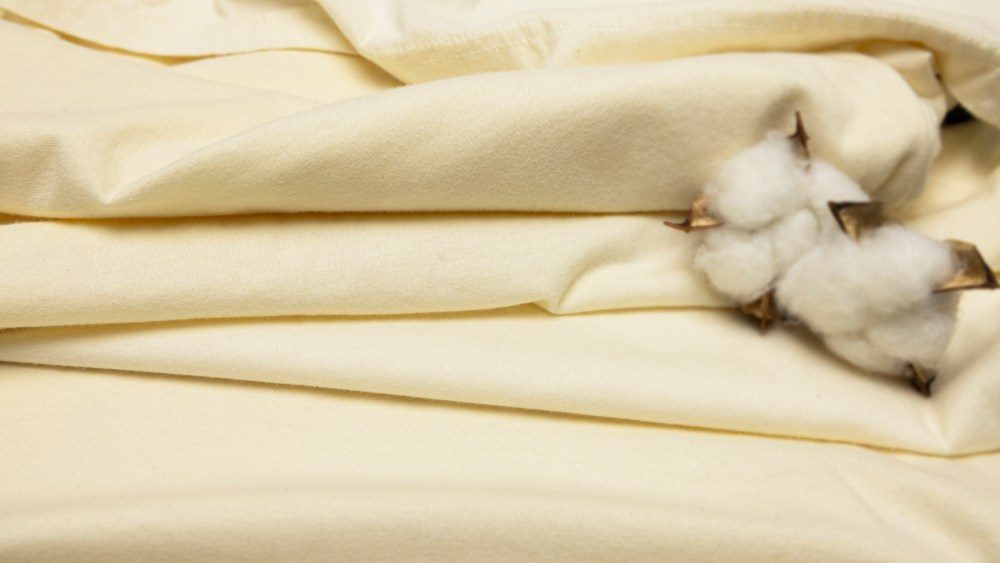
As the fashion sector grapples with increasing scrutiny over supply chain practices, many companies are turning to traceability solutions. Despite a surge in adoption—87% of U.S. firms and 94% of UK companies now have some traceability system—serious gaps in these systems are raising concerns about the integrity of sourcing.
Recent analysis from Oritain reveals a troubling trend: the percentage of brands using prohibited cotton has skyrocketed from 64% to 90% between 2024 and 2025. This alarming increase highlights the inadequacies of current traceability methods, which often rely on self-reported data and certificates that may not provide independent verification. Gemma Lynch, Oritain's chief customer officer, emphasizes that while the industry has scaled its traceability efforts, the pace of verification has not kept up, leaving brands vulnerable to risks.
To navigate evolving regulations like the Uyghur Forced Labor Prevention Act (UFLPA), many companies are diversifying their sourcing strategies. However, simply shifting geographical locations does not eliminate underlying risks, as raw materials often flow through complex, interconnected networks. Lynch notes that increased complexity can allow for prohibited materials to enter supply chains without brands' knowledge. With new regulations tightening compliance measures, the push for transparency and accountability in supply chains has never been more crucial.
Provenance as a Key to Compliance
In a landscape where compliance goes beyond mere paperwork, Oritain argues that companies need robust systems that demonstrate transparency across various jurisdictions. Lynch states that businesses must shift from reactive compliance to proactive management, ensuring they have objective evidence to support their claims. This proactive approach is essential for maintaining brand reputation, especially as consumers increasingly demand ethical sourcing.
Case Study: Next Level Apparel's Commitment to Transparency
Next Level Apparel exemplifies a company taking a forward-thinking approach to supply chain verification. By collaborating with Oritain to implement forensic origin verification, the apparel firm has enhanced its visibility into its supply chain, ensuring it can trace materials back to their sources. With monthly analyses of fabric production and an emphasis on supplier engagement, Next Level Apparel aims to build a culture of compliance and accountability.
Marissa Garcia, the company's director of responsible business, stresses the importance of maintaining rigorous checks to prevent complacency among suppliers. “We want to send a very clear message that cutting corners is unacceptable,” she asserts. This commitment to integrity, coupled with Oritain's scientific approach, allows them to effectively manage and address risks in their supply chain.
Source: wwd.com
#compliance #Next Level Apparel #Oritain #supply chain #traceability