From Satire to Screen: Michaël R. Roskam's Cinematic Take on WWII Press Prank
By Editor • September 13, 2026 • 2 min read
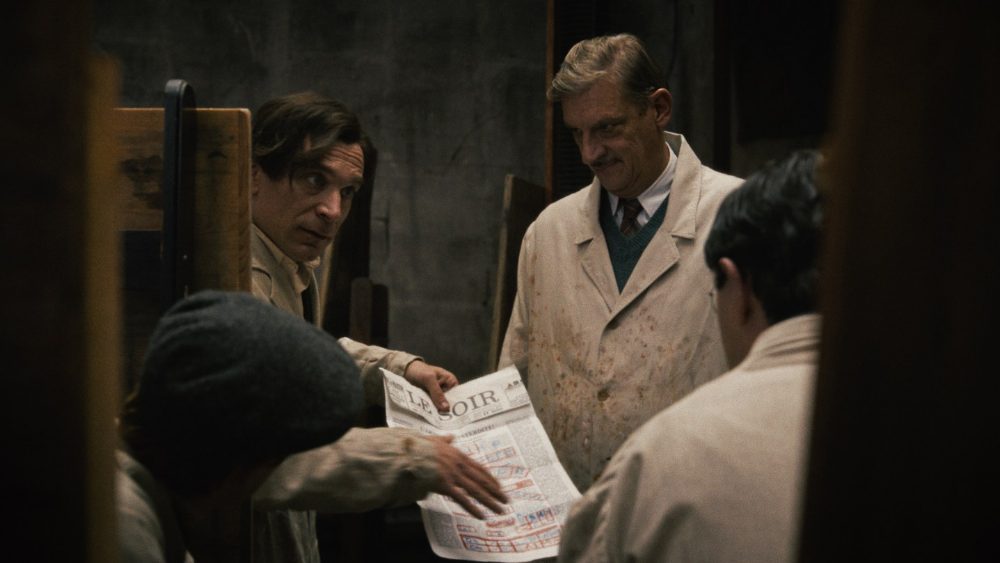
In a remarkable blend of history and humor, Belgian director Michaël R. Roskam has transformed a little-known WWII prank into a captivating heist film. His latest project, Le Faux Soir, brings to life the audacious act of Belgian journalists who, in 1943, intercepted a Nazi-controlled newspaper and replaced it with a satirical counterfeit to mock their occupiers.
Roskam, well-known for films such as Bullhead and The Drop, describes Le Faux Soir as akin to Ocean’s Eleven but with a newspaper at the center of the caper. The film features a talented ensemble cast from Belgium and France, aiming to balance humor with a poignant message about resistance through satire.
From Prank to Script
The inspiration for the film came from Roskam's co-writer, Bernard Falaise, who stumbled upon the story during a film studies course. The significance of the narrative struck a chord with Falaise, especially in the wake of the tragic Charlie Hebdo attacks in Paris, which underscored the dangers faced by satirists. He pitched the idea to Roskam, leading to a collaborative effort that would ultimately bring the story to the big screen.
Initially, Falaise's script captured the essence of the story, but Roskam saw a different vision. Together, they crafted a screenplay that retained the humor of the original satire while focusing on the tension of its execution. Roskam emphasized the importance of casting actors who could deliver humor without veering into outright comedy, ensuring the film maintained its serious undertones.
The Art of Satire and Resistance
Roskam’s approach to filmmaking involves thorough research, and for Le Faux Soir, this meant diving deep into the mechanics of 1940s printing technology. He engaged with historians and enthusiasts to understand the intricacies of newspaper production during that era. The director's fascination with linotype machines and manual printing processes reflects a commitment to authenticity that he believes is essential to the storytelling.
In the context of today’s media landscape, Roskam draws parallels between the historical act of satire and current struggles against misinformation. He hopes that audiences will recognize the timeless nature of satire as a form of resistance, echoing a sentiment expressed by one of the characters in the film: "Why do the Nazis burn books? Because words are weapons." The film serves not only as entertainment but as a reminder of the power of words in the fight against authoritarianism.
Source: www.hollywoodreporter.com