Gloria Steinem: A Life of Duality in Feminism
By Editor • September 3, 2026 • 3 min read
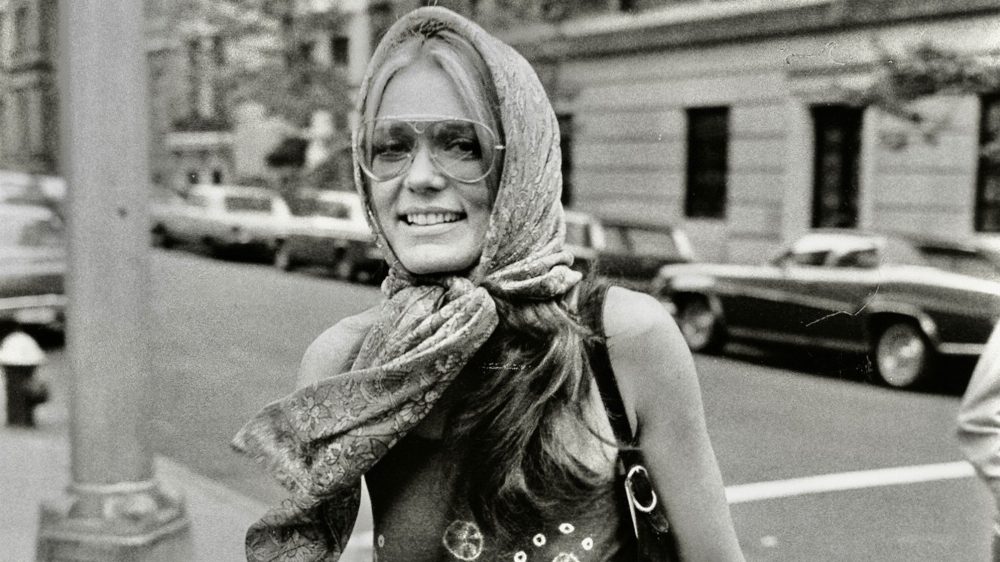
Gloria Steinem, the iconic co-founder of Ms. magazine and a pivotal figure in the feminist movement, led a life marked by contrasting identities. Publicly, she embodied the glamorous face of second-wave feminism, while privately, she struggled with self-doubt and shied away from the spotlight. Steinem passed away yesterday at the age of 92, leaving behind a legacy rooted in her belief that every woman deserves equal opportunities.
Steinem's awakening to feminism came around her 35th birthday in 1969, during her tenure as a journalist at New York magazine when she covered an abortion-rights event in Greenwich Village. The startling statistic that one in three American women had undergone an abortion resonated deeply with her, especially as she had experienced the procedure herself a decade earlier. In her memoir, "My Life on the Road," she reflected on this moment as a transformative realization of her silenced voice.
In her early writings, Steinem championed the necessity of an inclusive feminist movement. While the feminist narrative of the 1960s often centered on the grievances of middle-class white women, Steinem recognized the voices of Black feminists and domestic workers as equally vital. Her 1969 article, "After Black Power, Women’s Liberation," underscored the importance of forging alliances across diverse backgrounds to create a more effective movement.
Steinem’s own upbringing played a significant role in shaping her perspective. Raised by a mother who struggled with mental health issues, Steinem witnessed firsthand the inequalities women faced. She often credited her mother, Ruth, a journalist, as a source of inspiration. Despite her difficult childhood, Steinem did not blame her mother; instead, she viewed her experiences as evidence of the systemic challenges confronting women.
As she gained recognition, Steinem became an advocate for collaborative activism. Her partnership with Dorothy Pitman Hughes highlighted the power of intersectionality, as they discovered that a white woman and a Black woman together could draw a more diverse audience than either could alone. Steinem's friendships with notable activists like Florynce Kennedy and bell hooks solidified her role within the feminist community.
In 1971, Steinem and a group of writers launched Ms. magazine, initially as a 40-page insert in New York. The idea arose from frustrations within the movement over the lack of coverage for women's issues in mainstream media. The magazine quickly gained traction, selling out its first issue in just eight days. It featured bold articles on feminist themes and a groundbreaking statement from 53 women, including Steinem, declaring their experiences with abortion.
Despite its success, Ms. magazine faced criticism. Steinem's high-profile status drew both admiration and ire, as some feminists viewed her as too mainstream. Her past undercover work at the Playboy Club, where she exposed the exploitative conditions faced by women, also led to perceptions of her as superficial. Steinem's attempts to fundraise for the magazine, coupled with her enigmatic presence, further fueled detractors, who took issue with her glamorous image and public persona.
Throughout her life, Steinem navigated the complexities of her dual identity—one that was both a celebrated figure and a private individual grappling with insecurities. Her unwavering belief in the potential for a united feminist movement to enact change remains a cornerstone of her legacy. As we reflect on her contributions, it is clear that Gloria Steinem's impact on feminism and society at large will continue to resonate for generations to come.
Source: www.theatlantic.com
#activism #feminism #Gloria Steinem #Ms. Magazine #women's rights