Is Your Water Ruining Your Sourdough? Experts Weigh In
By Editor • September 12, 2026 • 1 min read
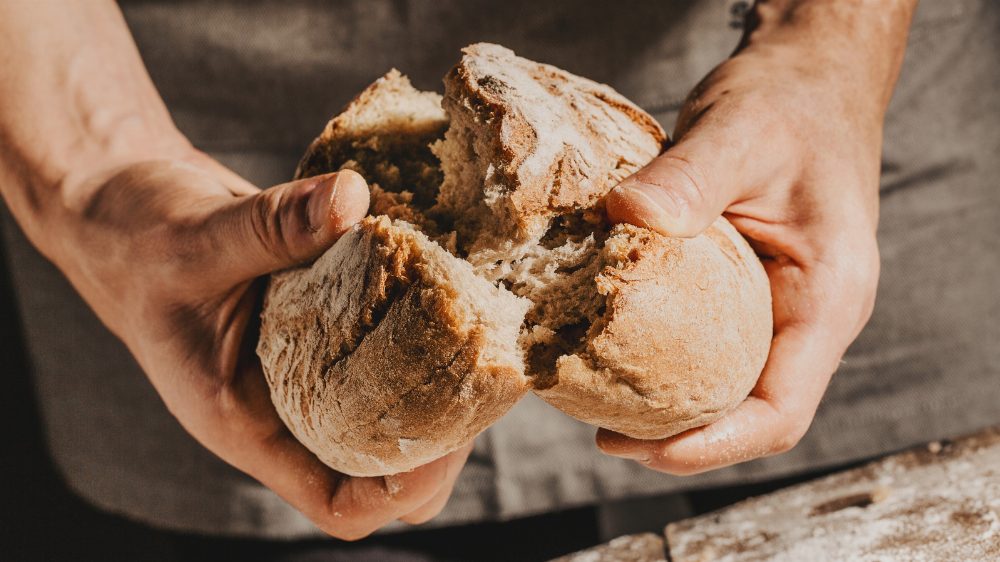
As the sourdough craze continues to rise, many home bakers find themselves struggling to achieve the perfect crusty loaf. Surprisingly, the culprit might be something as simple as the water they’re using.
The Impact of Chlorine
According to Hannah Dela Cruz, founder of Make It Dough and author of "Sourdough Every Day," the chlorine levels in tap water can significantly impact the health of your sourdough starter. While most tap water is generally acceptable for maintaining a starter, a noticeable chlorine smell could hinder its activity. Dela Cruz suggests using an activated-carbon filter, which effectively reduces chlorine, or opting for filtered water if you're concerned about your tap water's quality.
Mineral Content Matters
Not only does chlorine pose a threat, but the mineral content in your water can also play a role in your baking success. Water devoid of minerals, such as distilled or reverse osmosis water, may not support a healthy starter. Conversely, water that is overly hard can disrupt the beneficial microbes in your starter. Dela Cruz recommends using non-chlorinated tap or bottled water that retains some minerals for optimal results.
Temperature Troubles
In addition to water quality, the temperature of your water can greatly affect fermentation rates. Cold water can slow down microbial activity, leading to a more complex flavor, while excessively hot water can kill the essential yeast and bacteria needed for a robust starter. For best results, aim for room temperature water between 75 to 82 degrees Fahrenheit when feeding your starter.
Source: www.thetakeout.com
#baking tips #Hannah Dela Cruz #sourdough #starter health #water quality