Mastering the Art of Japanese Hot Pot: Tips from Chef Kevin Lee
By Editor • September 9, 2026 • 2 min read
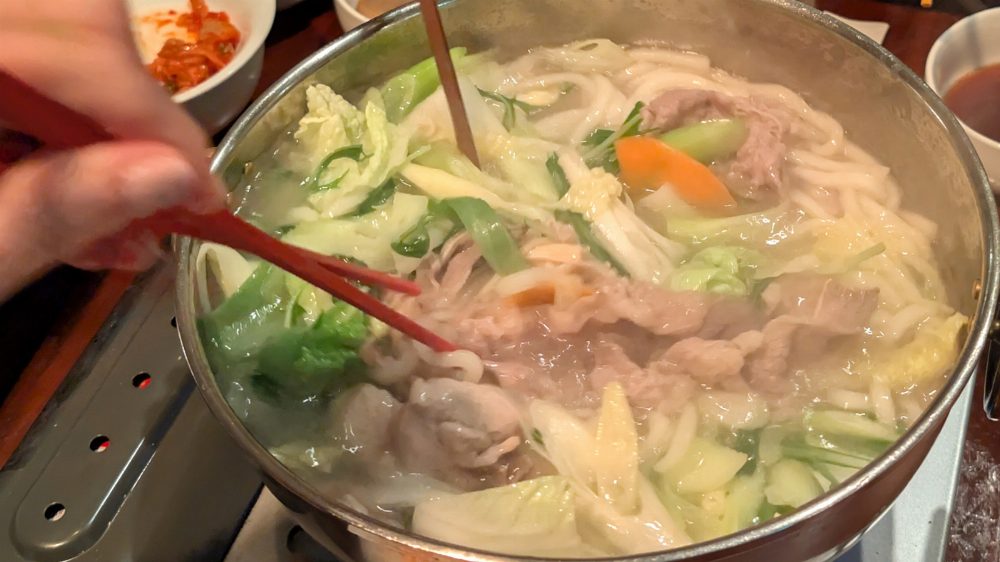
Embarking on a journey into the world of Japanese hot pot, or shabu-shabu, can be a delightful culinary experience. With the right knowledge and equipment, you can savor the delicate flavors of thinly sliced meats and fresh vegetables cooked in a savory broth, all while enjoying a communal meal with friends and family. Chef Kevin Lee, a champion from the Food Network and a James Beard Award semifinalist, shares essential tips on how to navigate this delicious dining adventure.
Essential Equipment for Hot Pot Success
To create an authentic hot pot experience at home, investing in a few key pieces of equipment is crucial. The centerpiece is a nabe, a large pot traditionally made from earthenware clay, which heats the broth evenly. A portable burner or hot plate is also necessary for a tableside cooking experience. If dining out, many Japanese restaurants feature built-in induction cooktops for your convenience. Additionally, having metal tongs, chopsticks, and small bowls for dipping sauces will enhance your meal and help maintain hygiene.
Crafting the Perfect Broth
The broth is the heart of any hot pot, and Chef Lee recommends a simple kombu dashi for its clean flavor and umami richness. This broth is typically made from dried mushrooms, kombu, and bonito flakes. For those seeking a spicy kick, adding kimchi or chili oil can elevate the taste. As ingredients are cooked, the broth absorbs their flavors, creating a rich and savory stock by the meal's end. Remember to start with a boil, then simmer to ensure your ingredients cook perfectly without becoming mushy.
Enjoying the Hot Pot Experience
One of the joys of hot pot is the communal experience it fosters. Chef Lee suggests taking your time, cooking ingredients gradually, and enjoying each bite. Be mindful of the temperature by adding ingredients gradually to avoid dropping the broth's heat. As you dip cooked items into flavorful sauces—ranging from soy sauce to sesame paste—you can customize your taste with each bite. Traditional hot pot vegetables like napa cabbage, mushrooms, and snow peas not only add flavor but also enhance the meal's visual appeal.
Source: www.thetakeout.com
#Chef Kevin Lee #cooking tips #dining experience #Japanese hot pot #shabu-shabu