NATO and EU Leaders Unite Against Russian Aggression Following Leipzig Drone Incident
By Editor • September 2, 2026 • 2 min read
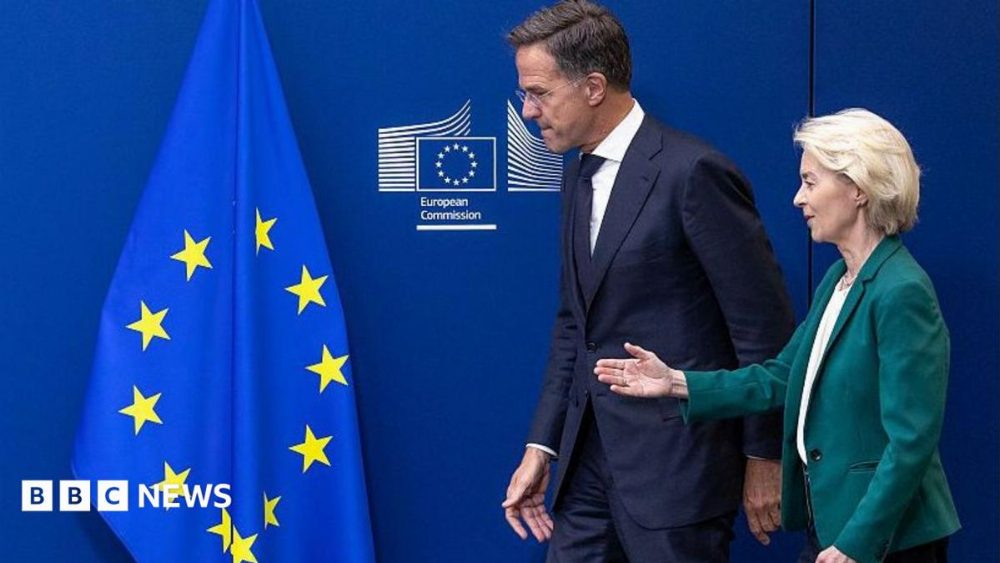
In a stark warning to Russia, NATO Secretary General Mark Rutte and European Commission President Ursula von der Leyen have condemned recent aggressive actions on European soil, suggesting that the continent is facing a 'new normal' of heightened threats. Their comments followed Germany's attribution of a failed drone attack to Russian operatives at Leipzig airport last month, signaling a concerning escalation of hostilities.
"Leipzig marks a new escalation on European Union soil directly attributed to Russia," von der Leyen stated, emphasizing the need for a robust and swift response to such recklessness. She reiterated that NATO stands firmly in solidarity with Germany, highlighting the alliance's commitment to countering these threats.
The drone incident, which occurred on August 4, involved explosives targeting a Ukrainian cargo plane. A robot was deployed to defuse one drone, while another reportedly collided with a cargo aircraft. A subsequent drone was discovered ten days later, intensifying concerns given Leipzig's significance as a NATO hub frequently used by Ukrainian transport aircraft.
German officials announced that police investigations confirmed the Russian involvement, with the interior minister detailing that the drone's characteristics matched previous Russian hybrid operations. Two suspects have been identified, including individuals with ties to Belarus and Latvia.
In response, Germany revealed plans to shutter the Russian consulate in Bonn and the Russian House, a cultural institution in Berlin accused of promoting Kremlin propaganda. The Russian government has dismissed Germany's claims as baseless and threatened reciprocal measures, with Deputy Foreign Minister Alexander Grushko hinting at a potential diplomatic severance.
While some critics in Germany argue that the response lacks sufficient strength, officials are pushing for a coordinated approach with allies to implement extended sanctions and entry restrictions on Russian nationals across the EU. Von der Leyen made it clear that the materials used in the Leipzig attack were military-grade and part of a troubling trend of dangerous actions by Russia.
As discussions unfolded in Brussels, EU foreign ministers met in Ireland, where they contemplated further actions against Russia's clandestine operations, particularly concerning its so-called 'shadow fleet' used for bypassing sanctions. Lithuania's Foreign Minister expressed concern over Russia's perceived lack of political cost for its aggressive maneuvers.
Rutte highlighted the escalating risks posed by drones and missiles to European territories, citing various incidents, including sabotage against critical infrastructure. Recent reports of attacks on electricity substations in Germany further emphasize the urgent need for vigilance. Authorities are investigating potential foreign state involvement in these attacks, as well as the possibility of left-wing extremism.
In a broader context, von der Leyen affirmed that sanctions have been effective in deterring Russian aggression, and EU ministers are deliberating on strategies to further diminish Russia’s financial capabilities. The EU has already committed €90 billion to Ukraine, with ongoing discussions about additional military aid, including advanced air defense systems. She assured that both the EU and NATO would not relent in their pressure on Moscow until the violence against Ukraine ceases.
Source: www.bbc.co.uk